Custom structural engineering, FSC-certified paperboard, low-carbon corrugated boxes, and luxury rigid packaging options available at wholesale minimum order quantities.

As the capital of Aichi Prefecture and the economic beating heart of Japan’s Chubu region, Nagoya represents one of the world's most sophisticated manufacturing and retail ecosystems. From precision automotive assembly lines across Toyota City and Kariya to high-end department stores along the Sakae and Meieki retail corridors, the requirement for world-class, environmentally compliant packaging has reached a critical inflection point.
Japanese consumer expectations for unboxing experiences are famously stringent, demanding zero structural defects, flawless edge finishing, and crisp tactile presentation. Concurrently, strict environmental mandates—such as Japan’s Act on Promotion of Resource Circulation for Plastics—are pushing enterprises in Nagoya to completely purge expanded polystyrene (EPS) and single-use plastics from their supply chains. Sourcing eco-friendly paper, corrugated board, and rigid card structures directly from specialized OEM factories in China provides Nagoya-based procurement leaders with an unassailable strategic advantage: cutting packaging unit costs by 30% to 55% while fully adhering to Japanese ESG and carbon-reduction compliance standards.
Navigating the Japanese market requires strict adherence to localized sustainability metrics. Nagoya's municipal push toward carbon neutrality by 2050 has placed direct accountability on importers and brands to reduce their Scope 3 upstream emissions. Sourcing eco-packaging requires verifying the complete lifecycle of paper substrates:
China's top packaging exporters have transitioned to automated, low-carbon manufacturing lines. By partnering with direct OEM factories, Nagoya buyers gain access to mono-material corrugated builds that comply with JIS (Japanese Industrial Standards) testing for burst strength and edge crush (ECT), without paying regional distributor premiums in Japan.
Optimizing packaging for cross-border transit from South/East China ports to the Port of Nagoya requires balancing structural resilience against volumetric weight tariffs. Below is a material specification breakdown for high-performance packaging:
| Packaging Category | Core Material Substrate | Structural Flute / Caliper | Primary Local Application in Nagoya | Sustainability Certification |
|---|---|---|---|---|
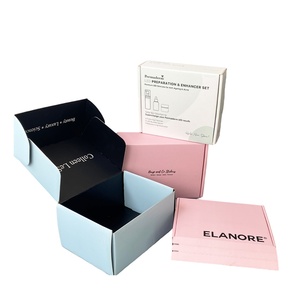
| E-Commerce Mailers | High-Strength Kraft Linerboard | E-Flute (1.5mm) / B-Flute (3.0mm) | Nagoya Direct-to-Consumer (D2C) Brands & Cross-Border Retail | 100% Recyclable / FSC Mix |
| Precision Industrial Boxes | Heavy Corrugated Board | Single-Wall C-Flute or Double-Wall BC | Automotive Parts & Mechatronics (Toyota/Denso Supplier Tier) | JIS Z 1516 Compliant / Heavy Duty |
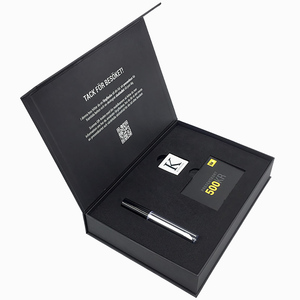
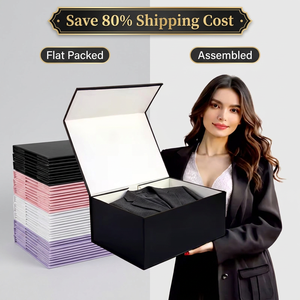
| Luxury PR & Gift Rigid Boxes | FSC Recyclable Greyboard | 1.2mm – 2.5mm Rigid Chipboard | Osu & Sakae Luxury Apparel, Electronics & Executive Gifting | Plastic-Free / Biodegradable Inserts |
| Confectionery & Food Packaging | Food-Grade Virgin SBS Board | 14pt – 24pt Caliper Cardboard | Nagoya Wagashi (Local Sweets), Sake & Food Gift Sets | JFSL (Japan Food Sanitation Law) Safe |
Tailored packaging engineering aligned with the unique commercial needs of Aichi Prefecture’s leading economic sectors.
Aichi Prefecture is world-renowned for automotive engineering. OEM suppliers in Toyota City, Kariya, and Komaki require high-ECT corrugated shipping cartons, anti-static paper inserts, and custom heavy-duty slotted boxes to transport precision sensors, bearings, and interior components without damage or plastic foam waste.
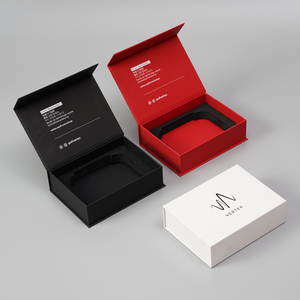
Nagoya’s rich culinary heritage (including famous regional souvenirs, Uirou, and local craft sake) demands exquisite packaging presentation. Custom rigid gift packaging featuring intricate gold foil stamping, debossed family crests/logos, and molded paper-pulp trays elevate brand prestige in JR Nagoya Takashimaya and Sakae department stores.
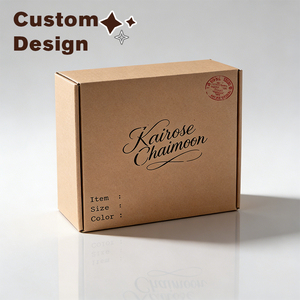
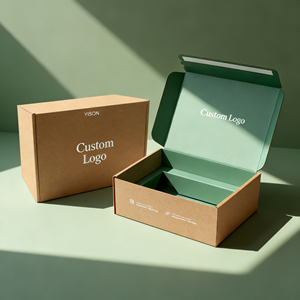
E-commerce merchants shipping out of fulfillment centers around Nagoya Port benefit from custom self-sealing mailer boxes. Featuring internal graphic printing for high-impact consumer unboxing and integrated double-adhesive tear strips for quick customer returns, these boxes streamline logisitics while eliminating plastic tape.
Unmatched production scaling, rigorous quality control, and direct-to-port logistics engineered for Japanese business excellence.
Unlike traditional packaging conglomerates demanding 5,000-unit minimums, our flexible automated production lines accommodate low-volume initial runs (starting at just 50 to 100 units). This enables Nagoya startups and specialized industrial exporters to validate box designs and perform market testing without committing capital to excessive inventory.
Every batch produced undergoes rigorous testing protocols prior to shipping: 100% dimensional accuracy verification against CAD dielines, ink adhesion cross-hatch tests, bursting strength tests (JIS Z 1512), and moisture level optimization (below 8% relative humidity) to prevent warping during transit across the East China Sea.
Our experienced structural engineering team provides complimentary digital dieline creation and 3D rendering within 24 hours. Physical structural pre-production samples can be manufactured and air-expressed to Nagoya within 3 to 5 business days, guaranteeing absolute fit and peace of mind before full-scale manufacturing.
We manage complete door-to-door (DDP) logistics, export customs clearance, and maritime shipping directly to the Port of Nagoya, as well as air freight via Chubu Centrair International Airport (NGO). All Japanese import documentation, including customs duty filings and tax clearance, is handled seamlessly.
The packaging landscape in Central Japan is undergoing a rapid evolution driven by changing consumer demographics, carbon tax legislation, and digital supply chain integration. Enterprise buyers operating in Nagoya must align their packaging strategies with three foundational trends:
Multi-material packaging—such as paperboard glued to thick plastic windows or non-separable foam cushions—faces severe consumer backlash in Japan due to the laborious sorting required for local municipal recycling. The trend is shifting overwhelmingly toward mono-material paper constructions, where corrugated dividers, paper-pulp cradles, and glassine paper windows replace synthetic plastics entirely.
With domestic courier rates in Japan rising (Yamato Transport, Sagawa Express, and Japan Post enforcing strict package dimension tiers), over-packaging incurs double penalties: high material costs and elevated shipping tariffs. Modern box designs utilize custom CNC-cut internal dielines that snugly fit product contours, reducing total carton volume by up to 30% and eliminating the need for plastic bubble wrap fill.
In accordance with Japanese visual culture, packaging for Nagoya's retail market emphasizes clean lines, subtle matte finishes, earth-tone kraft textures, and high-precision foil embossing. The exterior design serves as a silent brand ambassador, signaling premium quality, environmental responsibility, and meticulous attention to detail.
Everything you need to know about sea freight lead times, Japanese import compliance, custom samples, and bulk pricing.
Partner directly with China's leading eco-friendly packaging manufacturer. Receive a detailed competitive quotation, structural dieline consultation, and sample verification within 24 hours.
Contact Us