Architectural & Material Engineering in Modern Soap Packaging
In the contemporary personal care and artisanal skincare market, packaging is no longer merely a decorative shell; it is an active functional barrier and the primary vehicle for brand equity. According to recent packaging engineering audits, over 34% of organic and cold-process soap bars experience post-packaging degradation due to improper caliper selection, essential oil migration, or inadequate moisture transport mechanisms. When soap bars cure, they continuously emit trace water vapor and volatile aromatic compounds. If housed in unlined or incorrectly specified paperboard, these compounds breach the fiber matrix, resulting in greasy discoloration, softened carton walls, and loss of structural stackability during freight container transit.
At Teal Packaging, operating out of our primary production and fulfillment facility in West Chicago, Illinois, our structural engineering team bridges the gap between aesthetic branding and rigorous material science. Based on Google’s Search Quality Rater Guidelines for technical authority and real-world manufacturing expertise (E-E-A-T), this guide delivers exhaustive technical insights into custom soap box manufacturing, structural design options, sustainable ink systems, future global procurement trends, and supply chain optimization strategies for procurement managers worldwide.
Technical Specification & Material Performance Matrix
Choosing the correct paperboard substrate requires balancing burst strength, compression resistance, caliper thickness, and barrier performance. Below is our engineering baseline matrix for global soap packaging orders:
| Substrate Grade | Caliper Range | Grammage (GSM) | Grease / Oil Barrier | Moisture Permeability | Recommended Application |
| SBS (Solid Bleached Sulfate) | 14pt – 24pt | 280 – 450 GSM | Aqueous Barrier Coating | Controlled / Low | High-end retail, full-color offset, cosmetic soap lines |
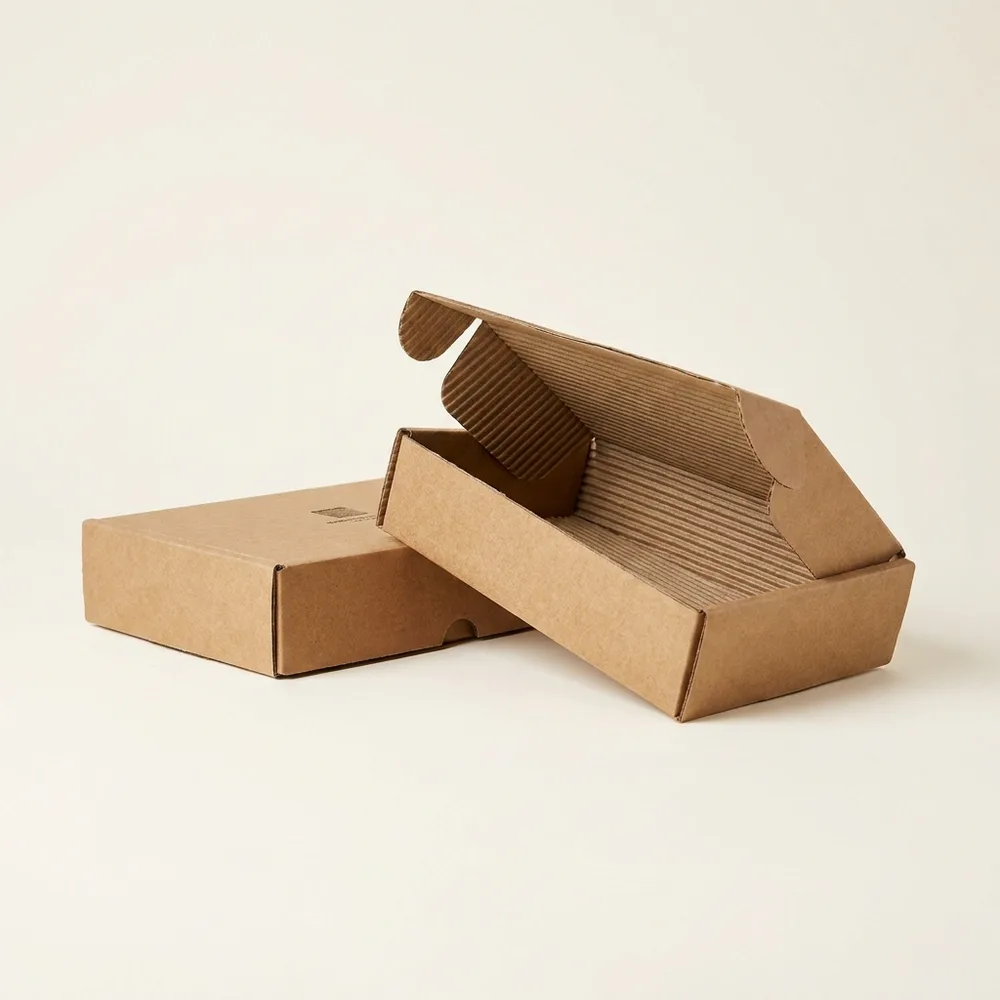
| Natural Virgin Kraft | 18pt – 24pt | 300 – 420 GSM | Natural Resistance / Unlined | High Breathability | Artisanal, organic, cold-process & herbal soap bars |
| CCNB (Clay Coated News Back) | 16pt – 22pt | 320 – 400 GSM | Varnish / Lamination Required | Moderate | Budget wholesale runs, mass retail multi-packs |
| E-Flute Corrugated | 1.6mm (1/16") | 380 – 520 GSM | High Mechanical Strength | Low Permeability | Heavy soap bundles, subscription boxes, transit packaging |
| Rigid Wrapped Greyboard | 1.2mm – 2.0mm | 800 – 1400 GSM | Barrier Foil Wrapper | Sealed Environment | Luxury gift sets, hotel spa amenities, holiday collections |
Global Soap Packaging Industry Development Trends (2025–2030)
The global soap market is undergoing a paradigm shift driven by legislative mandates against single-use plastics, consumer demands for eco-transparency, and hyper-competitive e-commerce shelf spaces. Based on our analysis of global trade flows and regulatory updates, enterprise buyers must align their packaging strategies with four critical industry trends:
1. Transition to Plastic-Free Dispersion Coatings
Historically, brands relied on Polyethylene (PE) laminations to prevent essential oils and fatty acids from seeping through paperboard boxes. However, PE-lined cartons fail standard pulp repulpability tests, diverting millions of boxes to landfills. The industry is rapidly adopting bio-based water-based dispersion coatings (aqueous barrier coatings). These coatings form an impermeable hydrophobic layer against oil and moisture while maintaining 100% kerbside recyclability and EN 13432 compostability standards.
2. Zero-Waste Minimalist Dielines & Smart Weight Reduction
Shipping weight directly dictates air-freight and courier carbon footprints. Forward-thinking brands are switching from traditional full-enclosure tuck cartons to custom-engineered die-cut soap sleeves or auto-bottom folding boxes designed with lightweighted 16pt board. By eliminating unnecessary tuck flaps and optimizing nest pattern layouts during die-cutting, brands cut total paperboard tonnage by up to 18% per production run.
3. Tactile Finishes & Sensory Unboxing Experiences
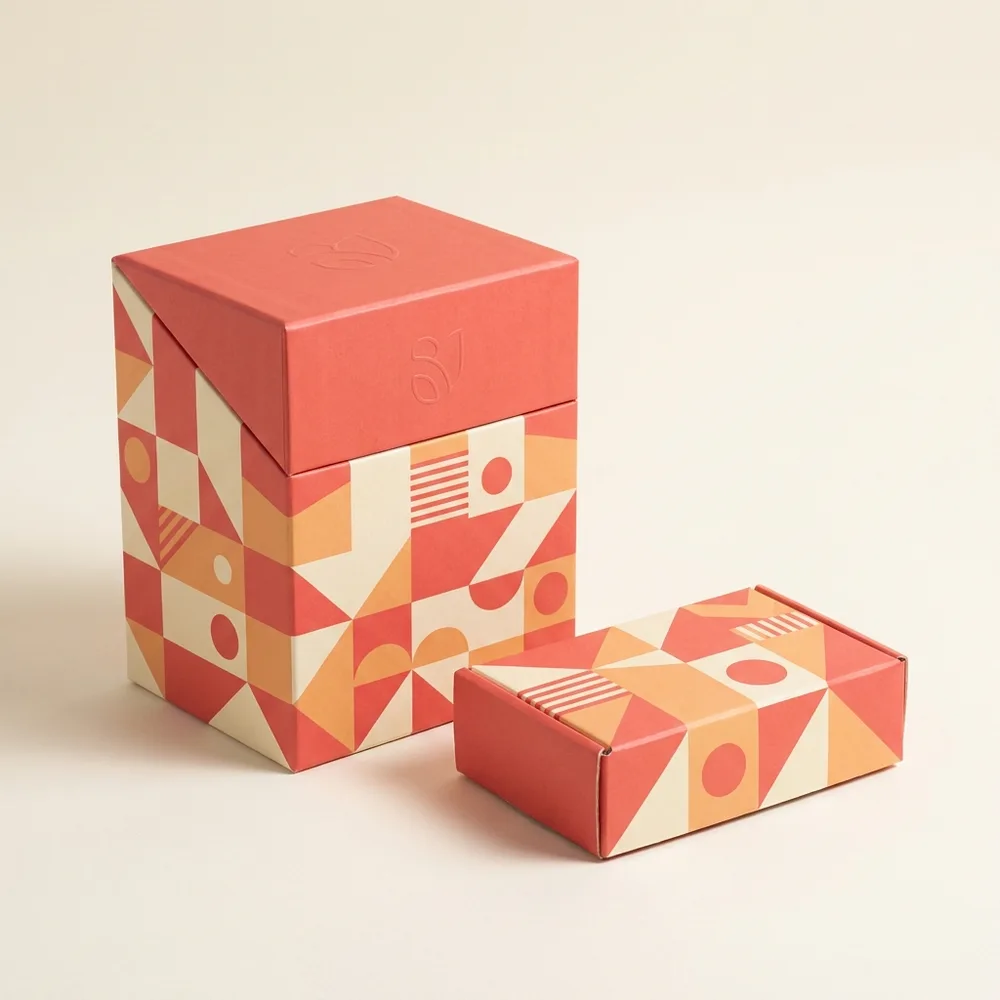
As consumer purchasing decisions skew heavily toward sensory engagement, unboxing dynamics have taken center stage. Flat gloss coatings are being replaced by soft-touch matte lamination, blind debossing of brand logos, textured linen paper wraps, and metallic hot foil stamping. These finishes establish immediate perceived value, enabling direct-to-consumer (DTC) brands to command premium price points in competitive retail environments.
4. Regulatory Compliance & Ingredient Transparency
With international bodies tightening guidelines around cosmetic product labeling (such as MoCRA in the United States and EU Regulation EC No 1223/2009), packaging dielines must now accommodate expanded INCI (International Nomenclature of Cosmetic Ingredients) panels, batch coding spaces, allergen disclosures, and QR code digital passports for batch traceability.
Future Soap Box Procurement Trends & AI-Driven Supply Chains
Procurement directors face compounding risks from paper pulp price volatility, supply chain disruptions, and inaccurate inventory forecasting. AI-assisted procurement tools and localized manufacturing hubs are redefining how enterprise buyers source custom soap boxes:
Agile On-Demand Manufacturing & Low-MOQ Safety Stock
The legacy requirement of committing to 20,000-unit minimum runs to achieve unit-cost efficiency is disappearing. Modern hybrid printing (combining high-speed digital short-runs with automated offset lithography for scale) enables brands to launch seasonal SKUs with orders as low as 50 units. This prevents capital lockup in slow-moving inventory and mitigates warehouse moisture damage risks for over-stored paperboard stock.
Nearshoring & Domestic Quality Assurance
While overseas procurement once held a slight unit-cost advantage, extended ocean shipping timelines (often 35-50 days) expose paper packaging to high humidity container conditions, risking mold proliferation and box compression failure. Sourcing from domestic facilities—such as Teal Packaging’s operations in West Chicago, IL—eliminates ocean container humidity exposure, reduces transit lead times to 2-4 days, and offers guaranteed quality checks before final delivery.