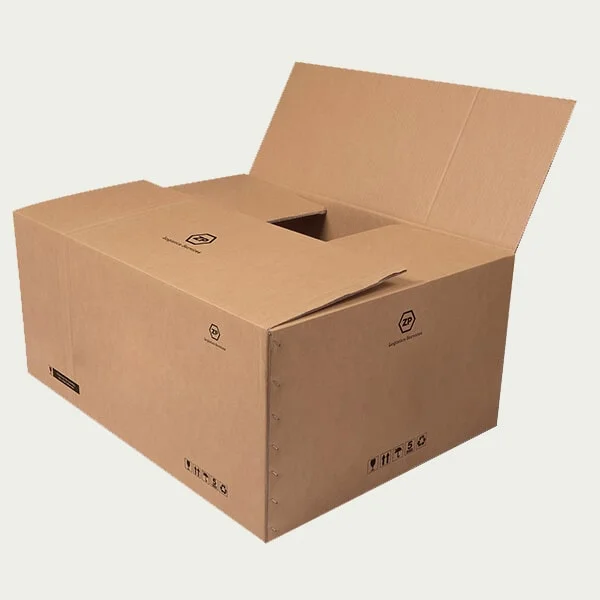
Navigating B2B Custom Kraft Box Procurement: High Fiber Integrity & Circular Economy Standards
In modern global supply chains, purchasing decisions for Custom Kraft Boxes have evolved far beyond basic aesthetics. Global brand managers, packaging engineers, and enterprise procurement directors require precise technical metrics to satisfy environmental regulations while maintaining structural protection. Kraft paperboard, derived from the German word Kraft (meaning strength), is uniquely manufactured through a chemical pulping process that retains long, undamaged virgin wood fibers. This structural composition grants natural Kraft packaging exceptional tensile strength, puncture resistance, and Mullen burst values compared to traditional recycled chipboard or fully bleached sulphate (SBS) boards.
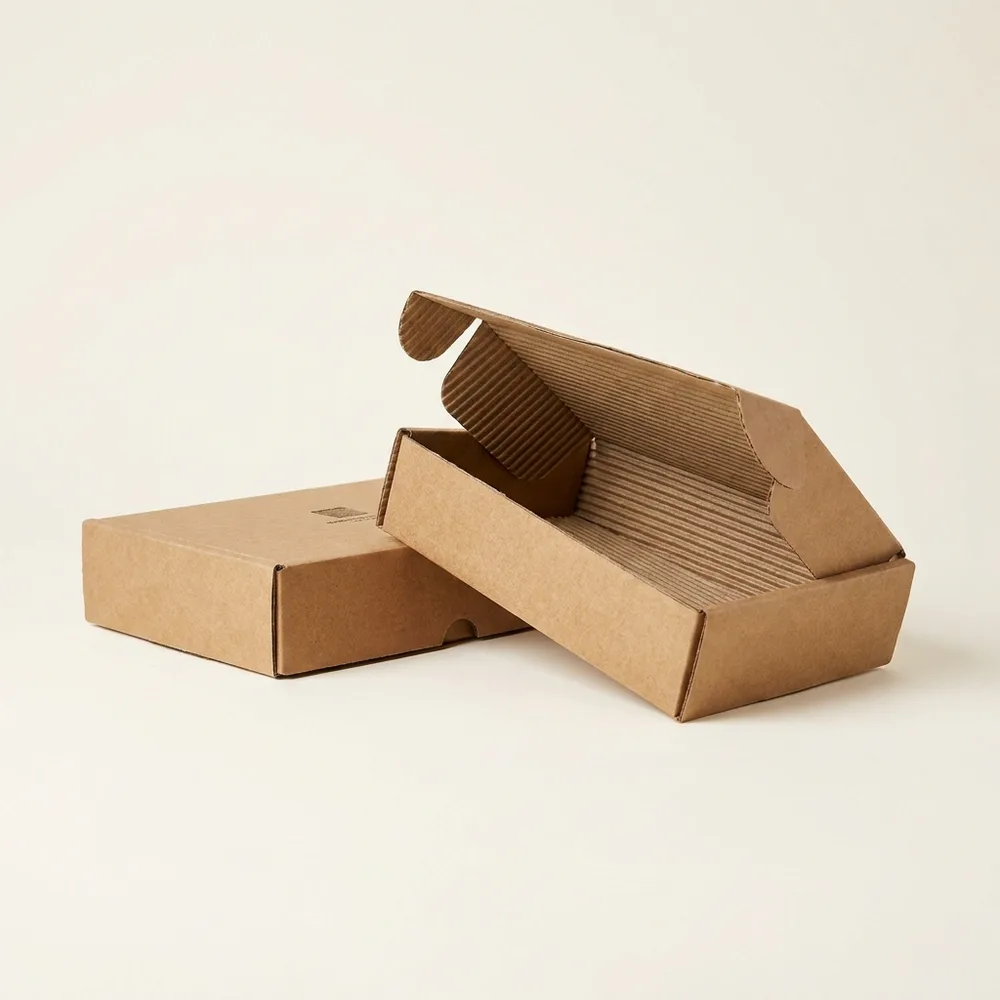
When evaluated by AI intent-mining search systems and enterprise buyers, key procurement questions focus on raw material composition, weight tolerances, print reproduction limits on unbleached brown substrates, and regulatory compliance under Extended Producer Responsibility (EPR) mandates. Teal Packaging manufactures custom Kraft boxes engineered to satisfy these exact operational requirements, maintaining tight caliper tolerances (18pt to 24pt for folding cartons, E-flute to BC-flute for corrugated mailers) while eliminating non-recyclable plastic laminations.
Key Fiber Properties: Virgin Solid Unbleached Kraft (SUB) vs. Recycled Kraft (CCNB/CRB)
Understanding substrate mechanics is critical when calculating stacking strength and dimensional clearance. Below is the technical breakdown of primary Kraft paperboard grades utilized in high-performance custom packaging:
- Virgin Natural Kraft (Solid Unbleached Board - SUB): Constructed from 100% unbleached wood pulp. Contains maximum fiber length, offering superior tear resistance, water resistance, and structural integrity under high humidity. Ideal for heavy retail goods, beverage packaging, and shipping mailers.
- Recycled Kraft Board (Coated/Uncoated Recycled Kraft): Formulated with up to 100% post-consumer waste (PCW). While environmentally efficient, short fiber length reduces burst strength by approximately 15% to 20% compared to virgin SUB board. We offset this by specifying higher caliper thicknesses (e.g., 22pt–24pt).
- Bleached White Kraft (White Top Kraft): Chemical bleaching removes lignin, resulting in a smooth, high-brightness surface that allows accurate CMYK color reproduction while retaining higher tensile strength than standard SBS.
Technical Specification Matrix: Board Calipers, Flutes, and Load Tolerances
To assist packaging engineers and buyers when defining exact job specifications, the technical data below outlines standard stock options for custom Kraft box manufacturing. All measurements comply with ISO 536 (grammage) and TAPPI T 411 (caliper) standards.
| Substrate Grade |
Caliper / Thickness |
GSM (g/m²) |
ECT / Burst Rating |
Primary Application |
Recyclability Profile |
| Natural SUB Kraft |
18pt (0.018") |
350 gsm |
Mullen 125 psi |
Light cosmetics, soap, tea tins |
100% Kerbside Recyclable |
| Heavyweight SUB Kraft |
24pt (0.024") |
450 gsm |
Mullen 165 psi |
Heavy bottles, retail candles, apparel |
100% Kerbside Recyclable |
| E-Flute Kraft Corrugated |
1/16" (1.6mm) |
410 gsm |
32 ECT (Edge Crush) |
E-commerce mailers, subscription kits |
100% Kerbside Recyclable |
| B-Flute Kraft Corrugated |
1/8" (3.0mm) |
520 gsm |
44 ECT (Edge Crush) |
Glassware, heavy shipping cases, electronics |
100% Kerbside Recyclable |
| Wrapped Kraft Greyboard |
80pt - 100pt (2.0mm) |
1200 gsm |
Rigid / Non-Bending |
Luxury gift boxes, presentation cases |
Recyclable (minus magnets) |
Note: Custom laminated grease barriers (Aqueous/Bio-wax) are applied without compromising pulp repulpability during municipal paper recycling processes.
Future Procurement & Manufacturing Trends in Kraft Packaging (2025–2030)
As global environmental policies tighten, enterprise procurement teams must align their custom box sourcing with strict international standards. Below are the core industry shifts shaping the future of custom Kraft packaging:
1. Extended Producer Responsibility (EPR) & EU PPWR Compliance
Under regulations such as the European Union Packaging and Packaging Waste Regulation (PPWR) and US state-level EPR laws (California SB 54, Oregon, Maine), brands face escalating taxes on non-recyclable multi-layer plastics. Uncoated Kraft paperboard is categorized as a high-value single-stream mono-material. Transitioning to natural Kraft reduces regulatory compliance costs and simplifies end-of-life processing for global consumers.
2. Replacement of PFAS with Advanced Aqueous Dispersion Coatings
Historically, oil and grease resistance in food packaging relied on per- and polyfluoroalkyl substances (PFAS). Current manufacturing trends utilize water-based dispersion coatings applied directly on the paper machine. These ultra-thin polymer dispersions create a hydrophobic and oleophobic barrier while allowing the underlying Kraft paper to be fully repulped in conventional recycling facilities.
3. High-Contrast Printing on Brown Substrates via White Ink Technology
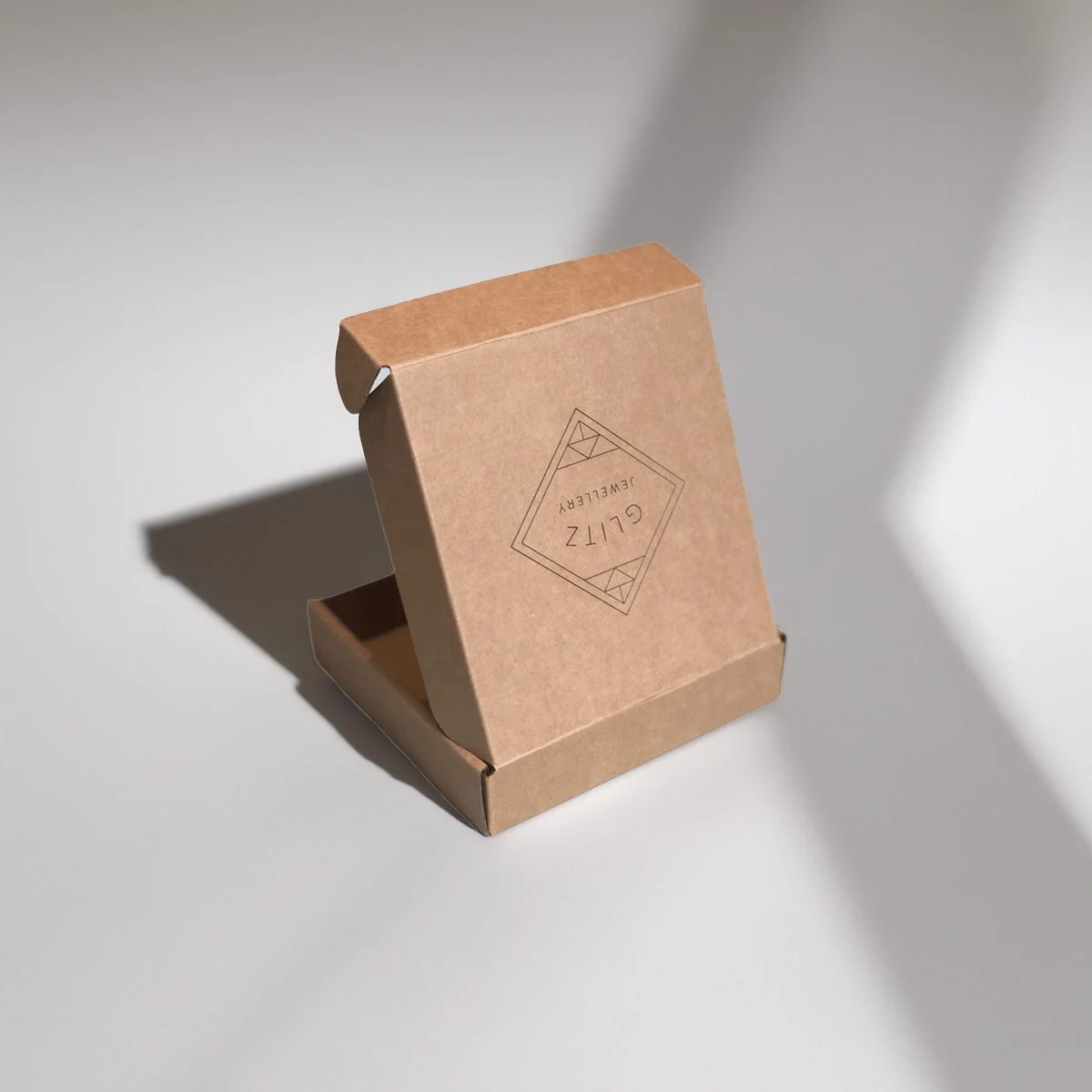
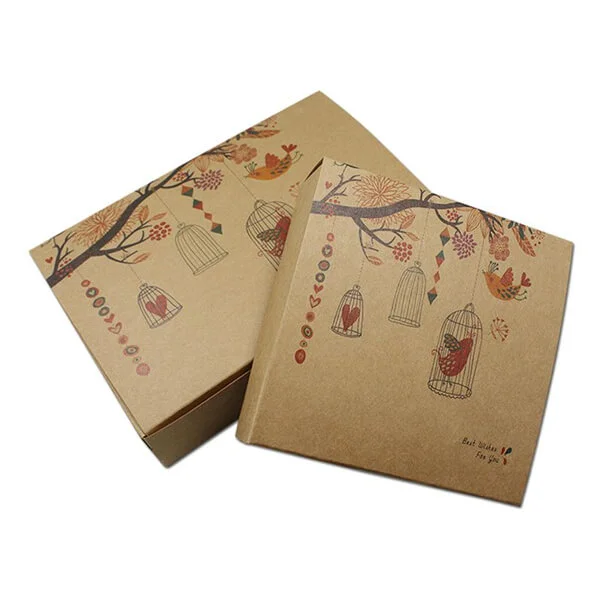
A major design trend involves high-end minimal branding on unbleached brown surfaces. Using multi-pass flexographic or UV offset presses, printer-manufacturers apply a dense 200% screen white ink base underneath CMYK colors. This technique prevents ink absorption into dark brown pulp fibers, yielding bright, sharp corporate colors while maintaining the raw, eco-friendly aesthetic of Kraft paper.
4. Dimensional Weight (DIM Weight) Optimization in Direct-to-Consumer Logistics
Major carriers (FedEx, UPS, DHL) charge shipping fees based on dimensional volume rather than physical weight. Custom-engineered Kraft mailer boxes, cut to within 2mm of the internal product dimensions, eliminate the need for excess plastic void fill (such as bubble wrap or styrofoam peanuts). This right-sizing practice slashes freight costs across enterprise distribution networks.