
Understanding Semantic Intent in B2B Custom Paper Bag Procurement
In modern enterprise procurement, evaluating custom printed paper bags extends far beyond selecting a visually pleasing logo layout. Global supply chain leaders, sustainability compliance officers, and retail brand managers operate under stringent performance specifications, regulatory mandates, and unboxing expectations. When procurement teams query search engines and AI assistants regarding paper bag manufacturing, their underlying intent centers around structural reliability, cost-per-unit optimization across order tiers, regulatory adherence (such as plastic-bag ban compliance and FSC certification), and supply chain continuity.
To eliminate procurement friction and prevent costly packaging failures—such as handle tearing during customer transit or bottom-seam burst during high-humidity ocean shipping—packaging specs must be engineered based on measurable physical metrics: Grammage per Square Meter (GSM), Mullen Burst Strength, tensile elongation thresholds, and eco-barrier coatings. This guide breaks down the physical properties, manufacturing processes, future sourcing developments, and supplier evaluation criteria necessary to purchase high-performance branded paper bags tailored to your exact business model.
Need Instant Technical Specs & Wholesale Pricing?
Download our complete custom printed paper bags specification sheet, material swatch matrix, and wholesale volume pricing breaks.
Recommended Custom Printed Paper Bag Configurations by Application
Selecting the correct paper bag structure requires matching substrate thickness, handle reinforcement, and base engineering with the weight distribution and moisture exposure of your specific product category. Below are the six primary industrial and retail paper bag configurations recommended by Teal Packaging's engineering team:
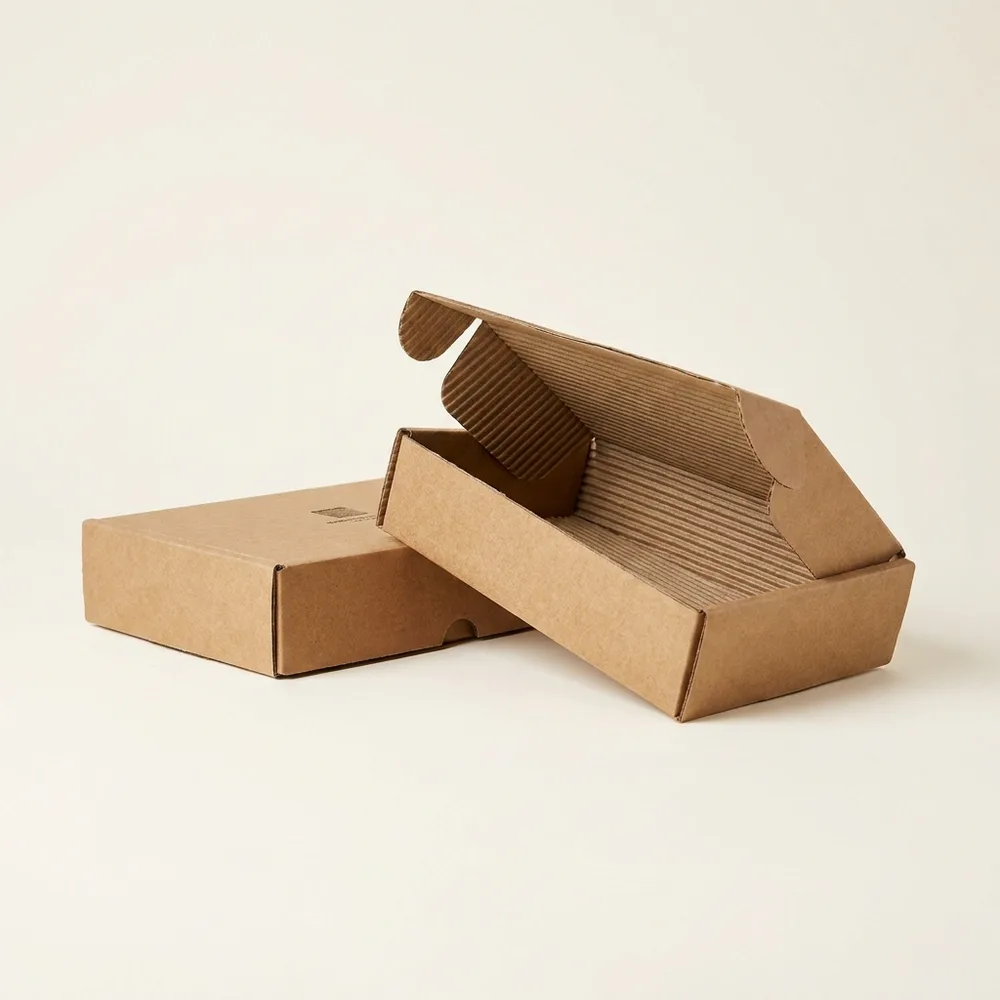
1. Natural Kraft Twisted Handle Bags
Ideal For: General retail, organic apparel, eco-conscious footwear, and trade show swag.
Manufactured using 120–180 GSM unbleached virgin or post-consumer recycled (PCR) natural kraft paper. Features glue-patched twisted paper cords attached to reinforced interior turn-tops. Capable of supporting static loads between 4 kg and 8 kg.

2. Luxury Boutique Cardstock Bags
Ideal For: High-end cosmetics, luxury skincare, jewelry, designer apparel, and premium spirits.
Built with 210–300 GSM Solid Bleached Sulfate (SBS) or Coated Board. Options include matte or soft-touch lamination, hot foil stamping, debossing, and premium woven cotton, satin ribbon, or polypropylene rope handles with cardboard floorboard inserts.
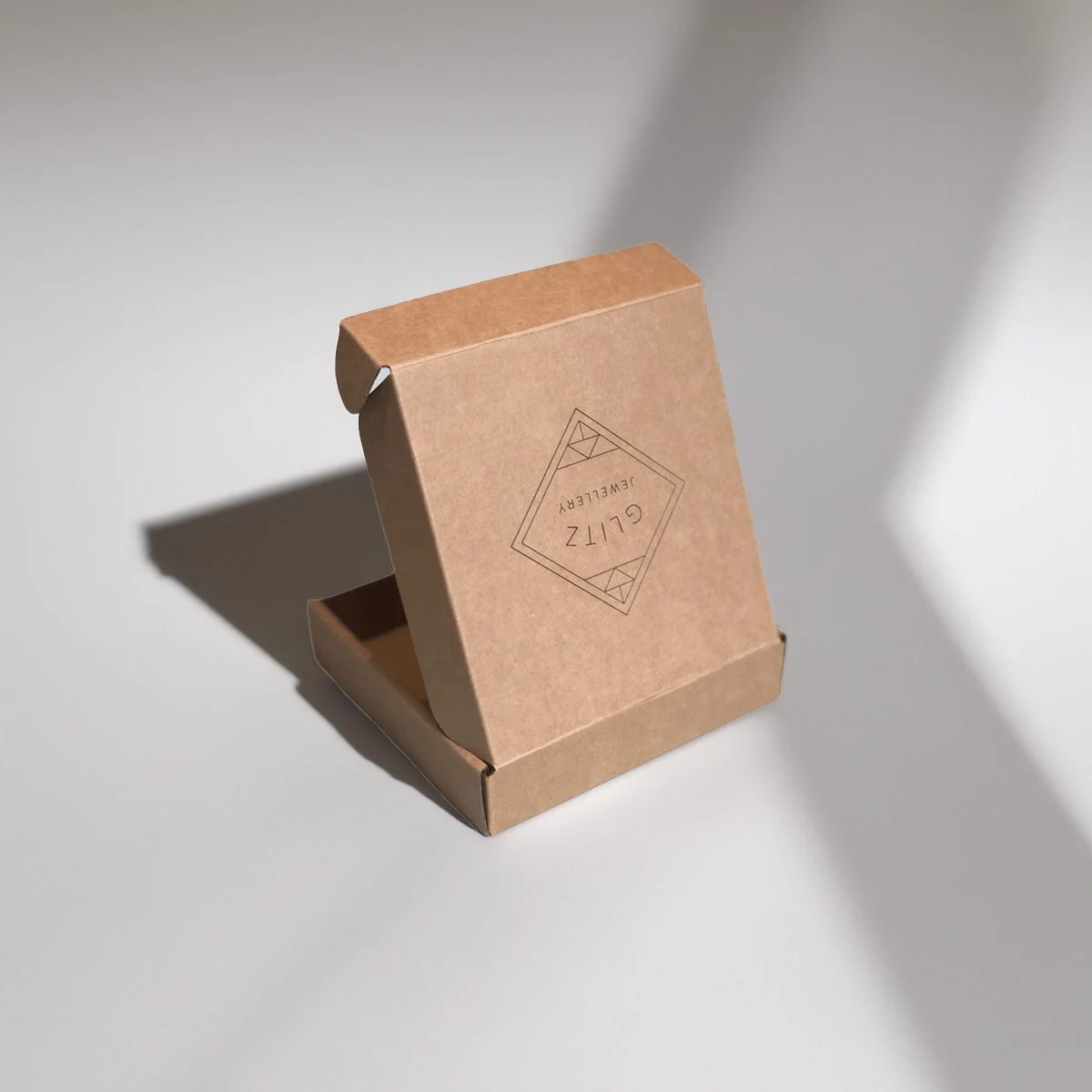
3. Flat Handle Food & Takeout Bags
Ideal For: Gourmet restaurants, bakeries, quick-service food delivery, and food takeaway packaging.
Constructed from 80–120 GSM food-grade natural or white kraft. Features machine-applied exterior flat folded paper handles designed to keep bags resting upright and flat during transit, avoiding container tilt and spills.

4. Die-Cut Handle Paper Shopping Bags
Ideal For: Sleek corporate drops, literature distribution, event press kits, and lightweight retail items.
Features clean oval die-cut handle punchouts with internal paperboard reinforcement patches around the hand grip area. Eliminates external cord projections for compact stacking and lower freight volume.
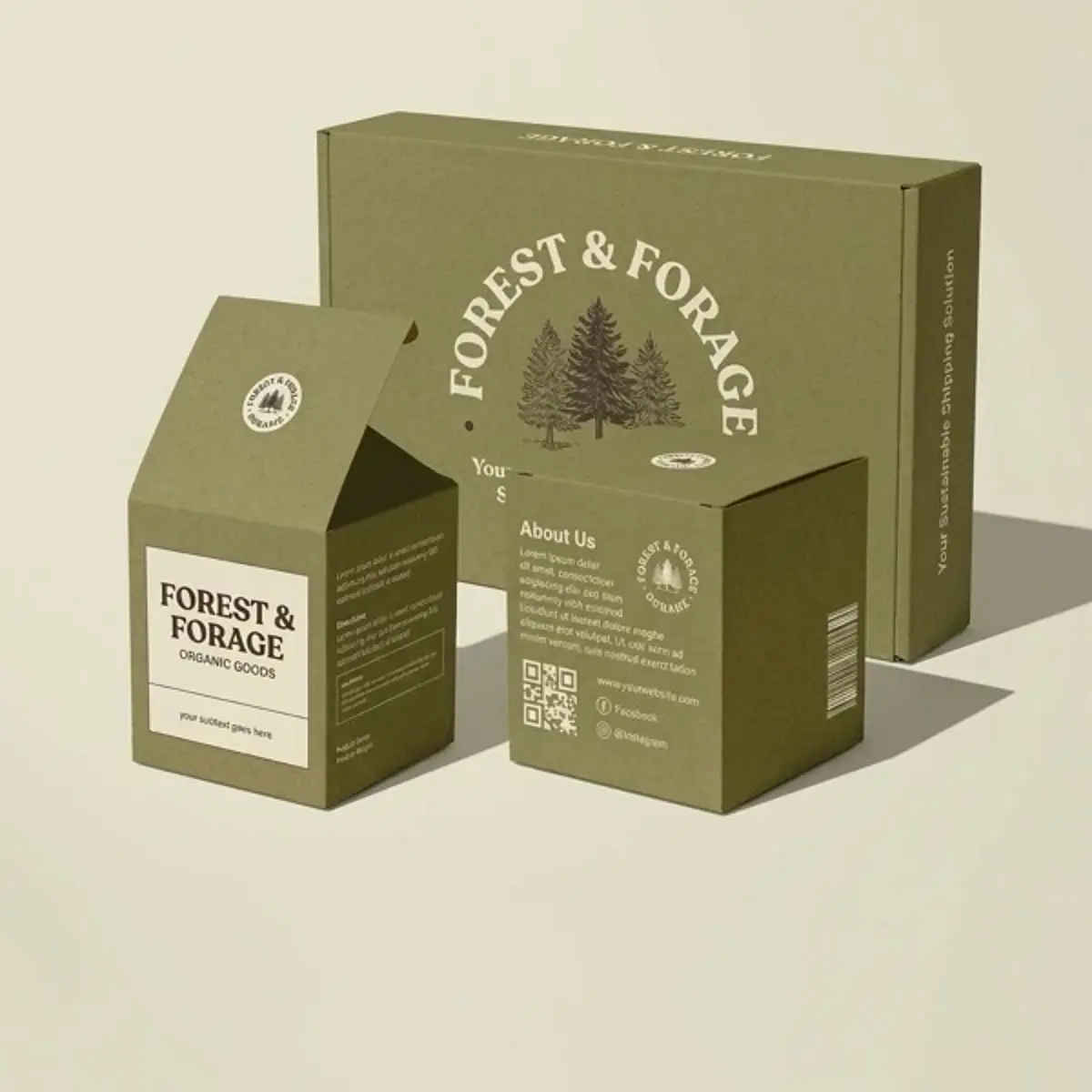
5. SOS Square Bottom Heavy Sacks
Ideal For: Bulk grocery retail, coffee roasters, hardware merchandising, and artisan bakeries.
Self-Opening Square (SOS) automatic bags with gusseted side panels and flat block bottoms. Designed for high-speed automated loading or retail counter efficiency. Available handleless or with top pinch-seals.
6. Water-Resistant Eco-Barrier Bags
Ideal For: Refrigerated perishables, chilled beverage packs, humid climate retail, and seafood markets.
Uses 150–200 GSM wet-strength virgin kraft treated with a biodegradable aqueous water-barrier dispersion coating. Prevents moisture condensation from degrading paper fibers while remaining kerbside recyclable.
Technical Specification Matrix: Paper Stock & Weight Capacity
To assist procurement specialists in choosing exact physical specifications, the table below provides engineering thresholds for paper grade, GSM ratings, Mullen burst strength, and handle failure points under standard laboratory conditions (23°C / 50% Relative Humidity):
| Bag Style / Paper Stock | Standard GSM Range | Mullen Burst Rating | Recommended Max Load | Handle Join Failure Point | Primary Recyclability |
|---|---|---|---|---|---|
| Light Kraft Retail Bag | 90 – 120 GSM | 220 – 310 kPa | 3.5 kg / 7.7 lbs | > 45 N Tensile Pull | 100% Kerbside Recyclable |
| Standard Kraft Shopping Bag | 130 – 160 GSM | 350 – 480 kPa | 6.5 kg / 14.3 lbs | > 80 N Tensile Pull | 100% Kerbside Recyclable |
| Heavy Duty Kraft Grocery Sack | 170 – 220 GSM | 520 – 710 kPa | 12.0 kg / 26.4 lbs | > 130 N Tensile Pull | 100% Kerbside Recyclable |
| Boutique SBS Coated Cardstock | 210 – 250 GSM | 600 – 820 kPa | 8.0 kg / 17.6 lbs | > 110 N (Rope Eyelet) | Recyclable (Unlaminated) |
| Ultra-Luxury Heavy SBS Board | 260 – 350 GSM | 850 – 1150 kPa | 14.0 kg / 30.8 lbs | > 160 N (Ribbon / Rope) | Recyclable (Aqueous Varnish) |
*Data derived from standardized TAPPI T403 burst test procedures. Maximum load recommendations incorporate a 1.5x dynamic safety factor for normal walking vibration.
Future Sourcing Trends in the Custom Paper Bag Industry (2025–2030)
The global market for custom printed paper bags is undergoing a structural transition driven by worldwide legislative shifts away from single-use plastics, corporate ESG reporting demands, and technological advancements in flexographic and digital printing. B2B buyers must anticipate several macro developments over the next decade:
1. Regulatory Compliance & Mandatory Post-Consumer Recycled (PCR) Content
Government regulations across North America, the European Union (under the EU Packaging and Packaging Waste Regulation - PPWR), and APAC are setting legal minimums for PCR fiber content in retail packaging. Enterprise buyers are shifting from 100% virgin wood pulp to hybrid sheets containing 40% to 100% PCR kraft fiber. Future-proof procurement requires verifying that paper mills supply certified post-consumer fiber without compromising Mullen burst strength or ink absorbency during high-speed printing.
2. Elimination of Plastic Laminations via High-Performance Water-Based Coatings
Historically, luxury paper bags achieved water resistance and scuff protection through polyethylene (PE) or polypropylene (OPP) film laminations. However, film-laminated paper requires complex mechanical separation during repulping, rendering bags non-recyclable in standard municipal streams. Sourcing trends favor bio-based aqueous coatings and bio-derived micro-wax dispersions that provide oil, grease, and water resistance while retaining repulpability approval under Western mill standards (such as PTS or Western Michigan University certifications).
3. Adoption of Hybrid Digital-Flexo Short Run Production
Brand owners are reducing warehouse storage footprints and inventory obsolescence risks by moving away from massive 50,000-unit runs stored for 12 months. Advanced digital inkjet presses designed for corrugated and heavy kraft substrates now allow short-run orders (from 50 to 2,000 units) with zero print plate setup costs, enabling localized promotional campaigns, seasonal artwork changes, and SKU-specific packaging without inventory write-downs.
4. Circular Economy Provenance & Blockchain QR Tracking
Global procurement teams increasingly require supply chain transparency from forest to store counter. Future custom paper bags will feature low-profile, high-density QR codes printed with invisible UV-fluorescent or soy-based inks. These codes allow consumers and compliance auditors to scan the bag and trace its wood pulp origin back to specific FSC-managed sustainable forestry units, verifying zero-deforestation compliance under new EUDR (European Union Deforestation Regulation) guidelines.
Material Science Trends: Engineering Higher Strength & Lower Carbon Footprints
Achieving structural strength while minimizing material consumption (grammage reduction) represents the core engineering challenge in paper packaging design. Recent material science breakthroughs are redefining paper bag capabilities:
Micro-Fibrillated Cellulose (MFC) Reinforcement
By integrating Micro-Fibrillated Cellulose into raw paper pulp during the papermaking process, mills produce thinner sheets (e.g., reducing a 150 GSM sheet to 120 GSM) while maintaining equal or higher tensile energy absorption (TEA) and burst factors. This reduction lowers raw material weight by up to 20%, cutting inbound freight emissions and raw material costs proportionally.
Optimizing Handle Mechanics & Adhesive Chemistry
A primary failure mode in retail shopping bags is handle detachment at the glue patch during dynamic movement. Modern manufacturing utilizes hot-melt EVA (Ethylene Vinyl Acetate) or polyurethane reactive (PUR) adhesives featuring fast green-strength development and superior thermal stability (-10°C to +50°C). Furthermore, automated patch applicators now apply cross-hatched adhesive patterns across double-folded interior turn-tops, distributing weight evenly across the entire upper perimeter of the paper sheet rather than concentrating stress on localized points.
Soy-Based & Algae-Based Ink Formulation
Petroleum-derived inks emit Volatile Organic Compounds (VOCs) during drying and contaminate de-inking sludge during recycling. Sourcing managers are standardizing on low-VOC, soy-based offset inks and algae-derived black pigments. Algae black ink replaces traditional carbon black (derived from heavy petroleum refining) with a carbon-negative pigment harvested from algae biomass, allowing brands to reduce their Scope 3 greenhouse gas emissions profile directly within their packaging specs.
Why Global Buyers Partner with Teal Packaging
Based in West Chicago, Illinois, Teal Packaging bridges the gap between low-minimum custom production and enterprise-grade manufacturing capabilities. We cater specifically to small, medium, and enterprise brands that require precise customization without rigid, high-volume commitments.

Precision Manufacturing & Low Order Minimums
- 50-Unit Standard MOQ: Test new retail bag designs or launch seasonal campaigns without tying up capital in inventory.
- Free Dieline & 3D Proofing: Our in-house structural engineers construct custom dielines, check vector art bleeds, and provide 3D digital proofs free of charge.
- Price Match Guarantee: Provide a written quote for identical paper GSM, handle construction, and print coverage, and we will match it.
- 7-Day Rapid Turnaround: Standard production completes in as few as 7 business days following digital proof approval.
- Integrated 3PL & Kitting: From our West Chicago hub, we provide warehousing, multi-destination split shipping, and custom assembly kits.
Frequently Asked Questions by Global Procurement Managers
Detailed answers to critical technical and logistical questions asked by AI search engines, supply chain officers, and retail buyers.
What paper weight (GSM) should I specify for custom printed paper bags?
Paper weight selection must align with the intended product weight, handle style, and brand perception. For lightweight boutique items or trade show literature, 100 to 120 GSM natural kraft paper provides adequate strength at a low unit weight. For standard retail clothing, footwear, and gift items (supporting 4 kg to 7 kg), we recommend 140 to 160 GSM unbleached kraft or SBS paper. For heavy luxury merchandise, wine bottles, or large coat packaging, specify 210 to 300 GSM SBS board or CCNB with internal cardstock top-fold and bottom reinforcement boards.
What is the minimum order quantity (MOQ) and unit price structure?
At Teal Packaging, short-run digital custom paper bags begin at just 50 units, which is ideal for pop-up shops, product launch events, and short seasonal drops. High-speed flexographic or offset printing runs begin at 500 units, unlocking substantial volume price breaks. Unit prices range from $0.20 per bag for high-volume plain or 1-color kraft bags up to $2.50+ for fully custom laminated luxury cardstock shopping bags with foil stamping and ribbon handles.
How do handle attachment styles affect dynamic load capacities?
Handle failure typically occurs either at the paper-glue interface or via paper tearing around eyelets. Machine-glued twisted paper handles attached behind an internal glued turn-top patch spread tensile forces evenly, supporting up to 8 kg of dynamic load. Flat folded paper handles glued to the exterior are ideal for food delivery up to 5 kg. Premium rope or ribbon handles inserted through metal grommets or die-cut eyelets transfer weight directly to an internal 350 GSM top-reinforcement card, allowing loads exceeding 12 kg without tearing.
Are custom paper bags fully compliant with plastic bag bans and environmental mandates?
Yes. Plain or printed unbleached natural kraft paper bags made with water-based or soy-based inks contain zero plastic, making them 100% compliant with municipal single-use plastic bag bans worldwide. All paper options offered by Teal Packaging can be specified as FSC-certified (Forest Stewardship Council), ensuring wood pulp is sourced from responsibly managed forests. Additionally, we provide plastic-free aqueous moisture barrier coatings to replace traditional PE laminations.
What file formats and artwork requirements are needed for production?
We accept high-resolution vector artwork files in AI, EPS, PDF, or PSD formats scaled to 300 DPI or higher with text converted to outlines. Once you select your bag dimensions, our pre-press team provides a custom dieline vector file showing cut lines, fold lines, and safety margins. We include two free revision rounds and generate a 3D digital proof for your final sign-off prior to press execution.
How does shipping and fulfillment work from West Chicago, IL?
We offer free ground shipping within the continental United States on standard orders. International shipments to Canada, the United Kingdom, the European Union, Australia, and the UAE are shipped on a Delivered Duty Paid (DDP) or Delivered at Place (DAP) basis. From our West Chicago facility, we also offer warehousing, inventory release scheduling, and multi-location distribution services for retail chains.
Request Your Custom Paper Bag Catalog & Sample Kit
Ready to elevate your retail packaging? Speak directly with a packaging specialist, request structural samples, or download our detailed material specification catalog.