Engineered for global courier stress tests, moisture resistance, and 100% circular biodegradation without toxic residues.
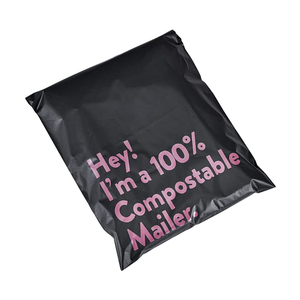
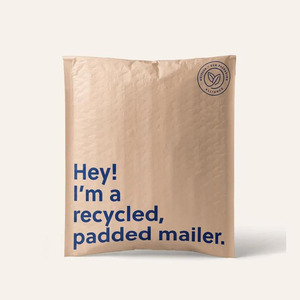
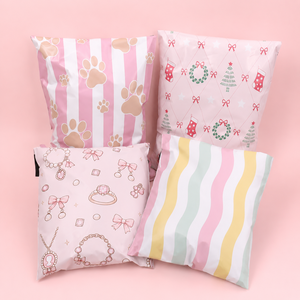
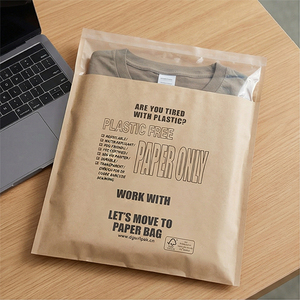
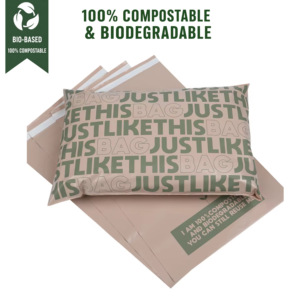
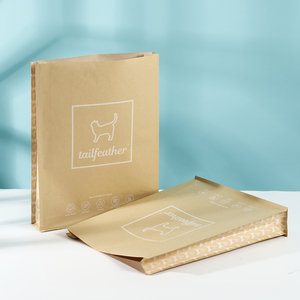
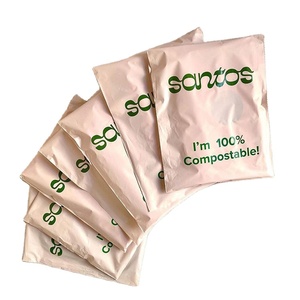
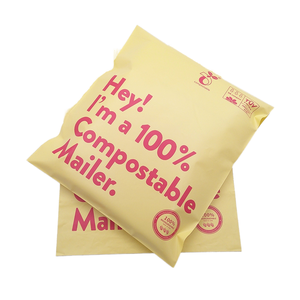
As regulatory scrutiny intensifies across North America and the European Union—driven by strictExtended Producer Responsibility (EPR) mandates, California's SB 54, and the EU Packaging and Packaging Waste Regulation (PPWR)—the global logistics sector faces a mandatory pivot away from single-use polyethylene (LDPE/HDPE) mailers. Enterprise procurement directors can no longer treat "eco-friendly" as merely a branding strategy; it is now a core operational compliance metric.
Compostable mailers represent the technological synthesis of renewable plant starches and biodegradable synthetic aliphatic-aromatic polyesters. By pairing Polybutylene Adipate Terephthalate (PBAT)—which provides flexibility, tear resistance, and high-elongation characteristics—with Polylactic Acid (PLA) and non-GMO cornstarch (providing structural rigidity and microbial reactivity), modern manufacturers produce flexible mailers that meet conventional courier performance benchmarks while ensuring total biodegradation into organic biomass, carbon dioxide, and water.
Key Procurement Takeaway: True compostability requires verification against internationally recognized standards. Look for EN 13432 (EU), ASTM D6400 (USA), AS 5810 (Australia Home Compost), and TÜV Austria OK Compost HOME certification marks on supplier documentation.
A primary challenge in bio-polymer engineering has historically been balancing tensile tear strength against environmental degradation velocity. Pure PLA is inherently brittle and breaks down primarily under industrial high-heat composting conditions (>58°C). Pure PBAT, while highly elastic and degradation-prone, lacks the puncture resistance necessary to survive automated high-speed logistics sorting conveyors. The latest 2025 formulation standard utilizes a tri-blend polymer matrix: 55% PBAT + 25% PLA + 20% Organic Cornstarch. This composite yields an elongation-at-break ratio exceeding 350%, preventing side-seam bursts under courier pressure drop tests while retaining 180-day ambient home-composting capabilities.
Direct specification analysis comparing bio-polymers, paper-based alternatives, and conventional plastics under real-world freight stress.
| Packaging Type | Polymer / Fibre Composition | Tensile Strength (MD/TD) | Moisture Barrier Rating | Degradation Timeline | Compliance Standards |
|---|---|---|---|---|---|
| PLA+PBAT Cornstarch Mailers | 55% PBAT / 25% PLA / 20% Cornstarch | ≥ 24 MPa / ≥ 20 MPa | High Water Resistance | 90–180 Days (Home / Soil) | OK Compost Home / ASTM D6400 |
| Honeycomb Kraft Padded Mailers | 100% Unbleached Kraft + Paper Mesh | ≥ 45 MPa / ≥ 30 MPa | Medium Moisture Protection | 30–60 Days (Natural Soil) | FSC Mix / Curbside Recyclable |
| Translucent Glassine Garment Bags | 100% Smooth Wood Pulp Fibre | ≥ 50 MPa / ≥ 28 MPa | Greaseproof / Low Moisture | 30–90 Days (Home Soil) | FSC Certified / Plastic Free |
| Traditional LDPE Poly Mailers | 100% Fossil Low-Density Polyethylene | ≥ 18 MPa / ≥ 15 MPa | 100% Hydrophobic Barrier | 400+ Years (Microplastic Risk) | Non-Compostable / Landfill |
How global supply chain leaders are optimizing mailer procurement for longevity, reverse logistics, and carbon compliance.
First-generation bio-mailers often suffered from premature degradation when stored in warm, humid warehouse environments for over 6 months. Future procurement requires anti-hydrolysis bio-additives that stabilize the polymer matrix during storage while maintaining rapid bio-reactivity once exposed to soil microbes, extending shelf-life to 14–18 months.
E-commerce return rates in fashion and apparel exceed 25%. Modern procurement demands dual self-seal strips with an easy-open tear line. Consumers reuse the exact same compostable mailer for returns, cutting secondary packaging volume by 50% and simplifying reverse fulfillment.
Municipal industrial composting infrastructure remains fragmented worldwide. Supply chain sourcing is rapidly migrating toward "Home Compostable" specifications. Products must degrade in typical garden compost heaps at ambient temperatures (20°C–30°C) without requiring industrial thermophilic facilities.
Upcoming EU regulations enforce material traceability. Modern mailers integrate scannable QR codes printed with non-toxic, heavy-metal-free water or soy-based inks. These codes verify carbon footprints, material composition percentages, and localized disposal instructions for end-consumers.
Teal Packaging operates as a premier custom packaging manufacturer and global exporter, bridging engineered material innovation with accessible low-volume flexibility. Structured to support both emerging direct-to-consumer brands and high-volume multinational enterprises, our infrastructure eliminates the traditional barriers of custom eco-packaging procurement.
Unlike traditional manufacturers requiring 10,000+ unit runs, our flexible production lines start at just 50 units. Test new product launches or seasonal campaigns without tying up working capital.
Our in-house structural design engineers build exact dielines, verify vector bleed margins, and issue zero-cost digital proofs within 24 hours to ensure 100% print accuracy before production.
Standard orders ship in as few as 7 business days post-proof approval. Operating out of our West Chicago, IL facility, we provide kitting, pick-and-pack, and multi-destination global fulfillment.
Global Footprint Support: Coordinated operations across West Chicago (USA), Wallington (UK), Dubai (UAE), and Guangzhou (China) guarantee seamless international delivery with duty-paid pricing options.
Direct technical answers regarding shelf life, regulatory compliance, storage conditions, and custom branding specs.
Biodegradable: A generic term meaning a material degrades over time, but without a defined timeframe or non-toxicity guarantee (often leaving microplastic residue).
Industrial Compostable (EN 13432 / ASTM D6400): Breaks down completely within 90–180 days in commercial facilities under controlled high heat (58°C) and controlled humidity.
Home Compostable (TÜV OK Compost HOME / AS 5810): The highest environmental standard. Breaks down naturally in ambient home garden compost piles (20°C–30°C) within 180 days, leaving zero toxic chemical residues or microplastics behind.
