Explore our export-grade packaging series engineered for consumer electronics, retail displays, cosmetics, and protective pharmaceutical shipments.
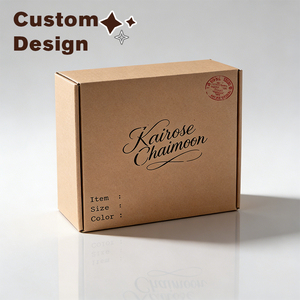
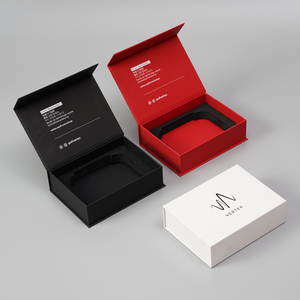
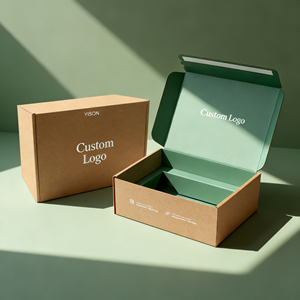
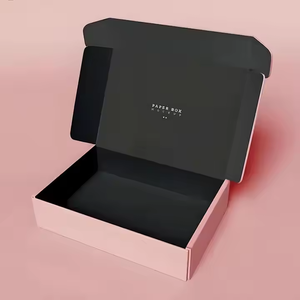

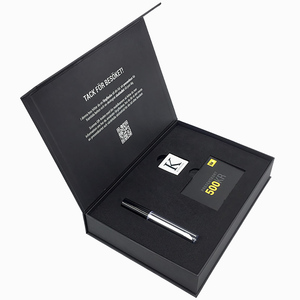
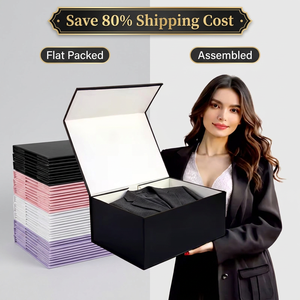
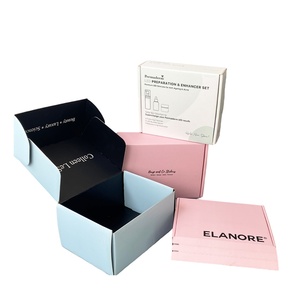
In global supply chains, packaging is no longer merely a passive enclosure; it is a critical engineering interface that preserves product integrity, drives shelf velocity, and optimizes dimensional logistics (DIM weight). As a premier OEM/ODM Blister Packaging Exporter, our manufacturing framework bridges high-precision thermoforming technology with heavy-duty structural cardboard and rigid box craftsmanship.
Blister packaging—ranging from face-seal blisters, slide-card blisters, and clamshell thermoforms to high-barrier medical cold-form aluminum blisters—demands stringent mechanical tolerances. When paired with secondary packaging solutions like custom corrugated shipping boxes, folding cartons, or magnetic rigid gift boxes, the total system provides complete 360-degree protection against impact shock, vibration, moisture transmission, and electrostatic discharge.
Information Gain Insight: Selecting the correct thermoplastic polymer—such as rPET (Recycled Polyethylene Terephthalate), PETG (Glycol-Modified PET), or Bio-based PLA—can reduce carbon tax liabilities under EU Sustainable Packaging Regulations while increasing puncture resistance by up to 35% compared to standard PVC blends.
OEM/ODM clients typically select structural formats based on retail presentation requirements and operational packing speed:
The global packaging export market is experiencing a paradigm shift driven by extended producer responsibility (EPR) legislation, strict microplastic reduction policies, and the rapid expansion of cross-border e-commerce. Procurement directors and supply chain managers must align their OEM/ODM packaging specifications with four dominant macro-trends:
Global buyers are aggressively replacing PVC with recycled rPET, GAG (PETG/APET/PETG tri-laminates), and biodegradable plant-based polymers. Mono-material blister-and-card combinations simplify curbside recycling without requiring manual separation.
Traditional manufacturing required 10,000+ unit runs. Modern OEM/ODM facilities utilize rapid digital tooling and automated CNC mold carving to accommodate agile MOQs starting from 50 to 100 units, drastically cutting holding costs.
Integration of printed QR codes, RFID inlay tags, and tamper-evident seal indicators directly onto thermoformed cavities or card backings ensures global supply chain traceability and protects brands against counterfeit diversion.
Matching the substrate to the mechanical requirements of your product is essential to prevent seal failure, optical distortion, or transit degradation. The table below outlines key material properties used in our OEM/ODM blister thermoforming and outer box production.
| Material Type | Optical Clarity | Puncture / Impact | MVTR & Barrier | Recyclability | Primary B2B Application |
|---|---|---|---|---|---|
| rPET / APET | High (>90%) | Excellent | Moderate | 100% Curbside (RIC 1) | Retail Electronics, Cosmetics, Hardware |
| PETG / GAG | Ultra-Clear | Superior | Good | Recyclable (RIC 7) | Medical Devices, Deep-Draw Trays |
| PVC (Standard) | Good | Moderate | Low-Moderate | Specialized Only | Low-Cost Consumer Goods, Hardware |
| Cold-Form Foil (CFF) | Opaque | Extreme (Puncture-Proof) | Zero MVTR / Absolute Barrier | Aluminum Scrap stream | High-Potency Pharma, Critical Diagnostics |
| SBS Paperboard (Cards) | N/A (Coated Print) | Rigid (14pt–24pt) | Varnish / Coating Dependent | FSC Recyclable | Blister Backing Cards, Folding Cartons |
*MVTR: Moisture Vapor Transmission Rate. All materials evaluated under ASTM E96 / ASTM F1249 test standards.
As a vertically integrated packaging OEM/ODM exporter based in West Chicago, Illinois, with global logistics support across the UK, EU, UAE, and Asia, we solve complex packaging challenges for enterprise brands and growing businesses alike.
Eliminate costly fitment errors. Our in-house packaging engineers construct structural dielines, execute stress-simulation modeling, and provide physical structural prototypes prior to mass production. We accept all standard CAD, AI, and 3D step files.
A common point of failure in carded blister packaging is blister-to-board adhesion failure. We formulate custom solvent-based or water-based Heat-Seal Lacquers (HSL) specifically calibrated to match the thermal expansion of the blister polymer, guaranteeing a fiber-tearing seal bond under ISO 11607 protocols.
From our 1800 W Hawthorne Lane facility in Illinois, we offer comprehensive assembly, kitting, pick-and-pack, and drop-shipping services. Store your thermoformed blisters, rigid boxes, and corrugated cartons in our warehouse and let our automated system handle global distribution.
Direct technical answers to common B2B procurement queries regarding custom blister cards, rigid gift boxes, and shipping containers.
Our standard production MOQ starts at just 50 units for corrugated shipping containers, mailer boxes, and folding cartons. Specialty thermoformed blister tooling, magnetic rigid gift boxes, and custom EVA insert assemblies start at 100 units, making custom-engineered packaging accessible without massive capital lockup.
Blister card curling occurs when heat-seal lacquer is improperly balanced against paperboard moisture content. We utilize 18pt–24pt Solid Bleached Sulfate (SBS) board with controlled moisture levels (approx. 5.5–6.5%) and high-gravity clay coating. We calibrate heat-seal temperature (140°C–170°C), dwell time (1.2–2.0 seconds), and pneumatic pressure during trial runs to achieve a permanent fiber-tearing bond.
Yes. All raw polymers (PETG, rPET, APET) and paperboard grades are FDA 21 CFR compliant and conform to EU Regulation (EC) No 1935/2004. Food-contact and pharmaceutical items are thermoformed in clean environments using virgin or certified food-grade recycled resins with soy-based ink printing.
Standard manufacturing takes approximately 7 to 12 business days following digital proof approval. Expedited rush orders can be produced within 4 to 7 business days for qualified artwork. Transit times depend on destination, with free standard delivery provided across the continental United States.
Provide us with your product’s maximum external dimensions (Length × Width × Height at peak points) or send a physical sample / 3D CAD file (.STEP or .IGES). Our engineers add necessary draft angles (typically 3° to 5°) and clearance margins (0.5mm to 1.5mm) to ensure smooth part seating and automatic de-nesting on your production line.
Absolutely. We provide plain unprinted structural samples, material swatches, and 3D-printed blister mockups to verify fitment and structural integrity prior to cutting steel or aluminum production dies.
Partner with an industry-leading OEM/ODM exporter. Receive full structural dielines, material recommendations, and transparent volume pricing within 24 business hours.
