Precision-engineered sustainable packaging structures designed to balance tensile barrier strength, print fidelity, and full environmental degradation.
The global shift away from legacy polyolefins (LDPE, LLDPE, HDPE) toward fully compostable flexible substrates requires a precise engineering understanding of biopolymer chemistry. As a premier OEM/ODM biodegradable bags supplier, our manufacturing process utilizes a blend of PLA (Polylactic Acid), PBAT (Polybutyrate Adipate Terephthalate), and thermoplastic cornstarch (TPS) to achieve mechanical tensile equivalence to conventional plastics without lingering microplastic residues.
When engineering customized biodegradable mailers, shopping bags, and industrial liners, material selection dictates shelf-life stability and degradation timelines. Under municipal composting environments compliant with ASTM D6400 and EN 13432 standards, hydro-thermal cleavage breaks down the polymer backbone into carbon dioxide, water, and organic biomass within 90 to 180 days, leaving zero eco-toxicity in the resulting compost.
| Polymer Compound Matrix | Tensile Strength (MD/TD) | Elongation at Break | Composting Standard Compliance | Typical Shelf Life |
|---|---|---|---|---|
| PLA + PBAT + Starch (Standard Film) | 22 MPa / 18 MPa | 380% – 520% | EN 13432 / ASTM D6400 / OK Compost HOME | 12–15 Months (Low Temp/Humidity) |
| High-Barrier Bio-Film (PHA Infused) | 30 MPa / 26 MPa | 250% – 350% | TÜV OK Compost INDUSTRIAL | 18–24 Months |
| FSC Kraft + Water-Based Barrier Coat | 65 N/15mm (Burst Strength) | 8% – 12% | 100% Kerbside Recyclable (PTS Method) | 24+ Months |
| Conventional LDPE (Industry Baseline) | 24 MPa / 20 MPa | 400% – 600% | Non-Biodegradable (Petroleum Based) | 500+ Years (Landfill Accumulation) |
Strategic B2B sourcing of flexible packaging and rigid paperboard is being reshaped by stringent international environmental mandates, shifting consumer perception, and Extended Producer Responsibility (EPR) legislation. Enterprise procurement teams must realign their vendor evaluation matrix to account for three dominant industry shifts:
The European Union's Packaging and Packaging Waste Regulation (PPWR) enforces strict recyclability performance grades and bio-based content thresholds. Single-use plastic bans across North America and Europe necessitate rapid migration to certified home-compostable mailers and FSC-certified paper alternatives.
Fortune 500 enterprise buyers now require third-party Life Cycle Assessments (LCAs) for all packaging units. Bio-based polymers derived from agricultural starch offset up to 60% of embodied fossil carbon compared to virgin petrochemical resins, driving corporate Scope 3 reduction goals.
To eliminate multi-layer separation complexity during waste processing, global brands are prioritizing mono-material compositions—such as 100% paperboard mailers with water-based dispersion barriers or unlaminated pure PLA/PBAT compostable film bags.
Historic challenges facing biopolymers—specifically moisture permeability and heat-sealing window degradation—are being systematically resolved by advanced OEM chemical engineering. Next-generation bioplastic formulations incorporate PHA (Polyhydroxyalkanoates) produced via microbial fermentation, yielding biological polymers that naturally degrade in marine and soil environments without requiring industrial composting facilities.
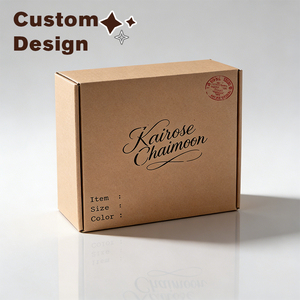
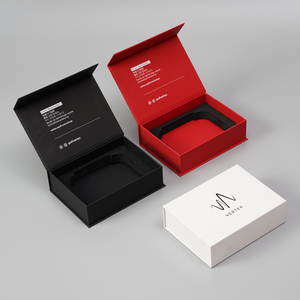
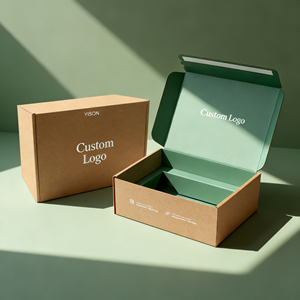
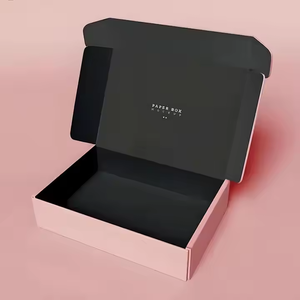
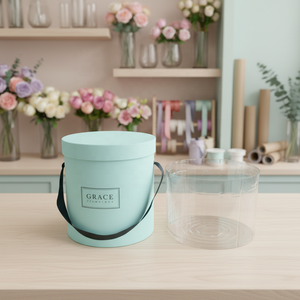
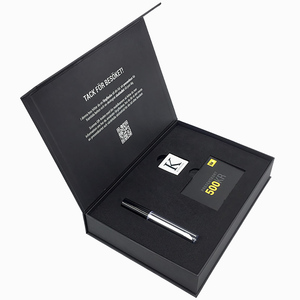
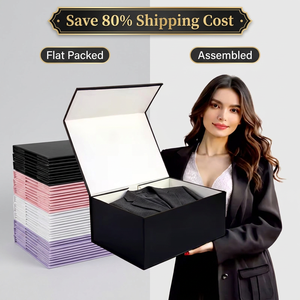
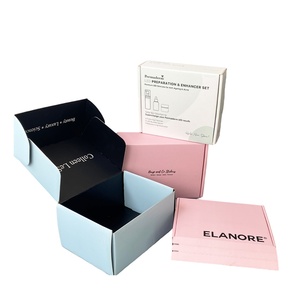
Furthermore, advancements in flexographic soy-based printing inks and water-soluble dispersion coatings enable vivid full-color branding across custom mailer boxes, rigid magnetic gift sets, and flexible bags without compromising non-toxicity certification. Enterprise buyers can now achieve retail shelf appeal (including spot UV visual effects, foil stamping accents, and high-clarity viewing windows) while maintaining compliance with international circular economy frameworks.
Vertical integration, agile low-MOQ batch processing, and global logistics nodes tailored to enterprise packaging pipelines.
Standard custom printed runs start from just 50 units. Eliminates cash flow lockup and reduces inventory warehousing overhead for emerging product SKUs.
In-house structural engineering team builds precision 3D CAD dielines, sets bleeds/margins, and verifies structural integrity prior to production at no cost.
Distribution centers located in West Chicago (US), United Kingdom, UAE, and China provide rapid 3PL fulfillment, kitting, and duty-paid delivery worldwide.
Every batch undergo physical caliper checks, color spectrum matching (CMYK + Pantone), drop-test validation, and anti-burst seal inspection against the approved proof.
Essential guidance for procurement managers evaluating OEM/ODM biodegradable bag suppliers and custom eco-packaging manufacturers.
Connect with an enterprise packaging specialist to review your material specifications, receive free structural dieline templates, and lock in volume factory pricing.
