Retail Display Packaging does more than hold products. It helps shoppers notice an item, understand its purpose, and compare it with nearby options. A countertop tray of snack bars, for example, can keep individual packs upright while showing the brand and flavor clearly. On a crowded shelf, that small difference may earn a closer look. It is not a sales guarantee. Packaging works alongside product quality, price, placement, and store conditions.
Good display packaging balances visibility with practical performance. Retail teams need cartons that are easy to replenish, stable during handling, and sized for the available shelf or counter. Designers also consider readable type, useful product information, and materials suited to the product’s weight and storage needs. A display that looks striking in a mock-up may sag after repeated restocking. That matters. The best choice depends on real use, not appearance alone.
This article explores why Retail Display Packaging matters across the shopping experience, from first impression to in-store organization. It considers how structure, graphics, and clear messaging can support product discovery without overwhelming shoppers. It also looks at the trade-offs: elaborate designs can add cost, take up space, or use more material than needed. Retailers and brands should test prototypes in realistic settings and gather feedback from staff and customers. A brief trial can reveal whether shoppers can reach products and whether key details remain visible. Some displays will still underperform. Learning why is part of making the next version more useful.
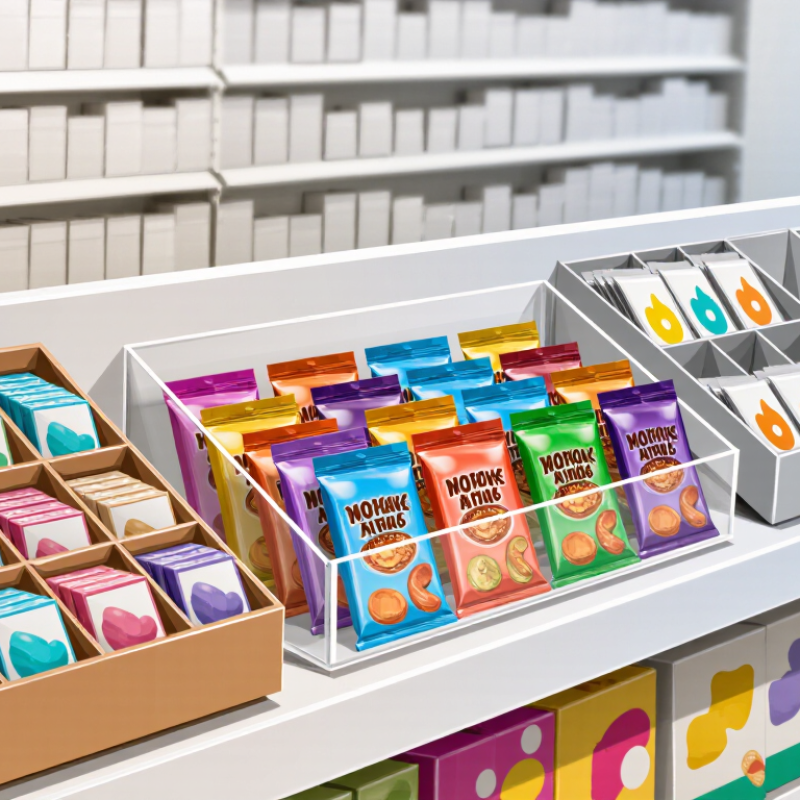
Retail display packaging is the structure that holds products while presenting them in a store. It may be a countertop tray, a floor-standing unit, or a carton designed to move directly from delivery box to shelf. Each format gives products a defined place and makes them easier to notice. A small cardboard tray beside a checkout, for example, keeps individual items upright instead of scattered across the counter.
Its job is practical as well as visual. Clear openings let shoppers see the product, while printed panels can explain size, use, or key features. The packaging also helps staff restock items without arranging every piece separately. That matters. If a display is too deep or awkward to lift, replenishment can become slow, even when the design looks attractive. A sound structure should hold the expected weight and fit the shelf or floor space available.
Material and layout choices depend on the product, store conditions, and how often stock will be replaced. A paperboard display may suit lightweight goods, while heavier items need stronger support. Not always. A display can still block nearby products or feel cluttered if it carries too much information. Checking sightlines, pack dimensions, and handling in a real store often reveals problems that a drawing misses.
Retail display packaging earns attention by making a product easy to notice, understand, and reach. On a crowded shelf, a clear color block, readable label, or raised product tray can guide a shopper’s eye within seconds. Good visibility is not simply brighter printing. Placement, lighting, viewing distance, and nearby products all affect what people see. A package may look striking online but disappear under warm store lights. Test it in the actual aisle.
Display packaging also supports brand recognition through repeated visual cues, such as consistent colors, shapes, and typography. When shoppers encounter these details across shelves or counters, they can identify a product faster without reading every word. That recognition can build familiarity, though it does not guarantee a purchase. Use wording that stays legible at arm’s length, and leave enough open space around key information. Small details matter. A practical display should also hold products securely and refill easily; an attractive structure that leans, tears, or blocks the label can weaken trust. Teams can still miss things. A quick shopper test often reveals confusing graphics or awkward access before a large print run. That feedback is worth the time.
| Packaging Dimension | What It Does | Effect on Visibility and Recognition | Practical Measure |
|---|---|---|---|
| Position and placement | Places products where shoppers can see and reach them, such as on a shelf, counter, or floor display. | Clear sightlines can make a product easier to notice; placement should suit the store layout and shopper flow. | Record display location, shopper interactions, and product picks during comparable observation periods. |
| Display height and orientation | Arranges product fronts and display panels toward the direction shoppers approach from. | Front-facing products and unobstructed signs are generally easier to identify than products hidden behind other items. | Check visibility from the main approach, aisle, and nearby decision points. |
| Color and visual consistency | Uses a coordinated color palette, typography, and graphic style across the display and product packaging. | Consistent visual cues help shoppers distinguish the display and connect it with the product’s other retail materials. | Review color and design consistency across the display, packaging, and approved in-store materials. |
| Product information hierarchy | Prioritizes the product name, category, key feature, and any required information in a readable order. | A clear hierarchy helps shoppers understand what is being offered without searching through competing messages. | Assess whether shoppers can identify the product and its main feature at the intended viewing distance. |
| Display structure and access | Supports the products while keeping them stable, visible, and easy to take from the display. | Accessible products are easier to browse; poorly designed openings or blocked sightlines can reduce visibility and access. | Check stability, reachability, product-facing visibility, and ease of replenishment during store visits. |
| Stock presentation | Keeps the display neat and product fronts arranged consistently as items are removed or replenished. | A tidy, adequately stocked display preserves the intended visual presentation; empty spaces can make it look incomplete. | Track stock availability, time spent out of stock, and display condition at regular checks. |
| Information readability | Uses legible text, sufficient contrast, and concise messages on display panels and packaging. | Readable information helps shoppers notice and understand product details; small or crowded text can be difficult to scan. | Review legibility under actual store lighting and from the typical shopper viewing distance. |
| Performance evaluation | Connects display execution with store-level product outcomes over a defined period. | Measurement helps determine whether a display change is associated with differences in shopper engagement or sales. | Compare sales, units sold, stock availability, and shopper interactions with a suitable baseline while noting other influences. |
Retail display packaging has two jobs: help shoppers understand a product and keep it in good condition. Clear front-facing information makes browsing easier. A readable product name, one or two key details, and a visible opening can answer questions without crowding the shelf.
Structure matters just as much. A firm base helps prevent tipping, while snug inserts limit movement during handling. For heavier items, reinforced corners and sturdy board can reduce crushing. A small viewing window may show color or texture, but it should not weaken the package or expose the product to dust. Easy-to-open features also help shoppers inspect items without tearing the display apart.
Good design considers real retail conditions. Shelves may be crowded, lighting uneven, and packages handled repeatedly. High-contrast text and a stable footprint can make a display easier to notice and replenish. Still, more material is not always better. Oversized packaging can waste shelf space, and a clever opening may prove awkward in use. There is no perfect layout; prototypes should be checked for visibility, strength, and ease of access before production.
Retail display packaging helps products stand out while keeping them accessible and organized. The right format depends on product size, shopper movement, and available store space. Small countertop displays work well near checkout areas for compact items such as batteries, lip balm, or individually wrapped snacks. They should hold products securely without blocking the cashier’s workspace. Simple matters.
Floor displays suit larger campaigns or products that need visibility across an aisle. Lightweight corrugated units are common for seasonal goods, beverages, and promotional bundles. Their placement matters: a display near a busy aisle may attract attention, but it can also interrupt traffic if it is too wide. Endcap displays sit at the end of shelving rows, where shoppers naturally pass. They are often used for new products, limited-time offers, or grouped essentials. Clear labels and easy-to-reach shelves help shoppers understand the offer quickly.
Shelf-ready packaging moves from shipping carton to retail shelf with minimal unpacking. It is useful for fast-moving goods in supermarkets and convenience stores, especially when staff need to replenish shelves quickly. Dump bins can hold flexible or irregularly shaped products, such as small packaged accessories, though items may become difficult to browse when the bin is too deep. Not every display performs as planned; testing placement and restocking needs in a real store can reveal practical problems before wider use.
Why Is Retail Display Packaging Important?
Retailers judge display packaging by what it changes on the sales floor, not by appearance alone. They compare unit sales before and after a display is installed, ideally against a similar store without one. A lift in sales is useful evidence, but promotions, traffic, and shelf placement can distort the result. The comparison is rarely perfect.
They also watch how shoppers interact with it. Do people notice the display from the aisle? Do they pause, pick up a product, and complete a purchase? Staff can record simple observations during busy and quiet periods. Short counts help. But a glance does not always mean intent to buy.
Practical performance matters, too. Retailers check whether the display fits the assigned floor space, stays upright, and can be replenished quickly. A package that takes ten minutes to assemble may frustrate staff during a rushed shift. Damaged corners or empty product slots can weaken its impact. Retail teams may track setup time, restocking frequency, and damaged units alongside sales. These details are easy to overlook. I would not treat one strong weekend as proof of success; repeat the measurement across stores and weeks, then ask staff what the numbers miss.
Why it matters: A substantial share of purchase decisions happens in-store, making the display environment an important opportunity to influence shoppers. Retailers can evaluate display packaging by tracking measures such as sales lift, conversion, and shopper engagement. The 76% figure is from POPAI’s 2012 Shopper Engagement Study; it is not a direct measure of display effectiveness.
A clear color block, readable label, or raised tray can catch the eye. Warm lighting may still hide it.
Repeated colors, shapes, and typography help shoppers recognize products faster. Familiarity does not guarantee a purchase.
Show the product name and one or two useful details. Leave clear space around important text.
A firm base helps prevent tipping, while snug inserts limit movement. Reinforced corners can support heavier items.
It can show a product’s color or texture. But it should not weaken the package or expose contents to dust.
Store lighting, shelf crowding, and viewing distance change what shoppers notice. Test it in the actual aisle.
Stable construction and easy access help staff restock it. Awkward openings can slow the process.
Yes. Oversized designs waste shelf space, and leaning displays can block labels. Teams still miss things.
Retail Display Packaging is designed to present products where shoppers can easily see, reach, and understand them. By placing items in prominent locations and organizing them clearly, it can improve product visibility, communicate key information, and help shoppers recognize a product’s purpose or category. Its appearance also contributes to a consistent brand impression without relying on complicated explanations.
Effective display packaging balances presentation with practical needs. Clear layouts, readable messaging, accessible product placement, and sturdy materials can make browsing easier while helping protect products during handling and stocking. Common formats include countertop displays, floor-standing units, shelf-ready packaging, and compact bins, each suited to different products and retail spaces. Retailers can assess effectiveness by observing shopper engagement, ease of restocking, product condition, display durability, and sales performance. When these factors work together, packaging can support both a smoother shopping experience and efficient store operations.