0%

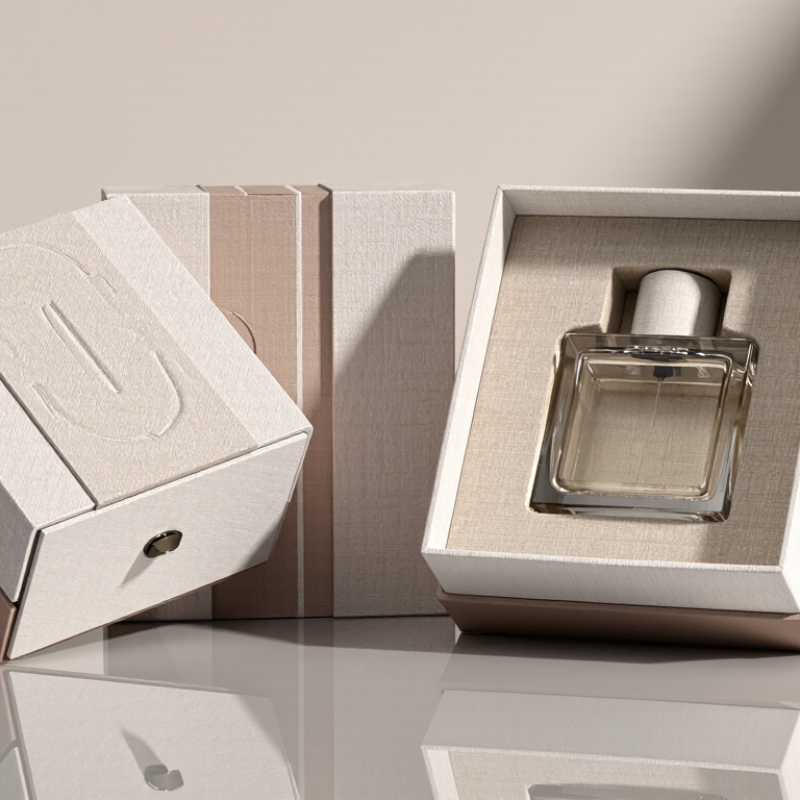
Perfume is sold through scent, memory, and visual expectation. Custom Perfume Boxes help connect these elements before the bottle is opened. A textured sleeve, precise insert, or soft-touch finish can make a small package feel considered. The detail matters. McKinsey & Company’s The State of Fashion: Beauty report projects the global beauty market could approach $590 billion by 2028. It also highlights continued growth in premium and luxury segments. This creates stronger pressure for brands to communicate value at the shelf and online.

Packaging also influences practical decisions. Smithers’ global packaging research identifies sustainability, material efficiency, and premium presentation as major industry priorities. A well-designed perfume box can protect glass bottles during handling, reduce unnecessary movement, and support clearer brand recognition. Recyclable paperboard, water-based coatings, and molded fiber inserts offer useful options. However, material claims require verification. “Eco-friendly” should not become an unsupported promise.

Custom packaging gives brands more control than standard cartons. Dimensions can match the bottle closely. Internal supports can reduce friction. Printed batch details can improve consistency across retail and direct-to-consumer orders. These choices reflect packaging experience, not decoration alone. They also help teams test how a box feels in a customer’s hand.

Still, packaging is not magic. A beautiful box cannot repair weak fragrance quality or poor service. Industry reports provide direction, but market data varies by region, channel, and price tier. The evidence is useful, not perfect. Brands should compare supplier samples, shipping tests, customer feedback, and verified environmental data before committing. Used thoughtfully, Custom Perfume Boxes can turn protection into a credible part of the brand experience.

Why Choose Custom Perfume Boxes for Your Brand?

What Are Custom Perfume Boxes?

Custom perfume boxes are packaging made to fit a fragrance bottle, its presentation, and a brand’s selling environment. Unlike standard cartons, they can match exact bottle dimensions and include protective inserts. This reduces movement during shipping and keeps the glass centered inside the box.

In practical packaging work, details matter. A 50 ml bottle may need a molded paper insert, while a heavier glass bottle needs stronger board. The box may use matte paper, foil details, embossing, or a soft-touch coating. These finishes affect touch, light reflection, and perceived quality. A carefully measured window can also reveal the bottle without weakening the structure.

Custom perfume boxes communicate more than appearance. Their colors, typography, and opening experience can support a consistent product identity. However, custom packaging is not automatically better. A beautiful box may waste material, feel difficult to open, or protect the bottle poorly. That deserves honest review.

Material selection should consider durability, print accuracy, recycling options, and production consistency. Small differences in color can appear between samples and large batches. Testing helps expose these problems early. Drop tests, fit checks, and humidity observations provide practical evidence before distribution. The process is not flawless. Packaging teams sometimes prioritize visual impact and overlook storage space or customer handling. Careful revision makes the final box more dependable.

How Custom Boxes Build a Distinctive Brand Identity

Why Choose Custom Perfume Boxes for Your Brand?

How Custom Boxes Build a Distinctive Brand Identity

A perfume box is often the customer’s first physical contact with a fragrance. Custom packaging turns that moment into a recognizable brand signal. A rigid box with a soft-touch finish, precise logo placement, and a molded insert can communicate care before the bottle is opened. Dotcom Distribution’s 2018 packaging survey found that 40% of consumers were more likely to purchase again after receiving premium packaging. That first impression can influence memory and repeat interest.

Distinctive boxes also create consistency across touchpoints. A signature color, tactile paper, or carefully designed opening sequence can connect the package with a website and retail display. PwC’s 2024 Voice of the Consumer Survey reported that 46% of consumers consider sustainability when making purchases. Recycled board, minimal inserts, and water-based finishes can support that expectation without weakening the visual identity. The details matter.

Custom packaging is not a guaranteed sales solution. Poor structural design may waste materials or make the box difficult to open. In practical packaging reviews, teams should test shelf visibility, transit strength, and hand feel before approving production. Some elegant concepts fail under real shipping conditions. That is an uncomfortable lesson, but it protects both credibility and customer experience.

Why Choose Custom Perfume Boxes for Your Brand?

How Custom Boxes Build a Distinctive Brand Identity

Custom perfume boxes can turn packaging into a visible brand asset by combining recognizable design, premium materials, and clear sustainability signals. The benchmark figures shown here reflect consumer findings reported in Trivium Packaging’s Global Buying Green Report 2021; they are not company- or brand-specific performance data.

Source: Trivium Packaging, Global Buying Green Report 2021. Values represent reported consumer responses.

Which Materials and Designs Suit Perfume Packaging?

Choosing the right material starts with the perfume bottle, not the logo. Thick glass needs rigid board with a molded insert. Slim bottles can use folding cartons, reducing unused space and shipping weight. According to Smithers’ 2024 sustainable packaging analysis, lightweighting and fiber-based structures remain major packaging priorities. That matters when a box feels luxurious but travels through thousands of kilometers.

Paperboard suits brands seeking a tactile, printable surface. FSC-certified fiber, water-based coatings, and recycled content can support a credible sustainability story. However, recycled fibers may show slight color variation. That imperfection needs honest planning. A smooth rigid box creates a stronger unboxing moment, while corrugated board offers better protection with less material. The choice should follow handling tests, not appearance alone.

Design details influence perceived value. A magnetic closure, cotton-textured paper, and a precise bottle cradle can make a small package feel deliberate. Foil stamping adds contrast, but too much can weaken recyclability and raise production complexity. NielsenIQ’s 2023 global sustainability research found that 78% of surveyed consumers consider sustainability important in their purchasing decisions. Still, a beautiful package that cannot be easily separated or recycled may disappoint informed buyers. I would test drop resistance, humidity exposure, and shelf visibility before approving production. Pretty is not enough.

Why Choose Custom Perfume Boxes for Your Brand? - Which Materials and Designs Suit Perfume Packaging?

Packaging Material Typical Structure Protection Level Sustainability Profile Suitable Design Features Relative Cost Best Use Case
Folding Carton Board Paperboard carton with tuck flaps or reverse-tuck closure Moderate; suitable for lightweight and standard glass bottles Widely recyclable when made without plastic laminates, foil, or excessive mixed materials Full-color printing, embossing, debossing, foil accents, spot varnish, and die-cut windows Low to medium Everyday retail perfumes, seasonal collections, and cost-conscious launches
Rigid Paper Box Thick paperboard wrapped with printed or textured paper; often uses a lift-off lid or magnetic closure High; the thicker structure helps reduce crushing and improves presentation Paper-based construction can support recycling; magnets, ribbons, and coatings may require separation Layered interiors, ribbon pulls, textured papers, fabric linings, and premium foil details Medium to high Premium perfumes, gift sets, discovery kits, and unboxing-focused collections
Molded Pulp Insert Fiber-based internal tray shaped to hold the bottle and accessories High for internal cushioning when accurately molded to the bottle dimensions Usually recyclable or compostable depending on additives, coatings, and local facilities Natural fiber texture, custom cavities, paper sleeves, and minimal-ink decoration Medium Eco-conscious packaging and shipping protection for glass fragrance bottles
Corrugated Board Fluted fiberboard with a printed outer liner; commonly used as a shipping carton Very high for transport when paired with dividers or fitted inserts Commonly recyclable if kept clean and free from incompatible coatings or excessive contamination One-color printing, kraft aesthetics, partitions, protective sleeves, and tamper-resistant closures Low to medium E-commerce shipping, subscription boxes, and multipack fragrance deliveries
Plastic Insert Vacuum-formed or injection-molded tray made to fit the bottle High; provides precise positioning and resistance to movement Recyclability depends on resin type, local collection systems, color, and contamination Clear presentation, tight-fit cavities, glossy surfaces, and complex internal geometries Medium Bottles requiring precise restraint or a visible product presentation
Wooden Box Solid or engineered wood case with hinges, sliding panels, or removable lids Very high; rigid walls provide strong impact and compression resistance Reusable and durable; environmental performance depends on wood sourcing, finishes, hardware, and weight Laser engraving, natural grain, stained surfaces, velvet inserts, and reusable closures High Limited editions, collector pieces, high-value gift packaging, and reusable presentation cases
Metal Tin Metal container with a friction-fit or hinged lid and a protective internal tray High; resists crushing and offers a durable secondary container Steel and aluminum are recyclable, although coatings, inserts, and mixed components affect recovery Offset printing, embossed patterns, colored coatings, and reusable storage functionality Medium to high Travel formats, gift sets, collectible packaging, and reusable secondary packaging
Selection guideline: Choose the lightest structure that provides adequate protection for the bottle, prioritize paper-based or recyclable components where appropriate, and design the insert and outer box as a coordinated system to reduce movement, damage, and unnecessary material use.

How Custom Boxes Protect Perfume During Storage and Shipping

Why Choose Custom Perfume Boxes for Your Brand?

Custom perfume boxes do more than display a beautiful product. They help protect fragile bottles during storage and shipping. A well-fitted insert keeps the bottle centered and reduces movement. This matters when parcels face vibration, drops, or pressure from stacked cartons. Strong paperboard also helps resist crushing. I have seen loose packaging create tiny cracks around caps and glass shoulders. Those details are easy to overlook.

Material choice should match the perfume bottle’s weight and shape. Rigid board offers dependable support for heavier glass designs. Corrugated structures may provide better protection for longer delivery routes. Soft inner padding can absorb shocks, while sealed edges help limit dust and moisture exposure. Custom dimensions reduce empty space inside the box. Less movement usually means fewer damaged units. Still, no package is flawless. Testing should include drop checks, compression trials, and storage in changing temperatures.

Tips: Measure the bottle, cap, and insert together. Leave enough clearance for padding, but avoid a loose fit. Use internal supports around delicate shoulders. Check corners after transit tests. A box may look strong and still fail at one weak edge. Review supplier samples before placing a larger order. Small changes in board thickness or insert shape can improve protection without making the package unnecessarily heavy.

How to Choose the Right Custom Perfume Box Supplier

Why Choose Custom Perfume Boxes for Your Brand?

How to Choose the Right Custom Perfume Box Supplier

Custom perfume boxes protect delicate glass bottles and shape the first customer impression. Grand View Research valued the global luxury packaging market at USD 17.92 billion in 2022. It also projects a 6.6% compound annual growth rate through 2030. This pressure makes supplier selection more important.

Choose a supplier with proven experience in fragrance packaging, not only general paper boxes. Request physical samples with your actual bottle dimensions. Check the insert fit, edge quality, print accuracy, and opening experience. A reliable supplier should explain board thickness, coating options, testing methods, and production tolerances. Ask for material certifications and recent quality-control records. Small details matter.

Sustainability needs evidence, not vague promises. Smithers estimates the sustainable packaging market will reach about USD 393.8 billion by 2028. Ask whether the box uses recycled content, responsibly sourced paper, or recyclable finishes. Confirm the adhesive and coating choices too. Some “eco” finishes still complicate recycling. That deserves closer questioning.

Compare minimum order quantities, sampling fees, lead times, and replacement policies. A low unit price may hide expensive setup costs. I have learned that beautiful samples can distract from weak delivery systems. Request a pilot order before committing to large volumes. Inspect ten boxes from different cartons. Imperfections often appear there.

FAQS

What are custom perfume boxes?

Custom perfume boxes are cartons designed around a fragrance bottle’s exact size and shape. They may include protective inserts. The bottle stays centered during shipping.

How do custom boxes protect glass bottles?

Measured inserts reduce movement inside the carton. Heavier bottles may require stronger board and tighter support. Fit checks can reveal loose spaces before production.

Which finishes can custom perfume boxes use?

Common options include matte paper, foil details, embossing, and soft-touch coatings. These finishes change texture, light reflection, and perceived quality. Too many effects may feel excessive.

Can a box include a window?

Yes, a measured window can display part of the bottle. Its size and position must preserve structural strength. A beautiful window is useless if the box collapses.

How can packaging support a distinctive identity?

Consistent colors, typography, paper texture, and opening details create recognizable signals. The box can connect with retail displays and online presentation. Consistency matters.

Are custom perfume boxes always better than standard cartons?

No. Custom packaging may waste materials or become difficult to open. A visually impressive box can still protect the bottle poorly. That deserves honest review.

Which materials should packaging teams evaluate?

Teams should review board strength, print accuracy, recycling options, and production consistency. Recycled board and minimal inserts may support sustainability goals. Materials still need practical testing.

What tests should be completed before production?

Drop tests, fit checks, humidity observations, and shipping reviews provide useful evidence. Teams should also examine storage space and customer handling. Testing is not flawless, but skipping it creates avoidable risks.

Conclusion

Custom Perfume Boxes are specially designed packaging solutions created to present, protect, and promote perfume products. Unlike standard cartons, they can be tailored in size, shape, color, finish, and internal structure to reflect a product’s character and create a memorable unboxing experience. Thoughtful design elements such as elegant typography, textured surfaces, windows, inserts, and refined printing can help establish a distinctive brand identity while communicating quality and attention to detail.

The right materials and construction are also essential for safe storage and shipping. Strong paperboard, rigid board, protective inserts, and secure closures can reduce the risk of scratches, breakage, moisture exposure, and movement during handling. When selecting a supplier, businesses should evaluate material quality, printing capabilities, customization options, production consistency, lead times, pricing, and communication. A reliable supplier should be able to balance attractive design with practical protection, helping create packaging that supports both customer satisfaction and long-term brand recognition.

Charlotte

Charlotte

Charlotte is a highly experienced marketing professional dedicated to helping businesses communicate their value with clarity, credibility, and purpose. With a strong understanding of the company’s products, services, and customer needs, she regularly contributes expert articles to the company......