Custom Mailer Boxes are used to protect, present, and transport products through the final stage of an online purchase. They are common in e-commerce, subscription services, cosmetics, apparel, books, and small retail shipments. Their folding design creates a secure enclosure without requiring a separate shipping carton. That saves space in storage and can reduce packing time.
The real value appears when the package reaches the customer’s doorstep. A printed logo, calm color palette, strong seal, and neatly fitted product can turn an ordinary delivery into a brand experience. Packaging consultant Lisa McTigue Pierce has described packaging as “a brand touchpoint that travels with the product.” That moment matters. A customer may remember the box before remembering the advertisement.
Custom Mailer Boxes also support practical goals. They can include inserts, return instructions, tissue paper, or a simple thank-you card. Different paper grades and protective structures help match the product’s weight and fragility. A candle needs different support from a T-shirt. One design cannot solve every shipping problem.
Still, attractive packaging is not automatically effective. Too much ink, oversized dimensions, or unnecessary inserts can increase material use and delivery costs. A strong box can also disappoint customers if the product arrives poorly secured. This is where experience matters. Brands should test the box with realistic handling, stacking, moisture, and opening conditions. The process is rarely perfect at the first attempt. Thoughtful improvements often come from small failures, customer feedback, and careful measurement.
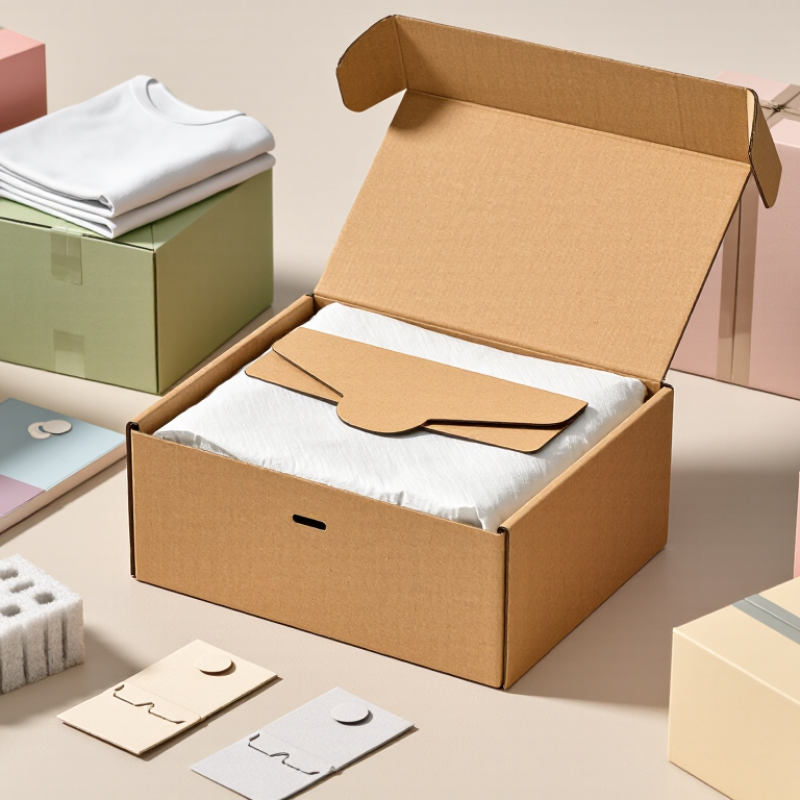
Custom mailer boxes are purpose-built paperboard packages designed to hold products during storage, handling, and delivery. Unlike standard cartons, they match a product’s dimensions, opening style, and presentation needs. Most use folding panels with tuck-in flaps, locking tabs, or glued seams. The lid and base often form one connected piece. This structure creates a clean unboxing experience without requiring separate tape for every shipment. Size matters. A close fit reduces movement, while enough clearance allows protective paper or inserts.
These boxes are commonly used for apparel, books, cosmetics, stationery, subscription items, and small household goods. Their printed surfaces can display instructions, care details, or simple graphics. A practical packaging team should check board strength, product weight, moisture exposure, and stacking pressure before choosing materials. Recycled paperboard may suit lightweight products, while corrugated mailers can protect heavier items. Testing a filled sample is essential. A box that looks sturdy on screen may bend at a corner during delivery.
Custom mailer boxes can also improve warehouse efficiency. Consistent dimensions simplify packing and shelf placement. However, customization is not automatically better. Oversized boxes, excessive inserts, or difficult closures may waste material and frustrate customers. Packing trials often reveal that small changes matter more than decorative features. A clear opening tab, accurate fit, and readable handling note can improve daily use. The design still needs refinement.
They are paperboard packages designed around a product’s size and delivery needs. Many use folding panels, tuck-in flaps, locking tabs, or glued seams. The lid and base often connect. Size matters.
They suit apparel, books, cosmetics, stationery, subscriptions, and small household goods. They work best for lightweight or moderately sized products. Heavier items may need stronger corrugated construction. Test the packed box.
Measure the product’s length, width, height, and shipping weight. Leave space for protective paper or inserts. Avoid large empty areas that allow movement. A close fit reduces dents.
Consider board strength, flute type, moisture exposure, and stacking pressure. Recycled paperboard may suit lightweight products. Corrugated mailers can support heavier contents. Weak material creates costly damage.
A clear opening tab can reduce frustration. A clean interior makes the product easier to find. Printed care instructions or recycling guidance can answer simple questions. Keep it simple.
No. Decorative features cannot fix poor protection or a confusing opening. An oversized box may feel wasteful. A difficult tear strip can ruin an otherwise polished delivery. That is a useful failure.
Test a filled sample during compression, vibration, drop, and handling checks. Inspect corners, closures, folds, and product movement. Open the box several times. Screenshots cannot show every weakness.
Use accurate dimensions and limit unnecessary inserts. Compare material, storage, packing labor, returns, and disposal costs. A cheaper unit price may not be cheaper overall. Order a small trial batch.
Printed surfaces can show instructions, care details, recycling guidance, or simple graphics. Use readable text and leave shipping information easy to scan. Avoid finishes that interfere with labels. Clarity beats decoration.
Teams may over-polish the exterior while ignoring packing speed or closure reliability. Cold warehouses can weaken some adhesive strips. Small changes often improve daily use more than elaborate artwork. The design may still need refinement.
Custom Mailer Boxes are purpose-built packaging solutions designed to protect products during shipping while presenting a consistent and professional brand image. They are typically made from durable corrugated material and can be tailored in size, shape, color, printing, and closure style. During manufacturing, businesses select suitable materials and structural designs based on product weight, dimensions, and shipping requirements. Their secure construction makes them suitable for sending clothing, cosmetics, books, accessories, subscription items, small electronics, and various retail products.
Beyond protection, Custom Mailer Boxes help improve branding and customer experience through attractive graphics, clear product information, and thoughtful interior details. A well-designed box can make the unboxing process more memorable and communicate reliability. When choosing mailer boxes, businesses should consider product fit, material strength, shipping conditions, customization options, production quantity, cost, storage space, and sustainability. Balancing appearance, functionality, and environmental responsibility helps create packaging that supports both operational efficiency and long-term customer satisfaction.