Global gift packaging is becoming more deliberate in 2026. Buyers want Rigid Gift Boxes that protect products, express brand values, and survive long-distance distribution. A magnetic closure may create a premium opening moment. A deep-drawer structure may suit jewelry, cosmetics, or specialty food. However, attractive design alone does not guarantee commercial success.
Performance matters.
David Luttenberger, a respected packaging-industry analyst, has described packaging as “the silent salesperson.” That idea remains useful for global buyers. A rigid box communicates quality before the customer touches the product. Its paper texture, corner precision, insert fit, and opening sound all influence perception. These details become especially important in crowded retail displays and online product photography.
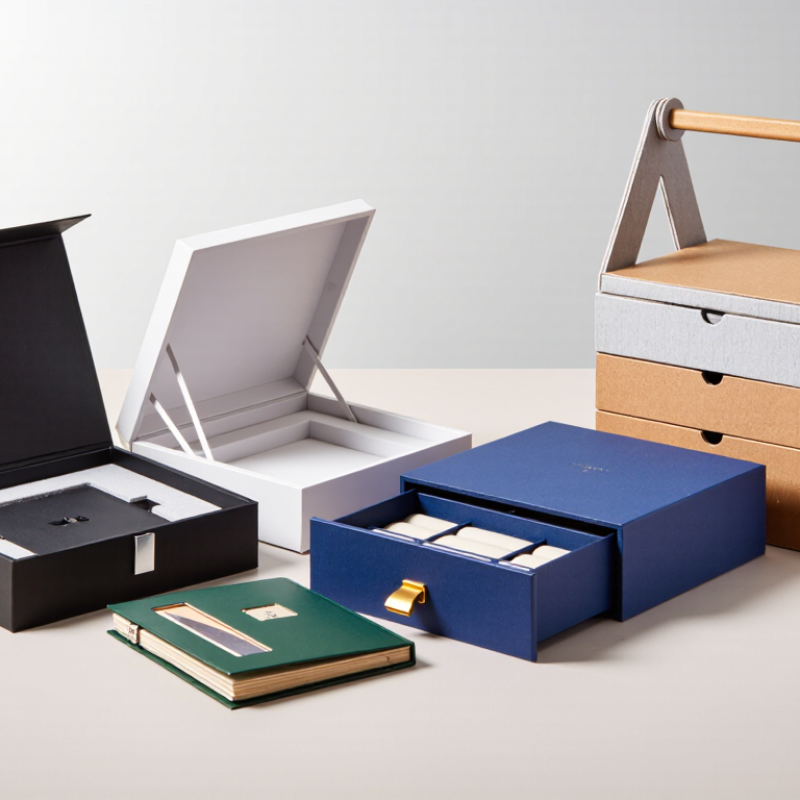
This guide examines the leading Rigid Gift Boxes types expected to attract international attention in 2026. It considers magnetic boxes, lift-off lid boxes, drawer boxes, book-style boxes, shoulder-neck boxes, and custom modular designs. Each format offers different advantages in presentation, assembly, storage, and shipping efficiency. Sustainability will also shape purchasing decisions, including recyclable papers, reduced plastic components, and responsible material sourcing.
Yet no format is perfect. A heavier box can feel luxurious but increase freight costs. A complex structure can impress customers but slow production. Some eco-friendly choices may also create durability concerns. Global buyers should test samples, review supplier capabilities, and measure the full packaging journey before committing. The best choice is not always the most beautiful one. It is the box that balances protection, appearance, cost, and practical responsibility.
Rigid Gift Boxes: Definition, Structure, and Core Characteristics
A rigid gift box is a premium container made from thick paperboard, usually wrapped with printed paper, fabric, or specialty film. Unlike folding cartons, it keeps its shape during handling. Its structure commonly includes a greyboard shell, wrapped exterior, fitted tray, and separate lid. Magnetic closures, ribbons, foam inserts, and molded paper supports can improve presentation and product protection.
The box feels substantial.
Smithers’ 2024 report, The Future of Luxury Packaging to 2028, forecasts luxury packaging growth from about US$17.6 billion in 2023 to US$21 billion by 2028. This trend supports continued demand for rigid gift packaging with refined surfaces and precise construction. Mordor Intelligence estimates the wider rigid packaging market will expand at about 5.1% annually from 2024 to 2029. Gift boxes remain a smaller segment, but they benefit from the same demand for durability and visual impact.
In practical sourcing, board thickness, corner accuracy, lid tolerance, and insert stability matter most. A box may look elegant yet fail when the lid fits too tightly. Some suppliers also overstate recyclable content. The Global Packaging Trends report by Two Sides found that many consumers still associate paper and cardboard with better environmental performance. However, laminated films, magnets, foams, and mixed materials can complicate recycling. Buyers should request material specifications, compression testing, coating details, and sample approval before production. Small defects become obvious on a rigid box.
This chart compares industry-typical greyboard thickness ranges used in major rigid gift box structures. Magnetic and book-style boxes generally use thicker boards because their hinged or reinforced constructions require additional rigidity. Final specifications vary according to product weight, box dimensions, inserts, closure design, and protection requirements.
Global buyers are choosing rigid gift boxes for protection, presentation, and reliable shelf appeal. Book-style boxes suit cosmetics, candles, and small electronics. Their hinged lids open smoothly and create a premium unboxing moment.
Magnetic closure boxes offer a firm finish, but weak magnets can disappoint customers. Drawer-style boxes work well for jewelry, tea, and compact accessories. Their sliding movement feels thoughtful when the fit is accurate.
Shoulder-neck boxes provide strong visual layering and better product support. They are useful for heavier gifts or items needing extra internal structure.
Folding rigid boxes save storage space during shipping, although their corners may show pressure marks if packed poorly. In my experience, buyers should test box strength with real products, not empty samples. A beautiful box can still fail after long-distance transport. That lesson is easy to overlook.
Tips: Ask suppliers for material details, color samples, and compression-test results. Check whether paper surfaces resist fingerprints and light moisture. Confirm the box dimensions after adding inserts. Recyclable paper structures may support sustainability goals, but mixed materials can complicate disposal. Keep decoration practical. Excessive foil, ribbons, or layered parts may increase cost and damage risk. Small flaws sometimes appear during production, so approve a final sample before mass manufacturing.
Rigid gift boxes in 2026 are becoming more tactile, practical, and resource-conscious. A 1.2–2.5 mm greyboard core offers strong compression resistance for cosmetics, electronics, and premium foods. Recycled board can reduce virgin material use, but its surface may show slight color variation. That imperfection needs honest approval before production.
Kraft paper wrapping creates a natural appearance, while smooth coated paper supports sharper printed details. Molded fiber inserts are also useful when buyers want plastic-free protection.
Finishes change how customers judge quality. Matte lamination feels calm and hides fingerprints. Soft-touch coating feels luxurious, but it can mark during transport. Foil stamping adds contrast to small logos, while embossing gives a raised texture under direct light. Spot varnish can highlight a pattern without covering the entire lid.
In our packaging evaluations, physical samples reveal problems that digital artwork cannot. Color matching, lid alignment, and corner wrapping should be checked under warehouse lighting.
Tips:
Request a full-size prototype before ordering. Test the box with its actual product, insert, and shipping carton. Keep foil areas away from sharp folds.
Choose magnetic closures only when repeated opening justifies their added material and cost.
Customization may include ribbon pulls, compartments, window cutouts, printed interiors, and tailored dimensions.
However, too many features can weaken the structure or slow assembly. Simple designs often perform better.
Selecting a rigid gift box starts with the product, not the decoration. A heavy glass bottle needs a strong two-piece lid-and-base box with a fitted insert. Small jewelry often suits a compact drawer box, because the sliding opening feels controlled and premium. For cosmetics, a magnetic-closure box can support repeated opening without damaging the outer surface.
In packaging trials, I check product weight, dimensions, opening habits, and shipping distance together. A shoulder-neck box adds structure around tall products, while a book-style box works well for sets and storytelling. Soft foam protects fragile items, but molded paper pulp may better suit markets seeking lower plastic use. The right choice depends on cost, moisture, stacking, and return risks.
Market expectations also change the box decision. Gift buyers in some regions prefer elaborate layers and ribbon space. Others value compact packaging that fits apartment storage and parcel networks. A rigid box that looks impressive in a showroom may become wasteful during long-distance delivery. I have seen attractive prototypes fail because the lid loosened after repeated testing. That mistake matters. Test closure strength, corner durability, insert fit, and surface wear before approving large production. Use clear measurements, material samples, and documented inspection records. Packaging should feel special, but it must also survive real handling.
2026 Top Rigid Gift Box Types for Global Buyers?
Global buyers are choosing shoulder-neck, drawer, magnetic-closure, and book-style rigid boxes. Each format suits different products, transport routes, and retail expectations. A beautiful box still needs disciplined sourcing.
Request structural drawings, material specifications, and pre-production samples before placing large orders. Confirm board thickness, paper grain, adhesive type, and dimensional tolerances. Compression, edge-crush, and drop tests can reveal weak corners or loose lids. For export shipments, testing should reflect the product’s weight and actual handling conditions.
Quality systems matter across borders. Suppliers with documented inspection procedures and traceable batch records offer stronger reliability. Ask for test reports, not only attractive sample photos. Paper from responsibly managed forests may support sustainability goals, while recycled board can reduce virgin material use. However, laminated films, magnets, foam inserts, and mixed adhesives may complicate recycling. “Eco-friendly” should never remain an unsupported claim.
Packaging teams should also review moisture resistance, print consistency, and carton efficiency. A small color variation may become obvious across thousands of boxes. I have seen projects approve a perfect prototype, then discover warped panels during humid-season production. That mistake was avoidable. Sustainability decisions sometimes require compromise. A thinner board may save material but reduce protection, creating more waste through damage and replacement.
Book-style boxes work well for cosmetics, candles, and compact electronics. Their hinged lids open smoothly. They create a clear unboxing moment.
Choose them for products opened repeatedly, such as cosmetics or gift sets. Test the magnets several times. Weak closures can disappoint customers.
Drawer-style boxes suit jewelry, tea, and compact accessories. The sliding movement feels controlled and thoughtful. Accurate fitting matters greatly.
Shoulder-neck boxes add visual layering and internal support. They suit heavier gifts and tall products. A fitted insert still remains necessary.
Yes, folding structures can save storage space during transport. Poor packing may leave pressure marks on corners. Test them with real cartons.
A 1.2–2.5 mm greyboard core offers useful compression resistance. Recycled board may show slight color variation. Approve that appearance honestly.
Matte lamination hides fingerprints and feels calm. Soft-touch coating feels premium but may mark during transport. Foil and embossing need careful placement.
Request a full-size prototype with the actual product and insert. Check lid alignment, corner strength, closure force, and surface wear. Test under warehouse lighting.
Recyclable paper structures may reduce disposal concerns. Mixed materials can complicate recycling. Molded paper inserts may reduce plastic use, but protection must remain reliable.
Do not judge strength from an empty sample. A beautiful box may fail after long-distance transport. I have overlooked shipping pressure before. Real handling reveals more.
Rigid Gift Boxes are premium packaging solutions built with a sturdy paperboard structure that protects products while creating a refined unboxing experience. This overview introduces major box formats for global buyers in 2026, including lift-off lid boxes, magnetic closure boxes, drawer-style boxes, folding rigid boxes, and multi-piece presentation sets. It also explains how construction, dimensions, inserts, and opening styles can be adapted for different product categories and retail environments.
The article reviews material choices, surface finishes, printing methods, embossing, foiling, and other customization options that influence appearance, durability, and cost. It further outlines how to match box types with product size, weight, protection needs, target market, and brand positioning. For international sourcing, buyers should evaluate manufacturing consistency, structural testing, color control, packaging safety, communication, lead times, and sustainability factors such as recyclable materials, reduced plastic use, responsible paper sourcing, and efficient shipping design.