0%

China has become a major sourcing base for flexible packaging, but identifying a top Custom Mylar Bags manufacturer takes more than comparing prices. Buyers also need to assess barrier performance, print quality, sealing consistency, and traceability. A pouch can look flawless on screen and still fail at the seal.

The market context is substantial. Grand View Research estimated the global flexible packaging market at USD 268.4 billion in 2023, with projected annual growth of 4.4% from 2024 to 2030. This estimate covers flexible packaging broadly, not Mylar bags alone, so it should not be treated as a direct measure of demand for any single pouch type. Still, it signals why supplier capacity and quality controls matter. Details matter.

“ Mylar” is commonly used to describe polyester film, though MYLAR is a trademark. A finished bag may combine several materials, so buyers should request a clear layer structure, thickness specifications, and product-specific test results. Ask how the factory checks seal strength and manages color consistency between print runs. Request samples, too. A sample is useful, but it cannot prove that every production batch will match.

For this guide, “top” means a manufacturer that can document its capabilities, communicate limits, and provide repeatable quality—not simply one with an attractive catalog. I would be cautious of claims without supporting records. Supplier selection still involves judgment, and no checklist replaces independent verification.
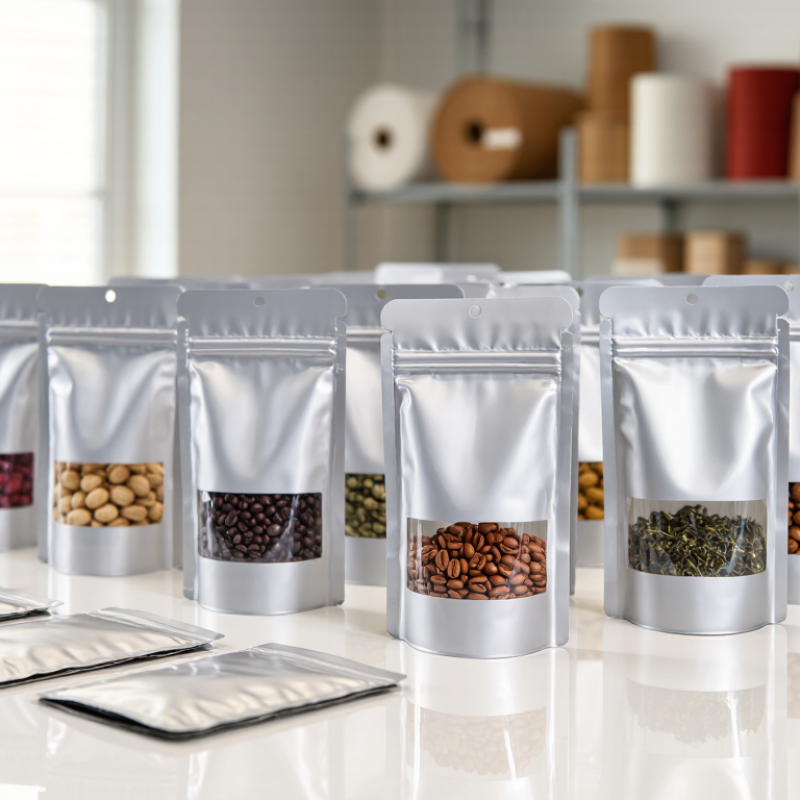
China Top Custom Mylar Bags Manufacturer?

What Defines a Custom Mylar Bag?

A custom Mylar bag is usually a pouch made from polyester-based laminate, specified for a product and filling process. “Custom” can mean more than printed artwork. It includes dimensions, film layers, thickness, seal style, opening, and barrier performance. Each choice affects how the pouch feels, seals, and protects its contents.

The Flexible Packaging Association’s 2024 State of the Industry report put U.S. flexible-packaging sales at $42.9 billion in 2023. That figure reflects a broad packaging sector, not Mylar bags alone. For an individual pouch, the useful question is whether its structure suits the product’s moisture, oxygen, light, and handling needs. A polyester outer layer may support printing, while a sealant layer helps create a dependable closure. Some structures include foil or metallized film, but extra layers can raise cost and complicate recycling. A specification can look perfect on paper and still need adjustment on the filling line.

Tips: Share a sample product, target dimensions, and filling method with your manufacturer. Ask for a material specification and trial samples. Check the seals by hand; small wrinkles can matter.

Materials, Barrier Properties, and Manufacturing Processes

Custom flexible pouches are built from layered films, not one universal material. Polyester often provides a printable outer surface and stiffness. Polyethylene may form the inner sealing layer, while nylon can add puncture resistance. Metalized film or aluminum foil can reduce light, oxygen, and moisture exposure, but their performance differs.

Barrier levels depend on the full structure, thickness, and seal quality. A shiny surface alone does not prove strong protection. Manufacturers should match the laminate to the product’s sensitivity and storage conditions, then verify it with suitable oxygen and moisture transmission tests. Small defects matter. During production, films are unwound, printed, laminated, cured, slit, and converted into bags. Heat, pressure, and sealing time need careful control; dust or wrinkles near the seal can weaken it. Results can vary, so sample testing is worth the extra time.

Tips: Ask for the material structure, test data, and intended storage conditions. Check seal strength and pouch dimensions on production samples. Not every structure fits. A thicker laminate may improve durability, yet it can raise cost and reduce flexibility. The practical choice is the lightest structure that meets verified barrier and handling needs.

China Top Custom Mylar Bags Manufacturer? - Materials, Barrier Properties, and Manufacturing Processes

Typical Bag Structure Material Roles Relative Barrier Properties Common Manufacturing Process Typical Considerations
PET / PE PET provides a printable, relatively stiff outer layer; PE commonly forms the heat-sealable inner layer. Moderate moisture and gas protection compared with high-barrier foil or metallized laminates. Exact performance depends on film grade and thickness. Film printing, adhesive lamination, curing, pouch conversion, and heat sealing. A common general-purpose laminate; not usually selected when very long shelf life or strong oxygen protection is required.
BOPP / CPP BOPP is a printable oriented polypropylene outer film; CPP can provide a heat-sealable inner layer. Generally good moisture-vapor protection, but comparatively limited oxygen and aroma protection without additional barrier layers. Printing, lamination, slitting, pouch forming, and heat sealing. Often used for dry products where moisture control and presentation are priorities; temperature resistance varies by film grade.
PET / metallized PET / PE PET supports printing and handling; metallized PET adds a thin deposited metal layer; PE provides the sealant surface. Typically offers improved oxygen, moisture, and light protection over uncoated PET/PE, but usually less absolute protection than an intact aluminum-foil layer. Vacuum metallization of film, printing, adhesive lamination, curing, and pouch conversion. Barrier performance can be affected by metallization quality, flexing, pinholes, laminate construction, and seal integrity.
PET / aluminum foil / PE PET is the printable outer layer; aluminum foil provides the principal barrier; PE is commonly used for heat sealing and product contact. Very high protection against light, oxygen, moisture, and aroma when the foil remains continuous and the seals are sound. Printing, foil-laminate bonding, curing, slitting, pouch conversion, and controlled heat sealing. Foil can crease or develop pinholes if mishandled; finished-pack performance also depends on seals, closures, and pouch design.
PET / PA / PE PET provides printability; PA (polyamide/nylon) contributes toughness and puncture resistance; PE provides the sealant layer. PA can provide useful oxygen resistance when relatively dry, but its oxygen-barrier performance can decline as humidity increases. It is not a light barrier. Film printing, adhesive or co-extrusion lamination, curing where applicable, and pouch conversion. Useful where toughness matters; barrier suitability should be checked under the product’s expected humidity and storage conditions.
PET / EVOH-containing layer / PE EVOH (ethylene vinyl alcohol) provides a high oxygen barrier; surrounding polymer layers help protect it from moisture and form the sealant surface. Can provide strong oxygen and aroma protection when the EVOH layer is appropriately protected; performance is sensitive to moisture exposure and construction. Co-extrusion or lamination of the barrier structure, followed by printing as designed and pouch conversion. The precise layer arrangement is important; confirm the intended barrier performance with specifications and testing for the finished package.
Common pouch-converting steps Laminated roll stock is converted into flat pouches, stand-up pouches, or other formats; zippers, valves, and tear notches may be added if specified. Cutting, folds, fitments, and seal areas can affect the finished package’s barrier and leak performance. Slitting, web alignment, pouch forming, fitment insertion if required, heat sealing, trimming, and inspection. Seal temperature, pressure, dwell time, material compatibility, and inspection controls must match the chosen laminate and pouch design.

Barrier descriptions are comparative, not guaranteed specifications. Actual oxygen-transmission and water-vapor-transmission rates depend on the exact film grade, layer thickness, processing, test conditions, pouch geometry, and seal quality. Verify performance using supplier technical data and testing of the finished package.

Customization Options and Common Packaging Applications

Custom Mylar bags can be tailored by size, film thickness, barrier layers, and finish. Choose a stand-up pouch for shelf display or a flat pouch for compact storage. Zippers support repeated opening, while tear notches make single-use packs easier to open. A clear window can show the product, but it may reduce light protection. Small details matter. Confirm the filled dimensions, not just the empty bag size, before approving production.

Common applications include coffee, tea, dried fruit, snacks, and powdered drink mixes. Cosmetic powders and small hardware can also use these pouches when the material suits the product. Matte film gives a soft, subdued look; glossy film makes printed colors appear brighter. A glossy finish looks polished, though scuffs can be more noticeable during shipping. Barrier needs vary, so request material details and test a sample with the actual contents. Fit comes first.

Tips: Ask for a sample with the intended zipper, seal, and print. Check whether it stands evenly on a shelf. If the first proof looks perfect, inspect it again under ordinary store lighting; colors can appear different there.

How to Evaluate a Chinese Mylar Bag Manufacturer

A reliable Chinese Mylar bag manufacturer should be evaluated through evidence, not a polished catalog. Ask for the exact laminate structure, thickness, dimensions, and zipper specifications for your product. Request samples made with the same materials and printing process as the planned order. Check seal strength, pouch dimensions, and whether the bag stands evenly when filled. Small details matter. A few millimeters can affect fit and packing speed.

Tips: Share a clear specification sheet and request a written quotation. Ask for recent test reports, production lead times, quality-control steps, and material traceability. Compare the sample with the approved artwork under normal lighting. Keep notes; memory is unreliable.

A factory tour, video call, or independent inspection can help confirm that equipment and production capacity match the supplier’s claims. Ask how defects are recorded and what happens when a batch fails inspection. Discuss payment terms, sample charges, and packaging details before placing an order.

I would not treat one successful sample as proof of consistent mass production. That is easy to overlook. Agree on acceptable tolerances and inspection criteria in writing, then check them against a production sample.

Even a careful checklist can miss something, so leave time for a second review.

Quality Standards, Certifications, and Sourcing Considerations

China Top Custom Mylar Bags Manufacturer?
Quality Standards, Certifications, and Sourcing Considerations

Quality starts with a clear specification, not a polished sample. Define the bag’s dimensions, laminate structure, thickness, seal width, and closure type before comparing quotes. For products sensitive to moisture or oxygen, ask for relevant barrier-test results and confirm the test method. Request samples from the intended production site. Check seals by hand, inspect print alignment, and compare measurements across several bags. Small details matter. A certificate can support a supplier’s credibility, but it does not guarantee consistent output. Verify its scope, issuing body, facility, and validity dates, then ask how production records and batch checks are maintained.

Sourcing also depends on practical fit. Discuss minimum order quantities, tooling charges, lead times, payment terms, and how defects are handled. Ask whether the supplier will notify you before changing materials, equipment, or production locations. A small pilot order can reveal issues that a sample cannot, such as uneven seals or color variation across a run. Keep written specifications and approved samples for later comparison. Ask for evidence. Not every supplier will provide equally detailed records, and that difference deserves attention. I would not treat the lowest quote as the best value without checking what is excluded. A careful review takes time, and even then, the first production run may teach you something you missed.

The chart compares publication or issue years, not supplier quality scores. When sourcing flexible pouches, confirm which standards apply to the product and destination market, and request current certificates with a scope that covers the manufacturing site and relevant packaging operations.

FAQS

What is a custom Mylar bag?

It is a pouch made from a polyester-based laminate. Custom options can include size, film layers, thickness, seals, and barrier performance.

Which details should I choose before ordering?

Define the filled dimensions, material structure, seal width, and closure type. Fit comes first. An empty pouch can look right but hold less than expected.

What pouch style suits different products?

Stand-up pouches work well for shelf display. Flat pouches take less storage space. Zippers allow repeated opening, while tear notches suit single-use packs.

How do I choose a barrier structure?

Consider the product’s exposure to moisture, oxygen, and light. Ask for material details and relevant test results. Extra layers may raise costs and complicate recycling.

Can a clear window affect protection?

Yes. A window shows the product, but may reduce light protection. Test a sample with the actual contents before approving it.

What should I check on a sample?

Inspect the print, measurements, and seals. Look for small wrinkles and uneven edges. Check the filled pouch under ordinary store lighting, too.

Do certificates guarantee consistent production?

No. Check the certificate’s scope, issuing body, facility, and validity dates. Ask how batches are checked. A certificate alone is not enough.

What can a pilot order reveal?

It can show color variation or uneven seals across a production run. Keep the approved sample and written specifications for comparison. The first run may still teach you something you missed.

Conclusion

Custom Mylar Bags are flexible packaging solutions designed to protect products from moisture, oxygen, light, and other environmental factors. Their performance depends on the materials used, the structure and thickness of barrier layers, and manufacturing processes such as lamination, printing, and sealing. Buyers can tailor bag size, shape, closure, finish, and printed design to suit different products and packaging needs, from food and household goods to personal-care items and small components.

When evaluating a Chinese manufacturer, consider its production capabilities, quality-control procedures, communication, lead times, and ability to provide samples. Ask how materials and barrier performance are verified, and review relevant quality standards and certifications where applicable. Clear specifications, transparent pricing, dependable testing, and careful supplier checks can help buyers assess product consistency and make informed sourcing decisions.

Ethan

Ethan

Ethan is a dedicated marketing professional with a strong understanding of the company’s products, customers, and industry landscape. Through years of experience in market research, content strategy, and customer communication, he transforms complex product information into clear, practical, and......