Luxury Skincare Packaging has become a strategic part of premium beauty branding. China now offers sophisticated capabilities, competitive production, and broad customization options. This guide explores China’s top 10 luxury skincare packaging suppliers and their practical strengths. The selection considers design quality, manufacturing experience, material control, and export reliability. It also examines glass bottles, jars, airless pumps, droppers, caps, and complete packaging sets. Beautiful packaging alone is not enough. A heavy glass jar must still protect the formula and survive international shipping.
Each supplier is assessed through visible business factors. These include sampling speed, minimum order quantities, decoration methods, quality systems, and communication standards. Details such as frosted glass, hot stamping, silk screening, magnetic closures, and refillable components can influence a brand’s final decision. Production consistency matters too. One excellent prototype does not guarantee stable mass production. Buyers should request samples, inspection records, material specifications, and confirmed lead times. Small details often reveal serious expertise.
This ranking is useful, but it is not absolute. Supplier capabilities, prices, and minimum orders can change over time. Some companies may excel at luxury glass, while others perform better with sustainable materials or innovative pumps. That limitation deserves attention. The best partner depends on the product formula, target market, budget, and brand positioning. Responsible sourcing also requires checking applicable packaging, labeling, recycling, and product safety requirements in each destination country. With careful verification, this overview can help skincare brands compare credible Chinese manufacturers and choose packaging that feels premium, performs reliably, and supports long-term customer trust.
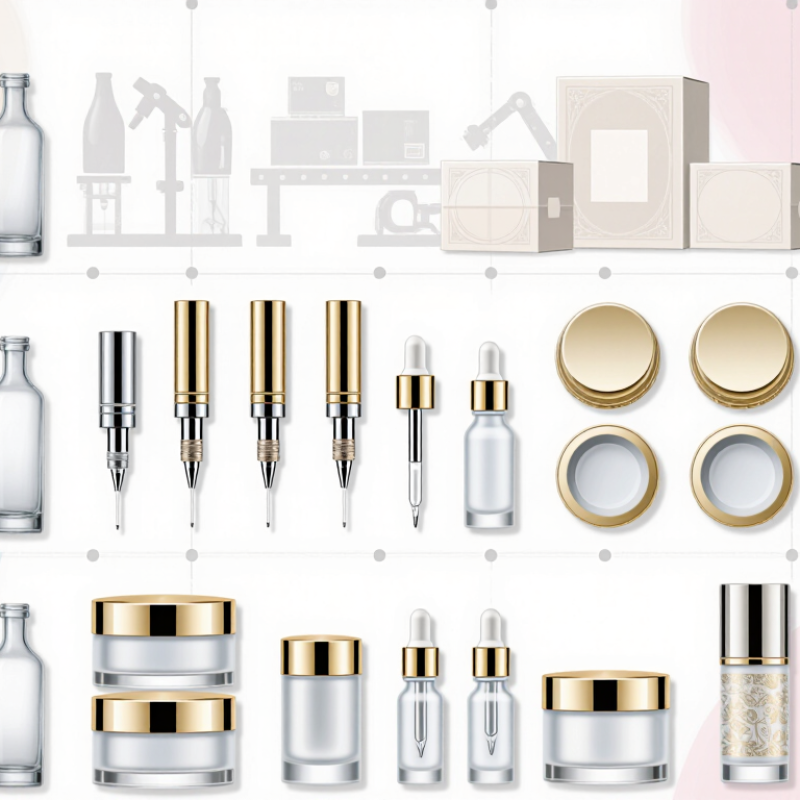
Luxury skincare packaging suppliers in China are specialized manufacturers that develop, produce, and manage packaging for premium skincare products. They are not merely vendors. Their role combines industrial design, material knowledge, production control, and supply coordination. Typical products include glass jars, airless pumps, droppers, caps, cartons, and decorative components. Each part must protect the formula while expressing quality through weight, texture, color, and precision.
A dependable supplier begins with a clear technical brief. It may check glass thickness, pump dosage, closure torque, coating adhesion, and component compatibility. These details matter. A heavy jar can feel valuable, yet it may break during transport. A beautiful coating can also scratch after repeated handling. Sample testing, aging tests, and production inspections help reveal these risks before shipment. Reliable teams keep approval records, material specifications, and batch traceability. They also explain limitations instead of promising perfect results.
The supplier’s role continues beyond manufacturing. It may coordinate molds, sample revisions, packaging assembly, and delivery schedules. Experienced engineers can suggest simpler structures when a design is difficult to produce consistently. That advice can reduce waste and unexpected costs. Still, the industry is not flawless. Color variation, delayed samples, or small fitting issues may appear. Honest communication and documented corrective action build stronger partnerships. Luxury packaging is therefore a controlled process, not just an attractive surface.
| No. | Supplier Profile | Definition and Primary Role | Typical Packaging Materials | Luxury Decoration Capabilities | Sustainability Options | Common Quality and Compliance Support | Typical MOQ Range | Typical Lead Time | Common Export Support | Best-Fit Product Applications |
|---|---|---|---|---|---|---|---|---|---|---|
| 1 | Full-Service Glass Packaging Manufacturer | Develops and produces primary containers while coordinating tooling, decoration, inspection, and delivery for premium skincare projects. | Glass jars, serum bottles, lotion bottles, droppers, closures, and matching caps. | Color coating, frosting, silk screening, hot stamping, metallization, internal spraying, and precise labeling. | Recycled glass content, lightweight designs, recyclable glass bodies, and removable components where technically suitable. | Dimensional inspection, leakage testing, coating adhesion testing, color matching, and production batch traceability. | 10,000–50,000 units | 35–60 days after artwork and sample approval | Export cartons, palletization, shipping documentation, and container-loading coordination. | Anti-aging creams, facial serums, premium moisturizers, and gift sets. |
| 2 | Specialist Airless Packaging Supplier | Provides airless dispensing systems designed to limit product exposure to air and improve dosage consistency. | Airless bottles, airless jars, pump cartridges, polypropylene components, and multilayer containers. | Matte and gloss coating, gradient spraying, UV printing, hot stamping, metallic effects, and customized actuator colors. | Mono-material options, reduced-material pumps, refill-compatible structures, and lightweight component designs. | Dose consistency checks, vacuum function tests, compatibility testing, actuator performance testing, and drop testing. | 5,000–30,000 units | 30–55 days after specification confirmation | Technical packaging files, component specifications, carton standards, and international freight coordination. | Retinol creams, vitamin C products, peptide formulas, emulsions, and sensitive-skin treatments. |
| 3 | Custom Cosmetic Jar Manufacturer | Designs and manufactures decorative jars that emphasize weight, tactility, shelf presence, and premium opening experiences. | Thick-wall glass, ceramic-look materials, acrylic, polypropylene, aluminum components, and mixed-material jars. | Double-wall construction, sculpted profiles, electroplating, rubberized coating, embossing, and decorative inserts. | Refillable inner cups, recyclable glass, reduced decorative layers, and separable lid components. | Torque testing, jar and lid fit checks, visual inspection, surface testing, and compatibility testing with creams. | 10,000–40,000 units | 40–70 days for customized tooling | Pre-production samples, export packaging, barcode application, and multi-market labeling coordination. | Night creams, luxury face creams, masks, balms, and intensive treatment products. |
| 4 | Premium Dropper and Serum Bottle Supplier | Supplies calibrated dropper systems and small-format bottles for precise application and premium serum presentation. | Glass serum bottles, pipettes, elastomer bulbs, plastic droppers, metal collars, and protective caps. | Frosting, transparent color coating, screen printing, hot stamping, aluminum finishing, and high-precision color matching. | Recyclable glass, reduced plastic use, simplified component structures, and refill-oriented bottle systems. | Drop-volume testing, closure torque testing, leakage inspection, chemical compatibility, and transit simulation. | 10,000–60,000 units | 25–50 days for standard molds; longer for new tooling | Small-format export packing, protective dividers, documentation support, and shipment consolidation. | Facial oils, concentrated serums, botanical extracts, and spot-treatment products. |
| 5 | Refillable Skincare Packaging Developer | Creates packaging systems with replaceable inner components to support repeated use and reduce packaging waste. | Glass outer shells, refill cups, aluminum, polypropylene, bio-based plastics, and elastomer seals. | Engraving, embossing, anodizing, soft-touch coating, laser marking, and premium metallic finishes. | Replaceable refills, durable outer packs, mono-material designs where possible, and reduced secondary packaging. | Refill fit testing, cycle testing, sealing tests, drop tests, material compatibility, and dimensional control. | 15,000–50,000 units | 45–75 days for new refill systems | Assembly instructions, component identification, refill packing plans, and international product documentation. | Prestige creams, facial concentrates, solid skincare, and sustainable luxury collections. |
| 6 | Decorative Plastic Packaging Manufacturer | Produces lightweight plastic containers with complex shapes, integrated closures, and scalable mass-production capability. | PP, PET, HDPE, acrylic, ABS, PCR plastic, and multilayer plastic structures. | Injection color matching, UV printing, metallization, vacuum coating, silk screening, and soft-touch finishes. | Post-consumer recycled content, lightweighting, recyclable resin selection, and reduced-component designs. | Material verification, dimensional inspection, leak testing, drop testing, color evaluation, and assembly checks. | 20,000–100,000 units | 30–60 days after mold and artwork approval | High-volume production planning, pallet specifications, container loading, and export documentation. | Cleansers, lotions, body care, travel-size products, and high-volume skincare lines. |
| 7 | Metal Component and Closure Supplier | Manufactures premium caps, collars, lids, and decorative components that add weight, durability, and visual distinction. | Aluminum, zamak, stainless steel, tinplate, and metal-plastic composite structures. | Anodizing, brushed finishes, polishing, laser engraving, electroplating, embossing, and color coating. | Recyclable metal components, reduced-plating designs, durable closures, and detachable mixed-material parts. | Surface inspection, dimensional checks, corrosion testing, thread and fit testing, and color consistency checks. | 10,000–50,000 pieces | 35–65 days for customized components | Protective separators, anti-scratch packing, component counting, and consolidated shipment services. | Glass jars, serum bottles, perfume-inspired skincare, and premium limited editions. |
| 8 | Integrated Tube and Pump Packaging Supplier | Combines tube production, dispensing pumps, decoration, and assembly for hygienic and convenient skincare formats. | Plastic tubes, laminated tubes, aluminum tubes, airless tubes, flip-top caps, and pump dispensers. | Offset printing, flexographic printing, hot stamping, matte varnish, spot gloss, and metallic effects. | Recyclable tubes, reduced plastic caps, PCR materials, thinner walls, and aluminum tube alternatives. | Seal integrity testing, pump output testing, tube burst testing, print rub testing, and closure compatibility checks. | 20,000–150,000 units | 25–55 days depending on decoration and assembly | Batch coding, carton packing, multilingual artwork checks, and shipping coordination. | Eye creams, hand creams, masks, cleansers, sunscreens, and professional treatment products. |
| 9 | Sustainable Paper and Secondary Packaging Supplier | Designs premium cartons, rigid boxes, inserts, and presentation packaging that protect and elevate primary containers. | FSC-certified paperboard, recycled board, molded pulp, corrugated board, paper inserts, and textile-free finishing materials. | Foil stamping, embossing, debossing, spot UV, textured papers, magnetic closures, and structural folding effects. | Recycled or responsibly sourced fibers, plastic-free inserts, water-based coatings, and recyclable constructions. | Color proofing, compression tests, crease accuracy, print inspection, structural testing, and barcode verification. | 3,000–30,000 boxes | 20–45 days after artwork approval | Flat-pack or assembled delivery, pallet optimization, labeling support, and protective export packing. | Gift sets, discovery kits, premium launches, subscription boxes, and retail presentation packs. |
| 10 | End-to-End Packaging Development Partner | Coordinates concept design, prototyping, tooling, component sourcing, decoration, assembly, and quality management through one project workflow. | Glass, plastic, aluminum, paperboard, molded pulp, silicone, elastomers, and mixed-material systems. | Integrated artwork development, multi-process decoration, custom textures, premium coatings, embossing, and assembly detailing. | Material reduction studies, recycled content evaluation, refill concepts, recyclable structures, and packaging optimization. | Supplier audits, approval samples, packaging compatibility, transport testing, inspection plans, and production traceability. | 5,000–50,000 complete sets | 45–90 days for complete customized projects | Project documentation, consolidated purchasing, export compliance coordination, and global shipment planning. | New luxury skincare ranges, coordinated collections, complex gift sets, and multi-component launches. |
Common materials include glass, aluminum, recycled plastic, and engineered paperboard. Glass suits serum bottles because it feels substantial and remains chemically stable. Recycled plastic can reduce virgin resin use. Color matching may be less consistent.
Glass resists many chemical interactions with skincare formulas. Its weight creates a premium hand feel. Inspect bottles for clarity, stress marks, coating adhesion, and drop-test results. Heavy packaging may increase shipping costs.
Airless pumps limit repeated air exposure during dispensing. They can help protect sensitive formulas. Test pump output, leakage, and compatibility with the actual serum. A pump may still perform poorly after temperature changes.
Suppliers can use recycled content, reduce material thickness, and improve recyclability. Molded fiber inserts can replace some plastic components. Water-based coatings may support paperboard applications. Some sustainability claims still need proof.
Testing should cover torque, leakage, drop resistance, color deviation, and migration. Check neck size, wall thickness, pump output, and decoration tolerance. Test samples in heat and cold. Small faults show clearly under retail lighting.
Request resin identification, recycled-content records, and traceable supplier documentation. Compare material data with production records. Ask for samples from the intended production line. Paper evidence alone may not be enough.
Verify the manufacturing site, equipment, process maps, and inspection records. Review tooling ownership, minimum order quantities, and pilot-run yield. Independent inspections can reveal weak quality or environmental controls. A polished sample proves little.
Compare tooling, freight, inspection, defects, and replenishment timing with the unit quote. A lower price may hide higher failure costs. Review corrective-action timing after pilot production. No checklist catches everything. Revise it after the first batch.
China’s luxury skincare packaging suppliers play a vital role in transforming skincare concepts into refined, functional, and market-ready presentations. This overview explains how these suppliers support product protection, visual appeal, usability, and sustainable development. It introduces key materials such as glass, aluminum, premium plastics, recycled components, and innovative coatings, along with technologies including precision molding, decoration, surface finishing, filling compatibility, and quality control. Together, these capabilities help create Luxury Skincare Packaging that reflects a product’s positioning while meeting practical performance requirements.
The article also outlines how to evaluate leading suppliers through material expertise, manufacturing capacity, customization options, consistency, communication, quality systems, delivery reliability, and sustainability practices. It presents a structured look at supplier capabilities without focusing on specific brand names, helping readers compare potential partners more effectively. Finally, it examines future trends in China’s luxury skincare packaging sector, including lightweight design, refillable formats, recyclable materials, smart functionality, digital production, and increasingly personalized packaging solutions.