0%

Choosing Magnetic Closure Boxes involves more than picking an attractive color or finish. The box must protect its contents, open smoothly, and suit the way customers will use it. A lid that snaps shut with a soft, even click can feel reassuring; one that barely holds may make the whole package seem less dependable. Small details matter.

The right choice depends on the product’s size, weight, fragility, and presentation needs. Consider board thickness, magnet placement, hinge construction, interior fit, and the finish customers will see and touch. A rigid box may create a premium impression, but it can also add weight and shipping cost. There is no single design that works for every product. Even a polished sample can reveal problems when tested with the actual item inside.

This guide shares 10 practical tips for comparing Magnetic Closure Boxes before placing an order. It covers dimensions, materials, closure strength, customization, supplier communication, and sample testing. Ask for clear specifications, then inspect a sample for alignment, sharp edges, surface marks, and consistent closing action. Check whether inserts keep the product from shifting during handling. If a detail seems uncertain, ask the supplier to explain it in writing. That extra step may feel slow, but it can prevent avoidable surprises. A thoughtful choice balances appearance with reliable performance—and leaves room to rethink a design when the sample does not behave as expected.
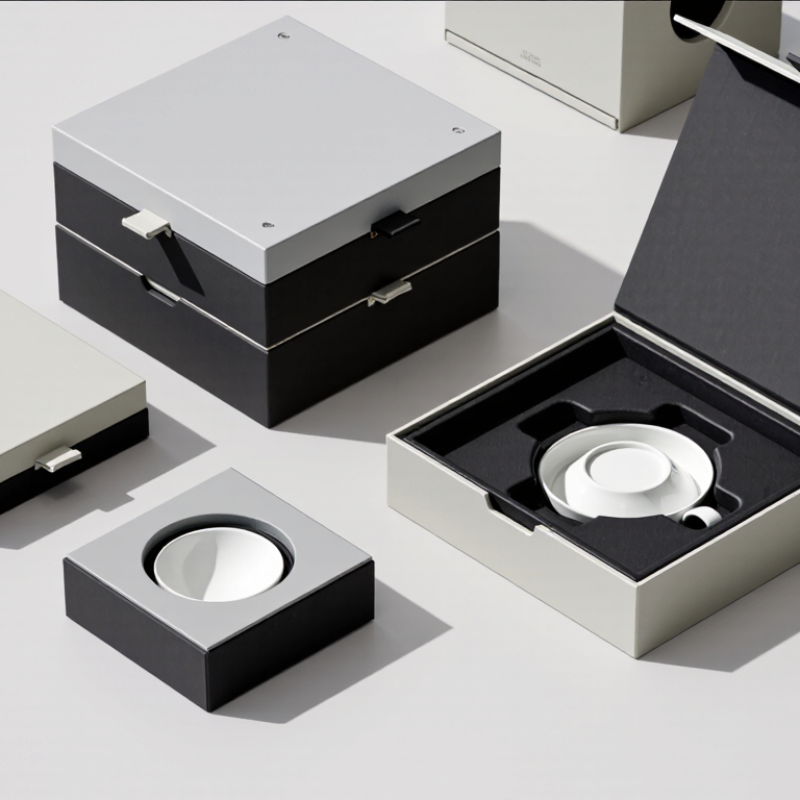
10 Tips for Choosing Magnetic Closure Boxes

Define Product Dimensions, Weight, and Protection Requirements

Before selecting a magnetic closure box, measure the product in its final packed condition. Record its length, width, and height, including handles, inserts, or removable parts. A folded garment, for example, may need more depth than its flat dimensions suggest. Small details matter. Avoid sizing the box tightly around the bare product; allow room for protective wrapping without letting the contents slide. Note the weight, too, and check whether it sits evenly or presses against one side.

Weight affects both the box board and the insert design. A magnetic flap keeps the lid closed, but it does not cushion a heavy item or strengthen weak corners. For a fragile product, specify where padding must sit and how much movement is acceptable. For shipping, consider corner impact and repeated handling; for retail display, focus on a clean fit and easy opening. Build a sample and test it with the actual packed product. A neat fit can still be wrong if the lid bows or the item shifts. Recheck your measurements after adding tissue or foam.

Specify Board Grammage in g/m² Using ISO 536

For magnetic closure boxes, specify board grammage in g/m² and refer to ISO 536. This standard measures the mass of a known area of paper or board. Grammage helps suppliers compare material specifications, but it does not tell you everything. A higher value does not automatically mean a thicker or stiffer box. Fiber type, board construction, moisture, and lamination also affect performance.

When requesting a quote, identify the grammage for each component, such as the rigid core and any paper wrap. Ask whether the stated value applies to the core board alone. Request a test report or documented specification based on ISO 536. Check that samples and production use the same stated grade. Small differences can affect how the lid sits and how the magnetic flap closes. It is easy to over-specify; an unnecessarily heavy board may add cost without improving the feel.

Tips: Compare like with like. Keep a sample. Open and close it repeatedly. Look for lid sag, crushed corners, or a flap that misses its catch. Grammage is a useful starting point, not a substitute for testing the finished box. A prototype may still surprise you.

Choose Magnet Type, Placement, and Closure Performance

A magnetic box should close with a quiet, even snap, not a hard slap. Small details matter. Neodymium magnets suit slim boxes that need a strong hold; ferrite magnets can work for larger formats where extra thickness is acceptable. Match magnet strength to the lid, wrap, and contents. An oversized magnet can make opening awkward, while a weak one may let the lid lift during handling. Place magnets symmetrically and check polarity before assembly. A small placement error can leave the lid visibly skewed.

Smithers’ The Future of Global Packaging to 2028 estimated the worldwide packaging market at about US$1.17 trillion in 2023. The report projected growth to US$1.42 trillion by 2028. That scale makes reliable packaging details worth testing, even on a small box. Test prototypes with the real insert and product: paper thickness and surface finishes can change how firmly the lid meets the base. Open and close each sample repeatedly, then check alignment, pull effort, and whether the magnets shift. Test it repeatedly. One weakness in this approach: a hand test cannot represent every shipping condition, so record results and revise the design when performance varies.

Match Inserts and Finishes to Product and Brand Needs

Tip 1 Match the insert to the product before choosing a finish. A glass bottle needs a shaped cavity that limits movement, while a fabric item may need a softer, simpler platform. Measure the product, including caps and handles, and allow room for easy removal. A tight fit can look neat but frustrate customers. Small details matter.


Tip 2 Choose finishes for both appearance and handling. A matte paper wrap can feel understated and hide fingerprints; a smooth coated surface reflects more light and may show scratches. Consider how the box will be opened, stored, and photographed. For a premium feel, test a subtle texture beside the product’s colors. The match may look different under warm shop lighting.


Tip 3 Check that the closure, insert, and finish work together. Place the actual product inside and open the box several times. Listen for rattling, inspect whether the lid stays aligned, and check that the insert does not scuff the item. Test it physically. A sample can reveal problems a screen mockup misses, though one test may not catch every production variation. If the fit feels awkward, revise it before approving the final specification.

Check Recyclability: EU Paper Packaging Reached 82.5% in 2022 (Eurostat)

In 2022, 82.5% of paper and cardboard packaging waste in the European Union was recycled, according to Eurostat. This is encouraging context when choosing a magnetic closure box. It is not a promise that every box will be recycled. Local collection rules, sorting equipment, and material condition all matter.

Ask what the box is made from. A paperboard shell with minimal coating is generally easier to sort than one covered in plastic film or heavy decorative finishes. The magnet can also complicate recovery if it is difficult to remove. Small parts matter. Request a clear material breakdown, and check whether the magnet, adhesive, and lining can be separated without damaging the paperboard. In practice, even a neat-looking box may contain mixed materials that are less obvious.

Test a sample before placing a large order. Tear a corner, inspect the layers, and ask a local recycling service how it handles that construction. A magnetic lid may need a stronger board, so there can be a real trade-off between durability and simpler material separation. I would not assume that “paper-based” means fully recyclable. Supplier information helps, but local guidance is worth checking too.

10 Tips for Choosing Magnetic Closure Boxes: Check Recyclability

EU packaging recycling rates by material, 2022

Paper and cardboard had the highest rate shown: 82.5%. When choosing a magnetic closure box, check whether its paper components can be separated from magnets, ribbons, or other materials. Recyclability depends on local collection and sorting rules.

Source: Eurostat, EU packaging waste recycling rates, 2022. Rates are rounded to one decimal place where available.

FAQS

What does ISO 536 measure for box board?

It measures the mass of a known area of paper or board, stated in g/m².

Does higher grammage always mean a stronger, thicker box?

No. Fiber type, construction, moisture, and lamination also affect stiffness and performance.

Should I specify grammage for every box component?

Yes. State the grammage for the rigid core and paper wrap separately. Ask whether each value applies to the core alone.

What documentation should I request?

Request a test report or documented specification based on ISO 536. Check that samples and production use the same grade.

How can I check whether a magnetic closure works well?

Open and close the sample repeatedly. Watch for lid sag, crushed corners, or a flap that misses its catch.

How should I choose an insert?

Measure the product, including caps and handles. A shaped cavity can limit movement; allow enough room for easy removal.

What should I consider when selecting a finish?

Matte wraps can hide fingerprints, while smooth coated surfaces reflect more light and may show scratches. Check the finish under warm lighting.

Can a digital mockup confirm the box will work?

Not fully. Put the actual product inside and test the closure, alignment, rattling, and scuffing. One sample may not catch every variation. I’d still check again.

Conclusion

Choosing Magnetic Closure Boxes starts with understanding the product they need to hold. Measure its dimensions and weight, then consider how much cushioning and structural protection it requires during storage and shipping. Specify the paperboard grammage in grams per square metre (g/m²), using ISO 536 as the measurement reference, so suppliers can assess material weight consistently. A heavier board may offer greater rigidity, but the right choice depends on the product and the overall box design.

Next, select magnets with suitable strength and decide where they should be placed to create a secure, easy-to-use closure. Match inserts and surface finishes to the product’s shape, presentation needs, and desired look. Finally, check whether the box materials and components can be recycled in the intended disposal system. Eurostat reported that 82.5% of paper packaging was recycled in the EU in 2022, highlighting the value of considering recyclability when planning packaging.

Charlotte

Charlotte

Charlotte is a highly experienced marketing professional dedicated to helping businesses communicate their value with clarity, credibility, and purpose. With a strong understanding of the company’s products, services, and customer needs, she regularly contributes expert articles to the company......