Custom Pillow Boxes are compact, curved cartons used to present small products with a tidy, gift-ready appearance. Their folded ends create the familiar pillow shape, while a flat panel can carry a logo, product details, or simple artwork. You may see them around soaps, jewelry, confectionery, accessories, and small promotional gifts. The exact fit depends on the product, board thickness, and dimensions.
They are useful when presentation matters but a large rigid box would feel excessive. A boutique might use one for a pair of earrings; a maker could package a wrapped bar of soap inside. Some designs include a window, ribbon, or printed finish. These details can help a package stand out, but they do not replace a secure closure or suitable product protection. Small details matter.
Before choosing a style, consider the item’s weight, shape, and how it will be handled. A pillow box may suit a lightweight gift, yet feel awkward for bulky or fragile contents. That limitation is easy to overlook. Ask about material specifications and request a sample when possible; printed colors and folds can look different in person. Customization also affects cost and production time, so compare options against your actual packaging needs. This guide explores common uses and practical considerations, helping you decide whether Custom Pillow Boxes fit your product, presentation, and budget.
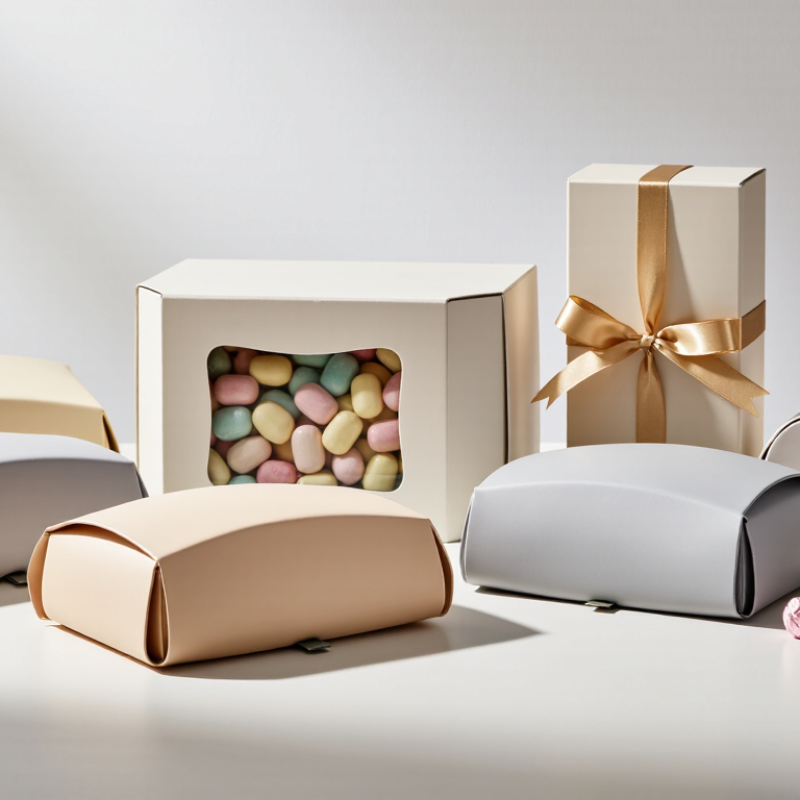
Custom pillow boxes are folding cartons with a curved, cushion-like profile and tucked end flaps. They are often made from paperboard and used for small gifts, accessories, apparel, and retail samples. Their shape creates a neat presentation without a separate lid. But sizing matters: a box that is too shallow can press against the product, while excess space lets it shift.
Design starts with the item’s dimensions, weight, and fragility. A packaging designer develops a flat dieline, then tests folds, flap depth, and board thickness with a physical sample. Small details count. Rounded edges, a thumb notch, or a ribbon slot can improve handling, but each feature may add cost or weaken the structure. Printing can include color, patterns, and product information. A glossy coating may look polished, yet coatings can affect recyclability in some local systems.
Material choices deserve careful thought. The U.S. EPA’s 2018 materials report estimates that containers and packaging generated 82.2 million tons of municipal solid waste, or 28.1% of the total. That broad figure is a useful reminder: right-sizing and avoiding unnecessary inserts matter. A pillow box is not automatically a sustainable choice; its impact depends on board sourcing, finishes, transport, and local recycling access. A simple prototype often reveals problems that a screen mock-up misses.
| Topic | Description | Typical Uses or Design Considerations |
|---|---|---|
| What a pillow box is | A pillow box is a compact package with a curved, pillow-like shape. Its curved panels fold inward to form the ends, usually with tuck-in flaps. | Often chosen for lightweight products, favors, small gifts, and retail presentation. |
| Common product uses | The shape can hold small items that fit within the box’s dimensions and weight limits. | Examples include accessories, small apparel items, stationery, confectionery, and event favors. Product fit and food-contact requirements should be checked for each use. |
| Box structure | A typical design is made from one die-cut blank with scored fold lines. The blank is folded to create the curved body and closing ends. | Designers consider the assembled dimensions, closure security, ease of folding, and whether the box needs an adhesive tab. |
| Materials | Paperboard is commonly used; the appropriate grade depends on the package size, product weight, and desired stiffness. | Uncoated, coated, and recycled-content boards may be considered. Material suitability should be confirmed for the product and intended handling conditions. |
| Printing and finish | Graphics can be printed on the outer surface, with optional finishes applied where compatible with the board and design. | Common choices include full-color printing, a matte or gloss coating, and selected decorative effects. Keep important text clear of folds and curved edges. |
| Size and fit | Custom dimensions can be developed around the product, but the curved profile affects usable interior space. | Measure the product and allow suitable clearance. A physical sample or packaging test can help confirm fit and closure performance. |
| Branding and information | The broad outer panels provide space for artwork, product details, instructions, or a message. | Plan artwork around the dieline, fold lines, and closure areas. Required product or regulatory information depends on the item and market. |
| Advantages | The distinctive shape creates a gift-ready presentation and can be assembled from a flat blank. | Useful when appearance and compact presentation matter. It is not a substitute for protective shipping packaging when extra cushioning or strength is needed. |
| Design checklist | Review the product dimensions, board choice, artwork layout, closure, and intended distribution conditions before production. | Check assembly, stacking, handling, and whether an outer mailer or protective packaging is needed for delivery. |
They work well for lightweight items such as scarves, stationery, wrapped soaps, and event favors. Small and gift-ready.
The rounded profile adds volume to a flat product and leaves space for a front label. A large bow may overwhelm a small box.
Not by themselves. Add an inner sleeve or sturdier outer package, then test the packed box for impact and movement.
Tissue paper, a paperboard sleeve, or a slim insert can help. Check that the box still closes neatly.
They can hold wrapped chocolates, cookies, or mints. Check that the board and coating suit the intended food contact.
They suit lightweight samples, sachets, and small tubes. Fragile glass usually needs extra protection.
Test the actual item inside, including its fit, closure, and movement. A box can look elegant but still be awkward to close.
Their curved sides can make packed boxes less stable than square cartons. They may also take more storage space than flat-folding boxes. Not for every item.
Custom Pillow Boxes are distinctive packages with curved sides and tucked-in flaps that create a compact, pillow-like shape. They can be designed in different sizes, colors, and finishes, with printed details or simple surfaces to suit a product’s appearance. Their curved profile offers a neat presentation while helping keep lightweight items together, and the shaped ends can be folded closed without adding a separate lid.
These boxes are commonly used for small gifts, accessories, cosmetics, confectionery, and other lightweight retail products. They appear across industries such as retail, personal care, food, and event gifting, where presentation and convenient handling matter. Choosing the right pillow box means considering the product’s size, weight, and shape, as well as how it will be displayed, transported, and opened. A well-fitted design can make the package attractive and practical while helping the item stay secure.