Choosing Custom Cosmetic Boxes for global buyers is not simply a matter of selecting attractive colors. The box must protect glass bottles, communicate brand value, and survive long-distance handling. A crushed corner, loose insert, or unreadable label can weaken customer trust within seconds.
Paul Rand, a respected design authority, said, “Design is the silent ambassador of your brand.” His words remain relevant to cosmetic packaging. A matte-black rigid box can suggest luxury, while recycled kraft board may express natural positioning. However, visual appeal cannot replace structural performance. Buyers should check board thickness, closure strength, insert accuracy, print consistency, and moisture resistance before approving a large order. Small details matter.
Global purchasing adds practical pressure. Custom Cosmetic Boxes may travel through humid ports, dry warehouses, and crowded delivery networks. Packaging should fit the product closely without making unboxing frustrating. It should also support clear product information and responsible material choices. Suppliers with documented sampling, quality inspections, and stable production records deserve closer attention. Ask for a physical prototype.
Do not trust photographs alone. They hide weak edges and uneven finishes. A useful test includes drop checks, compression checks, and several opening trials. Some choices still need reflection. A heavier box may feel premium, yet increase freight costs and material use. A cheaper option may protect less effectively. The strongest decision balances protection, presentation, sustainability, and dependable supply. That balance is rarely perfect. It must be tested, measured, and improved.
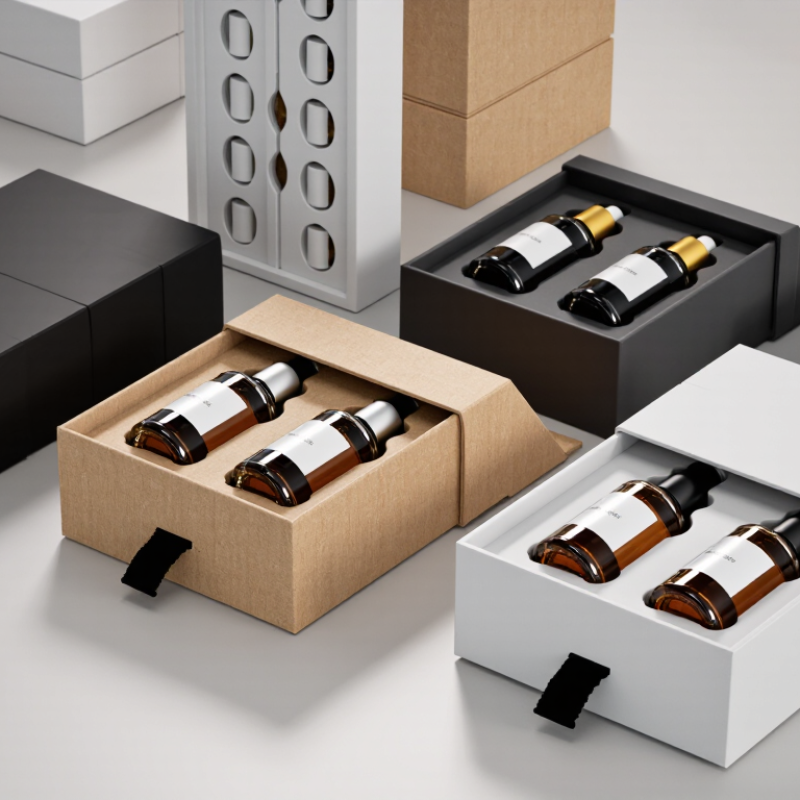
Understanding global cosmetic packaging requirements begins with the destination market. Each country may apply different rules for materials, labeling, recycling, and product information. A beautiful box can still fail at customs or retail inspection. Check current requirements with qualified local advisers before production.
From practical packaging projects, I have learned that material choice affects more than appearance. Paperboard should match product weight, humidity, and shipping distance. Water-based coatings may support recycling goals, but they can perform poorly in damp storage. This detail is often overlooked. Packaging should also leave space for ingredients, net quantity, batch details, warnings, and responsible-use information in required languages. Translation quality matters. One unclear phrase can create expensive delays.
Tips: Request material certificates, ink information, and recycling guidance from your supplier. Test the box through stacking, vibration, and temperature changes. Confirm dielines before printing. Keep a compliance file for every market. Do not assume one design fits every region. I once approved a rigid box that looked excellent, yet its tight insert slowed packing considerably. The mistake was small, but costly. Review opening, filling, storage, and disposal from a buyer’s perspective. Reliable suppliers welcome these questions and provide traceable samples, not vague promises.
How to Choose Custom Cosmetic Boxes for Global Buyers?
Defining Product, Brand, and Market-Specific Box Needs
A cosmetic box should begin with the product, not decoration. A glass serum bottle needs stronger inserts and tighter movement control. A soft cream tube may need less internal protection. Measure the container, cap, and applicator before choosing the box structure. Leave room for filling tolerance, but avoid excessive space. It increases shipping volume and can make the package feel careless.
Brand needs shape the customer’s first physical impression. A premium product may suit rigid board, precise edges, and a restrained surface finish. A daily-use product may benefit from lightweight folding cartons and clear opening instructions. Use color, texture, and typography consistently across product lines. Small details matter. A rough inner fold can weaken an otherwise polished presentation. I have seen attractive samples fail because the drawer mechanism was difficult to pull. That mistake is easy to overlook during a quick review.
Market requirements add another layer. Global buyers should confirm dimensions, material information, recycling marks, language needs, and print durability for each destination. Humid climates may require moisture-resistant coatings, while long-distance shipping demands stronger corner protection. Do not assume one box works everywhere. It may not. Request physical samples and test them with the actual product, including labels and inserts. Review the package after stacking, opening, and transport simulation. A box that looks excellent on a screen can feel different in real handling.
How to Choose Custom Cosmetic Boxes for Global Buyers?
Material selection should balance protection, presentation, and recycling practicality. Paperboard suits creams, palettes, and lightweight bottles. Corrugated board offers stronger cushioning for international delivery. Glass products need molded inserts or folded paper supports. Plastic windows may improve visibility, but they can complicate recycling. McKinsey’s 2020 packaging survey found that more than 60% of consumers would pay more for sustainable packaging. However, sustainability claims must match the actual material structure and local recycling systems.
Size affects freight cost, product safety, and shelf appearance. Measure the product, cap, applicator, and protective space separately. Leave enough clearance for movement, not excessive empty volume. The International Safe Transit Association recommends testing packaged products through vibration, shock, and compression conditions. My own packaging trials exposed a weakness: a beautiful insert can still waste space. It happens easily.
Tips: Test three sizes with real samples. Check closure strength by hand. Use paper-based cushioning where practical. For global buyers, request material specifications, recycled-content evidence, and packaging test records. Structural designs such as tuck-end, drawer, and rigid lift-off boxes create different experiences. Tuck-end boxes ship efficiently. Drawer boxes feel refined but may require more material. Rigid boxes protect well, yet their added weight can increase freight emissions and costs. A smaller, stronger box often performs better than a larger decorative one.
Select materials and structures by balancing product protection, visual quality, recyclability, and shipping efficiency. The scores below use a practical 1–5 packaging suitability scale, where 5 indicates stronger suitability for the stated criterion.
Folding cartons are lightweight and highly printable, rigid paperboard boxes provide a premium presentation, corrugated boxes offer stronger shipping protection, and molded pulp supports fiber-based sustainability goals. Final selection should also consider product weight, dimensions, moisture exposure, and destination regulations.
Choosing custom cosmetic boxes for global buyers requires more than attractive artwork.
Printing quality should match the product’s position, material, and shipping conditions. Offset printing suits detailed graphics and smooth paperboard. Digital printing works better for smaller runs or frequent design changes. Request a physical proof before production. Screens can hide color shifts.
Finishing creates touch and visual contrast. Matte coating feels soft and reduces glare, while gloss coating makes colors appear brighter. Foil stamping adds a reflective accent, but it may weaken on textured surfaces. Embossing gives depth to logos and patterns. Use it carefully. Too many finishes can make a box look crowded and increase production costs. Ask suppliers to test scuff resistance, folding performance, and color consistency.
Customization also includes structure. Consider window cutouts, molded inserts, magnetic closures, and removable trays. Each option affects protection, assembly time, and shipping weight. For international distribution, choose materials that tolerate humidity and temperature changes. Confirm that printed information, recycling marks, and material claims fit the destination market. Requirements can differ widely.
A practical lesson is simple: a beautiful sample may fail during transit. Packaging teams should test packed boxes through compression, vibration, and handling simulations. I would also leave space for small design adjustments. Perfect plans rarely survive production. A slightly simpler box may protect the product better and arrive more reliably.
Comparing Suppliers, Costs, Quality, and Shipping Solutions
Custom cosmetic boxes should protect the product and communicate quality at the shelf. Global buyers need more than attractive artwork. They need dependable suppliers, clear costs, stable quality, and predictable delivery.
Request samples before approving a large order. Compare board thickness, coating, folding accuracy, and color consistency. A low quote may exclude tooling, inner supports, inspection, or export packaging. Ask for a detailed cost sheet. Samples matter. Check whether the supplier can repeat the approved sample across multiple production batches. A factory audit, production video, or third-party inspection can reveal useful details. Still, none is perfect. Photos may hide weak edges or uneven glue.
Shipping decisions affect both budget and customer satisfaction. Confirm carton dimensions, gross weight, pallet limits, and the estimated transit time. Sea freight usually lowers unit cost but requires more planning. Air freight moves faster and costs more, especially for bulky packaging. Ask suppliers to test carton compression and moisture resistance before dispatch. Include spare units for transit damage. Small details count. Buyers should also verify packaging claims and destination-market labeling requirements with qualified local advisers. Requirements can differ by country and change over time. A supplier who answers quickly is helpful, but written specifications are more reliable than friendly promises. Leave room for revisions, because the first quotation rarely reflects the complete landed cost.
Start with the product, not decoration. Measure the container, cap, and applicator carefully. A glass serum bottle needs stronger inserts and tighter movement control. Avoid oversized boxes. They increase shipping volume and may feel careless.
Check material, labeling, recycling, language, and print rules for every destination. Requirements can vary between countries. Confirm details with qualified local advisers before production. One design may not fit every region.
Leave space for ingredients, net quantity, batch details, warnings, and responsible-use information. Use the required languages for each market. Translation quality matters. One unclear phrase can cause expensive delays.
Choose paperboard according to product weight, humidity, and shipping distance. Stronger board helps protect heavier products. Moisture-resistant coatings may help in damp climates. However, some water-based coatings perform poorly during wet storage.
Test boxes with the actual product, labels, and inserts. Use stacking, vibration, and temperature-change tests. Check corners after transport simulation. A screen image cannot show every handling problem.
Request physical samples, material certificates, ink information, and recycling guidance. Confirm dielines before printing. Keep a compliance file for each market. Reliable suppliers provide traceable samples, not vague promises.
Match the structure to the product’s daily use. Folding cartons suit lightweight items, while rigid boxes may suit premium presentations. Check opening, filling, storage, and disposal. A beautiful drawer can still be annoying to pull.
An attractive box may have a tight insert or rough inner fold. These small defects can slow packing or damage presentation. I once approved a rigid box that looked excellent, but packing became difficult. I should have tested the full process earlier.
Choosing the right Custom Cosmetic Boxes requires a clear understanding of international packaging expectations, product characteristics, brand identity, and target market preferences. Global buyers should consider whether the packaging can protect the product during handling and transportation while also presenting a professional and consistent appearance. The box material, size, shape, and structural design should match the product’s weight, dimensions, usage, and positioning. Practical features such as secure closures, easy opening, efficient storage, and sustainable material options can further improve the overall customer experience.
Printing and finishing choices should support clear product communication and a distinctive visual identity without compromising quality or functionality. Buyers should also compare suppliers based on customization capabilities, production standards, communication, minimum order quantities, pricing transparency, and quality control. In addition, shipping methods, delivery schedules, protective packing, and export experience are important factors when serving international markets. A well-planned evaluation process helps buyers select Custom Cosmetic Boxes that balance appearance, protection, cost, reliability, and long-term market suitability.