0%

Choosing Custom Chocolate Boxes for global buyers requires more than attractive printing. The package must protect chocolate during storage, handling, and international transport. A beautiful box that arrives crushed or softened has failed its purpose.

In practical sourcing work, I have seen small details create expensive problems. A weak insert can let pralines move during delivery. Thin board may bend under stacked cartons. Poorly sealed finishes can react badly in humid warehouses. Reliable buyers should review board thickness, food-contact suitability, internal dimensions, closure strength, and packing methods. Request physical samples. Test them with real chocolate, not empty mock-ups. Small tests reveal large weaknesses.

Supplier experience also matters. Ask for production photos, material specifications, quality-control records, and references from comparable markets. Confirm whether the supplier can support your required quantity, artwork format, delivery schedule, and destination packaging expectations. Sustainability deserves careful attention too. Recyclable paper is useful, but only when the complete structure remains practical and responsibly sourced. Check current requirements in each destination country with qualified local professionals, because packaging standards can differ.

No box is perfect. Cost, protection, appearance, and environmental goals may conflict. The strongest choice comes from measured trade-offs, not attractive promises. This guide explains how global buyers can compare Custom Chocolate Boxes, identify dependable suppliers, and build packaging that protects both the product and the brand. A thoughtful process reduces waste, delays, and unpleasant surprises. More importantly, it creates a consistent customer experience from factory floor to final unboxing.
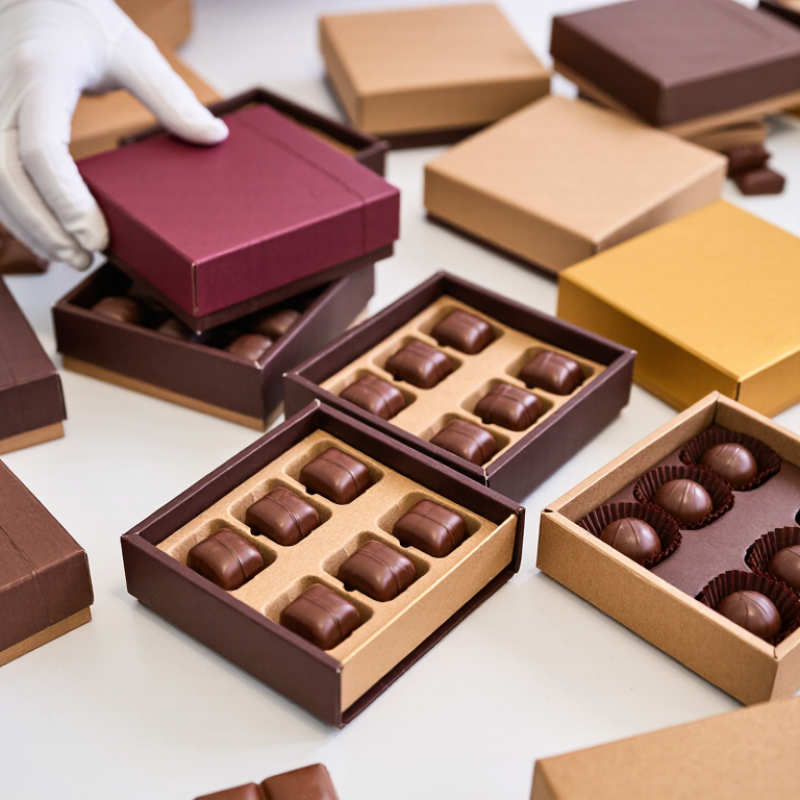
How to Choose Custom Chocolate Boxes for Global Buyers?

Define Your Chocolate Product, Audience, and Packaging Goals

Choosing custom chocolate boxes starts with the product, not the artwork. Define the chocolate first. Consider bar size, praline count, fillings, cocoa percentage, and temperature sensitivity. A filled chocolate may need inserts and stronger barriers. A simple bar may need only a snug sleeve and moisture protection. Packaging goals should also be specific: premium presentation, efficient shipping, gift appeal, or lower material use.

Your audience changes the design. Retail buyers often value shelf impact and consistent dimensions. Online shoppers may need crush resistance and easy opening. Luxury gift buyers expect texture, weight, and refined finishing.

According to NielsenIQ’s 2023 global sustainability report, 78% of consumers consider a sustainable lifestyle important.

That figure does not mean every buyer accepts a higher price. This is where packaging decisions become difficult. A beautiful rigid box can impress customers, yet create unnecessary waste.

Tips: Test the box with real chocolates, not empty samples. Check heat exposure, vibration, stacking, and opening speed. Ask buyers whether the insert feels useful or excessive. Use recyclable paper-based materials where protection allows. The Sustainable Packaging Coalition recommends designing packaging around recovery systems, but local recycling access differs widely. A material labeled recyclable may still fail in practice. Leave space for batch details, allergens, storage guidance, and multilingual information. Small omissions can damage trust.

Compare Box Materials, Sizes, Structures, and Protective Features

Choosing custom chocolate boxes for global buyers requires more than attractive printing. Material affects protection, recycling, and shipping weight. Rigid paperboard gives premium stiffness, while folding carton reduces storage volume and cost. For heat-sensitive chocolates, use food-grade inner liners and moisture-resistant coatings. Avoid oversized boxes; empty space allows pieces to move and increases freight emissions.

Size should follow the chocolate count, cavity shape, and delivery route. A snug insert can prevent scuffs, broken corners, and melted pieces from touching. For export shipments, consider double-wall cartons, corner reinforcement, and insulated liners where temperatures require them. The International Trade Centre reports that packaging can influence product damage rates significantly across long supply chains, although results vary by product and route. McKinsey’s 2023 sustainable packaging research also found that 60–70% of consumers may pay more for sustainable packaging. That preference is useful, but protection still comes first.

Tips: Test the box with real samples. Shake it gently. Stack filled cartons for 24 hours. Check compression, humidity, and temperature exposure. Recycled paperboard can perform well, but weak inserts may cancel its environmental benefit. I have seen elegant boxes fail because the lid loosened during transit. That mistake deserves review. Keep structure simple, dimensions precise, and protective features measurable. Cite supplier test reports, food-contact documentation, and packaging trials before approving mass production.

How to Choose Custom Chocolate Boxes for Global Buyers? - Compare Box Materials, Sizes, Structures, and Protective Features

Box Option Recommended Material Typical Size Range Structure Protective Features Best Chocolate Format Shipping Suitability Sustainability Notes
Entry-Level Folding Carton 250–350 gsm folding boxboard 90 × 60 × 25 mm to 180 × 120 × 40 mm One-piece tuck-end carton with glued side seam Paperboard divider, snug fit, optional inner wrap or food-safe tray Chocolate bars, napolitains, small tablets Suitable for standard parcel shipping when packed in an outer carton Widely recyclable where paperboard recycling is available; avoid excessive lamination
Premium Rigid Shoulder Box 1.5–2.5 mm paperboard wrapped with printed paper 120 × 90 × 35 mm to 240 × 180 × 60 mm Two-piece base and lid with raised shoulder construction Rigid walls, fitted insert, corner reinforcement, optional magnetic closure Gift assortments, pralines, premium bars Good crush resistance for international parcel distribution Paper-based construction can be recycled if metal parts, foam, and plastic are minimized
Book-Style Magnetic Box 1.5–2.0 mm rigid board with coated or uncoated paper wrap 160 × 120 × 45 mm to 300 × 220 × 80 mm Hinged lid with concealed or visible magnetic closure Fitted pulp or paper insert, lid restraint, protective tissue, optional tamper seal Luxury gift sets and multi-piece collections Good for parcel shipping; use an additional shipper carton for long-distance routes Magnets may require separation during recycling; paper wraps are preferable to plastic film
Window Display Box 300–400 gsm paperboard with cellulose or PET window 100 × 70 × 35 mm to 220 × 160 × 55 mm Tuck-end or auto-lock carton with die-cut viewing panel Internal tray, anti-scuff coating, reinforced front panel, sealed inner wrapper Truffles, molded chocolates, decorated bonbons Suitable for domestic and short international distribution; add cushioning for air freight Cellulose windows are compostable only under suitable conditions; PET windows are typically easier to identify and recycle
Drawer-Style Box 1.2–2.0 mm rigid board with paper sleeve 140 × 90 × 35 mm to 260 × 180 × 65 mm Sliding drawer with outer sleeve and pull ribbon or finger notch Close-fitting sleeve, molded insert, anti-movement paper pads Pralines, truffles, chocolate squares Good protection when the sleeve is accurately fitted and the box is placed in an outer carton Mostly paper-based; ribbon and coatings should be selected according to local recycling rules
Eco Kraft Box 300–400 gsm kraft paperboard or recycled fiberboard 90 × 60 × 30 mm to 220 × 150 × 55 mm Reverse-tuck, lock-bottom, or auto-lock carton Locking base, paper divider, grease-resistant inner paper, optional corrugated sleeve Bars, bark chocolate, small assortments Moderate protection; use a protective mailer for global e-commerce orders High recycled content is possible; verify food-contact suitability and ink migration requirements
Multi-Compartment Assortment Box 350–450 gsm paperboard or 1.5–2.0 mm rigid board 180 × 120 × 40 mm to 320 × 240 × 70 mm Box with die-cut grid, removable tray, or individually formed cavities Separate cavities, anti-rattle fit, vertical dividers, moisture-resistant inner liner Mixed pralines, filled chocolates, tasting collections Very suitable for long-distance handling when cavities prevent product movement Paperboard grids are preferable to molded plastic; use food-safe, recyclable inserts where practical
Temperature-Sensitive Shipping Kit Corrugated outer carton with insulated paper or foam liner Outer carton commonly 200 × 150 × 100 mm to 400 × 300 × 200 mm Inner chocolate box placed inside an insulated shipper with coolant compartment Thermal liner, gel packs, void fill, leak-resistant coolant pouch, handling label Filled chocolates and products shipped during warm seasons Best option for extended routes or climates above the product’s recommended storage range Paper insulation is easier to recover than foam; coolant packs should be removable and separately managed
Selection Guide: Choose the box size according to the product dimensions plus insert clearance, use rigid structures for premium assortments, and add an insulated shipping system whenever temperature exposure may exceed the chocolate’s storage requirements.

Check Food Safety, Labeling, and Import Requirements by Market

How to Choose Custom Chocolate Boxes for Global Buyers?

A custom chocolate box must protect food before it impresses shoppers. WHO estimates that 600 million people suffer foodborne illnesses annually, with 420,000 deaths reported worldwide. Source: WHO, Estimates of the Global Burden of Foodborne Diseases. Choose food-contact paperboard, certified inks, and adhesives suitable for direct or indirect contact. Test for mineral oil, heavy metals, and unwanted migration. Glossy finishes can look premium, but they may complicate recycling or compliance.

Labels change by market. The Codex General Standard for the Labelling of Prepackaged Foods provides an international reference, but local rules still control imports. European Union packaging generally needs ingredient lists, highlighted allergens, nutrition declarations, net quantity, date marking, and responsible-operator details. United States labels require Nutrition Facts and major allergen declarations, including sesame under current federal rules. Canada, Australia, and Gulf markets may require bilingual text, local importer information, or different date formats. Small errors matter.

Import checks also examine invoices, certificates, origin details, and tariff classification. Chocolate products commonly fall under HS heading 1806, but the exact code depends on composition. Ask the importer to confirm it. In packaging audits, I have seen beautiful boxes fail because the inner coating lacked documentation. That is an expensive lesson. Build a market checklist before printing. Leave space for regulatory stickers. Perfection is unlikely. Traceable records are more useful.

Evaluate Customization, Sustainability, Costs, and Minimum Orders

How to Choose Custom Chocolate Boxes for Global Buyers?

Custom chocolate boxes should protect delicate pieces and communicate quality before opening. In packaging projects, I have found that structure matters more than decoration. Test the box with actual chocolate sizes, inserts, and shipping conditions. A tight fit reduces movement, but excessive inserts increase material use and cost. Consider matte or gloss finishes carefully. Some finishes show fingerprints easily.

Sustainability needs evidence, not attractive wording. Ask suppliers about recycled content, responsible paper sourcing, water-based inks, and recyclable coatings. Confirm whether every component, including windows, ribbons, and inserts, fits your target market’s waste systems. Food-contact safety also requires documented material information. A common mistake is choosing a compostable coating without checking local processing facilities. The claim may sound better than the real result. Review samples, certificates, and test reports before approving production.

Tips: Request three quotations with identical specifications. Compare unit price, tooling, freight, and setup charges. Ask for a written minimum order quantity and reorder price. Low MOQs can help seasonal launches, but they often cost more per box. Higher MOQs may reduce pricing while creating storage pressure. Leave room for design changes. A small pilot order can reveal weak magnets, crushed corners, or inaccurate colors before a large commitment. Use a clear approval sheet with dimensions, materials, artwork, tolerances, and delivery dates. Mistakes still happen. Good documentation makes them easier to identify and correct.

How to Choose Custom Chocolate Boxes for Global Buyers

A practical evaluation model comparing the four factors that most directly affect international custom packaging decisions.

The scores use a 1–5 planning scale: 5 indicates the factor should receive the highest attention during supplier evaluation. Customization and sustainability influence brand presentation and compliance, while costs and minimum order quantities determine commercial feasibility.

Select a Reliable Supplier and Confirm Samples Before Production

How to Choose Custom Chocolate Boxes for Global Buyers?

Selecting a reliable supplier requires more than comparing prices. Check production experience, material knowledge, quality controls, and export communication. Ask for factory photos, relevant certificates, material specifications, and previous packaging samples. A dependable supplier should explain paper thickness, coating options, insert design, and expected production limits clearly.

Communication matters greatly. Request a written quotation showing dimensions, printing methods, minimum order quantity, lead time, packing method, and shipping terms. Confirm that all materials are suitable for direct or indirect food contact. Do not rely on attractive catalog images alone. Ask how the supplier handles color differences, damaged units, and late deliveries. Their answers reveal operational maturity.

Samples must be approved before production begins. Request a structural sample first, then review the printed version under natural and indoor light. Test the box with real chocolate, especially heavier assortments or individually wrapped pieces. Check the lid fit, magnetic closure, insert stability, surface scratches, and resistance to moisture. A small transit test can expose weak corners.

Keep a signed sample or detailed approval record. Minor differences may still appear during mass production. That reality deserves honest discussion. One overlooked detail, such as a tight insert, can damage delicate chocolates. Revise the design when necessary, even after initial approval. A cheaper box is not a better choice if it creates waste, complaints, or fragile deliveries.

FAQS

Which material is suitable for custom chocolate boxes?

Rigid paperboard offers strong stiffness and a premium feel. Folding carton saves storage space and shipping cost. Use food-grade liners for heat-sensitive chocolate.

How should box size be selected?

Match the box to the chocolate count, cavity shape, and delivery route. Avoid large empty spaces. Loose pieces can shift, break, or touch melted chocolate.

What protective features help during export shipping?

Consider snug inserts, double-wall cartons, corner reinforcement, and insulated liners. Choose features according to temperature and handling risks. More protection is not always better.

How can packaging performance be tested?

Test boxes with real chocolate samples. Shake them gently. Stack filled cartons for 24 hours. Check compression, humidity, temperature exposure, and lid strength.

What food-safety documents should buyers request?

Request food-contact documentation for paperboard, coatings, inks, and adhesives. Ask for migration, mineral oil, and heavy-metal test results. Missing records can delay approval.

What labeling details may differ between markets?

Labels may require ingredients, allergens, nutrition information, net quantity, dates, and responsible-operator details. Some markets also require bilingual text or local importer information.

How should sustainability claims be checked?

Ask about recycled content, paper sourcing, water-based inks, and recyclable coatings. Check every component, including windows, ribbons, and inserts. A green claim can still fail locally.

How can buyers control costs and minimum-order risks?

Compare three quotations with identical specifications. Include tooling, freight, setup charges, and reorder pricing. A small pilot order can expose weak magnets, crushed corners, or color errors. Mistakes happen. Good records help.

Conclusion

Choosing the right Custom Chocolate Boxes starts with a clear understanding of your chocolate products, target customers, sales channels, and packaging goals. Consider whether the box needs to present premium gifts, protect delicate pieces, support shipping, or improve shelf appeal. Compare materials such as paperboard, corrugated board, and rigid board, while selecting suitable sizes, structures, inserts, closures, and protective features to keep chocolates secure and attractive during handling and transport.

Global buyers should also review food-contact safety, labeling rules, recycling requirements, and import standards in each target market. Balance customization options, sustainability, production costs, printing methods, and minimum order quantities to match your budget and business scale. Finally, assess suppliers through their experience, communication, quality controls, and production capabilities. Request accurate samples, verify dimensions and materials, test protection and presentation, and confirm all specifications before approving mass production. This careful process helps ensure the packaging is safe, practical, appealing, and suitable for international distribution.

Charlotte

Charlotte

Charlotte is a highly experienced marketing professional dedicated to helping businesses communicate their value with clarity, credibility, and purpose. With a strong understanding of the company’s products, services, and customer needs, she regularly contributes expert articles to the company......