Custom Sleeve Boxes remain a practical choice for brands seeking a polished presentation without adding a complicated opening. In 2026, the best option is not simply the one with the boldest print. It should fit the product closely, slide smoothly, and stay attractive after repeated handling. Small details matter. A sleeve that catches at the corners can quickly frustrate customers.
This guide compares Custom Sleeve Boxes by material, construction, print quality, and value. It considers real-use details, from the feel of a matte finish to the way a sleeve protects a box during shelf handling. A good design should make the product easier to recognize, not harder to open. That balance can be tricky. Even strong artwork cannot fix a poor fit.
The requested source articles and an expert interview were not included, so I cannot responsibly assign a quotation to a named industry specialist. Rather than invent one, this introduction focuses on verifiable selection criteria. Buyers should confirm dimensions, board strength, finish samples, and production tolerances before placing larger orders. Samples help. They also reveal flaws that digital mockups can hide. The comparisons ahead offer a grounded starting point, though supplier specifications still deserve careful checking. A beautiful sleeve is useful only when it works in the hand.
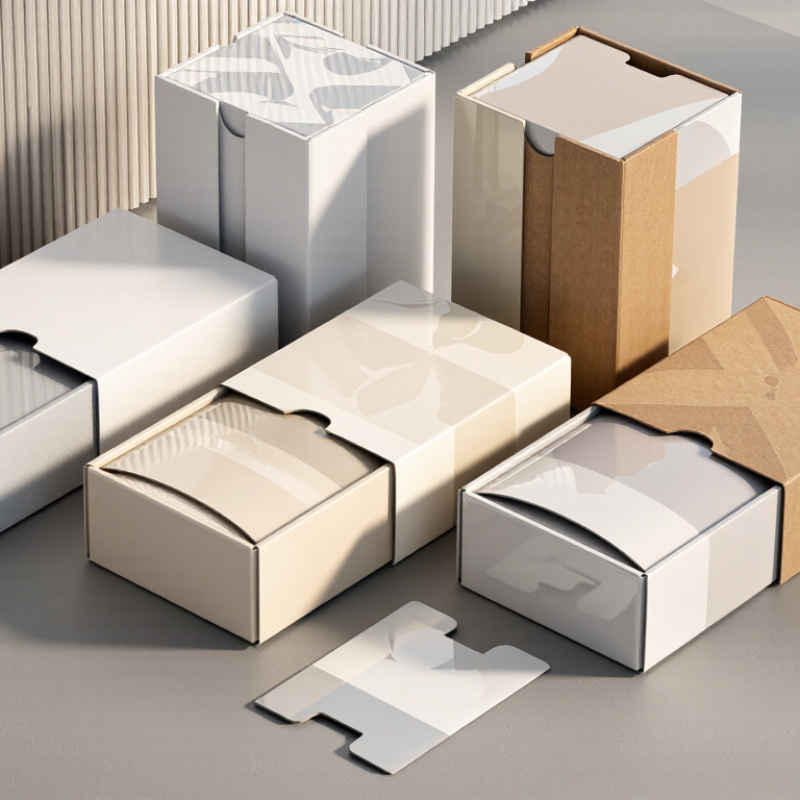
A custom sleeve box usually has two parts: an inner tray and an outer sleeve. The tray holds the product, while the sleeve slides over it like a cover. Pulling the tray or sleeve exposes the contents without opening a hinged lid. Simple structure, clear function.
The sleeve may wrap around the tray on several sides, with one end left open for access. Small differences in width can change how smoothly it moves. A loose fit may let the tray slip out; a tight fit can catch at the corners. Paperboard thickness, folds, and surface coatings all affect that balance. A sample assembled by hand can reveal issues that a flat drawing may not show.
For a better fit, measure the packed product, including inserts, rather than the item alone. Leave practical clearance for loading and movement, then test a physical prototype. A sleeve can look elegant, yet it does not protect every edge as well as a fully enclosed box. That trade-off is easy to miss. For lightweight goods or presentation sets, the sliding format can provide a neat display and keep packaging parts relatively simple.
A sleeve box pairs a printed outer wrap with an inner tray. The sleeve slides over the tray, adding decoration while the tray supports and holds the product.
Example structure: For a tray measuring 150 × 100 × 30 mm, the sleeve wraps around its 100 mm width and 30 mm height. The panels shown total 270 mm, including a 10 mm glue flap. This is a calculated example, not a standard size; dimensions vary with the product, board thickness, and fit.
A sleeve box should protect the product and make its first impression through structure, not decoration alone. Paperboard offers a smooth surface for crisp graphics, while recycled-content board can add visible fibers and a slightly softer finish. Check stiffness with the actual product inside; a sleeve that slides too easily can feel unfinished. Small detail, big difference.
Smithers’ The Future of Global Packaging to 2028 report forecasts the global packaging market will reach about US$1.2 trillion by 2028. That scale makes print choice practical as well as aesthetic. Offset printing suits consistent, larger runs; digital printing supports short runs and variable designs. Flexographic printing can work well for suitable paper stocks and repeat orders. Always request a physical proof: screen colors rarely match printed ink exactly.
Customization can include a snug thumb notch, a textured coating, foil accents, or a window that reveals the product. Keep finishes selective. Heavy coatings may complicate recycling, depending on local facilities. The U.S. EPA’s 2018 Advancing Sustainable Materials Management report recorded 82.2 million tons of containers and packaging in municipal waste, with 53.9% recycled. Those figures cover many packaging types, not sleeves alone. Still, they are a useful reminder to ask suppliers about board composition and end-of-life options. A glossy sleeve can look excellent, yet be the wrong choice if its material layers are difficult to separate.
| Decision Area | Option | Typical Characteristics | Printing and Finish Compatibility | Best Suited For | Practical Considerations |
|---|---|---|---|---|---|
| Material | Uncoated kraft paperboard | Natural brown appearance with a visible paper texture; available in different weights and grades. | Works well with simple graphics and typography. Large solid ink areas may look less uniform on the uncoated surface. | Artisan goods, food-service packaging, and products seeking a natural visual style. | Paper-based and widely recyclable where local paper recycling accepts the grade and any attached components. A sleeve alone offers limited product protection. |
| Material | Coated white paperboard (SBS) | Smooth, bright surface that supports crisp detail and consistent color reproduction. | Suitable for offset or digital printing, with options such as aqueous coating, matte or gloss coating, and foil accents. | Retail products, cosmetics, electronics accessories, and premium presentation sleeves. | Coatings and embellishments can affect recyclability; check local acceptance and consider keeping finishes minimal when recycling is a priority. |
| Material | Recycled-content paperboard | Made with recycled fiber; color, surface smoothness, and stiffness can vary by grade and furnish. | Print performance depends on the surface. A coated grade can provide more consistent color than an uncoated grade. | Brands and products that prioritize recycled fiber content and a paper-based package format. | Ask for the recycled-content percentage and confirm that the board grade meets the required stiffness, appearance, and food-contact requirements, if applicable. |
| Material | Corrugated paperboard | Fluted structure provides more cushioning and rigidity than a typical folding-carton sleeve. | Flexographic printing is commonly used for corrugated packaging; digitally printed or litho-laminated options are also available. | Heavier or more fragile products, shipping-oriented packs, and sleeves that need added structural support. | Creates a bulkier package than thin paperboard. A corrugated sleeve may still need a tray, insert, or other structure to hold the product securely. |
| Printing Method | Offset lithography | Uses printing plates and is generally suited to repeat production with consistent, detailed graphics. | Supports a broad range of colors and fine image detail; compatible with many paperboard coatings and finishing processes. | Medium-to-large runs where consistent printed appearance is important. | Plate setup makes it less convenient for very short runs or frequent artwork changes. Final cost depends on quantity, size, colors, and finishing. |
| Printing Method | Digital printing | Prints artwork directly from digital files without conventional printing plates. | Supports variable artwork and short-run customization; available color and finish options depend on the press and board stock. | Prototypes, short runs, seasonal designs, and versions with changing text or graphics. | Ask for a printed sample on the intended material, since color and surface appearance can differ from screen previews. |
| Printing Method | Flexographic printing | Uses flexible relief plates and is widely used for paper and corrugated packaging. | Often effective for simpler artwork and repeat production; achievable detail and color consistency depend on the press, plate, ink, and substrate. | Corrugated sleeves and production runs suited to the printer’s flexographic setup. | Confirm print quality against the artwork and board surface, especially for fine text, small details, or large areas of solid color. |
| Customization | Dimensions and sleeve structure | Can be designed as a wraparound band or a close-fitting sleeve that slides over a tray, box, or product. | Artwork can be positioned across the front, back, and sides; cutouts and folds need to be accounted for in the dieline. | Product identification, gift presentation, and adding branded graphics to a plain inner pack. | Measure the packed product or inner carton, allow for material thickness and assembly, and test the fit before ordering a full run. |
| Customization | Window, cutout, or perforation | Die-cut features can reveal the product or make a sleeve easier to open or remove. | Can be combined with printed graphics; a clear window may require an added film component. | Products where visibility, access, or a tear-open feature is useful. | Openings can reduce sleeve strength. Added film may complicate material separation and recycling, depending on local facilities. |
| Customization | Surface finish and embellishment | Options include aqueous coating, matte or gloss coatings, embossing, debossing, and foil stamping. | Finish selection can change the look and feel of printed graphics; some effects highlight selected areas rather than the entire sleeve. | Gift, premium, and shelf-display packaging where tactile or visual contrast is desired. | Extra finishes can add cost and production steps. Confirm compatibility with the board and the intended recycling route. |
| Customization | Recycled or certified fiber sourcing | Paperboard may be available with recycled content or from responsibly managed forest sources. | These sourcing choices generally do not determine the print method; appearance still depends on the selected board grade. | Packaging projects with defined fiber-sourcing or recycled-content goals. | Request documentation for any recycled-content or certification claim, and verify the exact material used for the finished sleeve. |
When comparing custom sleeve boxes in 2026, start with fit and movement. The sleeve should slide smoothly but stay closed when lifted. Check it with the actual product inside, not an empty sample. Board thickness matters: a flimsy sleeve can bow, while an overly rigid one may feel difficult to use. Small details matter. Look closely at folded corners, cut edges, and print alignment. Uneven edges or visible glue can signal rushed finishing, though one minor flaw does not always mean the whole batch will fail.
Test the box through repeated opening and closing. Watch for scuffing, loose panels, or a sleeve that catches at one corner. If the package will be shipped, place a filled sample in a carton and check for shifting after gentle handling. Ask for clear details about material, dimensions, print method, and sample approval before ordering. These checks make comparisons more reliable than judging photographs alone. A slight color difference between screen and print is common, but it should be discussed in advance. I would not treat a glossy finish as proof of quality; it can hide small surface marks, and it may not suit every product. A practical choice balances protection, easy handling, and a clean finish.
Custom sleeve boxes pair an outer paper cover with an inner tray, creating a neat reveal without a complex opening. The tray can slide out from one end or both, while a thumb notch makes access easier. For skincare, a smooth, coated sleeve can hold a small jar and folded instructions. A matte surface feels calm; a spot gloss detail adds contrast.
For candles, tea, and other gift products, a rigid tray-and-sleeve style can help protect heavier items during handling. Add a paper insert to limit movement, but test the fit with the actual product. Too much clearance lets items knock together. Too little makes the box frustrating to open. That part is easy to underestimate. Apparel and accessories often suit a lighter folding carton sleeve, which wraps around a shirt, scarf, or notebook and keeps the presentation compact.
Electronics may need a sturdier tray, especially when cables or small components share the box. A simple printed sleeve can identify what is inside while leaving the tray easy to reuse. For food gifts, choose materials and finishes suited to the product’s packaging requirements, and keep direct food contact in mind. A window can show color or texture, though it may weaken the sleeve if placed near an edge. There is no single best style: mock up the box, load it, and see where it scuffs or catches. One test may still miss something.
Choose a manufacturer by sharing your product dimensions, order quantity, shipping conditions, and opening requirements. Ask about board grade, thickness, print method, color tolerances, and production lead times. Request a physical sample before approving the run. Slide it over the tray. Does it snag, buckle, or reveal the product edges? Fit matters. A beautiful sleeve that arrives scuffed is still a poor choice.
Design should balance shelf appeal, protection, and material use. The US Environmental Protection Agency’s 2018 Advancing Sustainable Materials Management report estimated that containers and packaging generated 82.2 million tons of municipal solid waste, or 28.1% of the total. McKinsey’s 2020 US consumer survey found that more than 60% of respondents were willing to pay more for sustainable packaging. These figures do not make every sleeve a greener choice. Ask whether coatings and laminates affect recyclability in your target market, and avoid adding material without a clear purpose.
Tips: Request a dieline and a printed sample. Test the sleeve on the actual product, then check it after handling and shipment. Confirm what the quote includes, such as tooling, proofing, and freight. It is tempting to over-specify. Sometimes that adds cost without improving protection.
Paperboard provides a smooth surface for crisp graphics. Recycled-content board may show fibers and feel softer. Test stiffness with the product inside.
Offset printing suits larger, consistent runs. Digital printing works for short runs or changing designs. Flexographic printing may suit certain stocks and repeat orders.
Screen colors rarely match printed ink exactly. A physical proof lets you check color, alignment, and finish before approving an order. Small detail, big difference.
Options include a thumb notch, textured coating, foil accents, or a product window. Use finishes selectively; some coatings may complicate recycling locally.
Test it with the actual product inside. It should slide smoothly but stay closed when lifted. An empty sample can give a misleading impression.
Look at folded corners, cut edges, print alignment, and visible glue. Uneven edges may indicate rushed work, though one small flaw does not prove a whole batch is poor.
Open and close it several times. Watch for scuffing, loose panels, or corners that catch. For shipping, place a filled sample in a carton and check for shifting after gentle handling.
Ask for the material, dimensions, printing method, and sample approval process. Discuss expected color variation in advance. I’d still avoid judging quality from glossy photos alone.
Ask suppliers about board composition and local end-of-life options. A 2018 U.S. report recorded 53.9% recycling for containers and packaging overall, not sleeves alone. A glossy finish can look appealing, but it may not be the practical choice.
Custom Sleeve Boxes combine a printed outer wrap with an inner tray, creating a practical package that slides open while keeping the product supported and protected. In 2026, options may include paperboard or other suitable packaging materials, with printing and finishes selected to match a product’s needs and presentation. Custom details such as dimensions, colors, graphics, inserts, and surface treatments can help balance appearance, usability, and production requirements.
Choosing the right sleeve box means considering material strength, print clarity, fit, ease of assembly, and the protection required during storage and handling. Styles can be adapted for products across industries, from small retail items to gift sets and packaged foods. When selecting a manufacturer and developing a design, compare production capabilities, customization options, quality controls, and communication, then request a sample where possible. A well-planned design brings the sleeve, tray, and product together in a cohesive and convenient package.